THE ADVENTURE COLLECTIVE® · Independent discovery and booking for outdoor travel

A long day from Tbilisi that cuts across borders into the Debed Canyon to visit three UNESCO-listed monasteries. Expect dramatic cliffside architecture, medieval frescoes, and possible border delays—plus practical tips to make the most of the itinerary.
A long day from Tbilisi that cuts across borders into the Debed Canyon to visit three UNESCO-listed monasteries. Expect dramatic cliffside architecture, medieval frescoes, and possible border delays—plus practical tips to make the most of the itinerary.
The bus hums away from Tbilisi at dawn and the road narrows as the Debed River begins to push through steep limestone walls, daring you to look away. By midmorning you’re standing before weathered basalt and carved stone: churches whose walls hold frescoes that glow like old film, bell towers that have watched village life for a thousand years, and a canyon that channels wind and memory in equal measure.
Verified experiences and guided adventures in the surrounding area.
Operated by Friendly.ge: Transfers & Tours in Georgia · Alaverdi, Lori Province
The bus hums away from Tbilisi at dawn and the road narrows as the Debed River begins to push through steep limestone walls, daring you to look away. By midmorning you’re standing before weathered basalt and carved stone: churches whose walls hold frescoes that glow like old film, bell towers that have watched village life for a thousand years, and a canyon that channels wind and memory in equal measure.
These sites—Akhtala, Haghpat and Sanahin—date mainly from the 10th to 13th centuries and sit in Armenia’s Lori Province, an area shaped by the folding of the Lesser Caucasus and centuries of trade and pilgrimage. Haghpat and Sanahin are UNESCO-listed for their distinctive medieval Armenian architecture and scriptoria culture; Akhtala is known for rare interior frescoes and fortified walls. Local life still circles around bread ovens, small khachkar carvings and copper-industry towns like Alaverdi.
Plan for a long, full day: border formalities between Georgia and Armenia can add up to hours, so bring patience and a printed passport copy. Wear sturdy shoes—some monastery grounds are uneven—and a light layer for canyon winds. Carry water, small local currency for donations and snacks, and a camera with spare batteries; interior frescoes can be dim, and flash is discouraged.
Expect easy walking between viewpoints but short steep sections and uneven steps inside complexes. Guides add depth: they’ll point out inscriptions, explain Bagratid-era patronage, and recommend where to try regional flatbread and cheese. By late afternoon the road back lets the landscape exhale; the monasteries stay, silent and watchful, as the canyon keeps telling its slow, stone story.
moderate.
8–10 hours.
Suitable for travelers in average fitness; requires standing and short walks on uneven ground throughout the day.
It depends on your nationality; many travelers can use an e-visa—check requirements and obtain any necessary visa before departure to reduce wait times.
This tour description lists sightseeing and guide service; verify with the operator whether individual site entrance fees or donations are included.
Crossing times vary—anywhere from 20 minutes to several hours during peak periods or weekends; build extra time into your schedule.
Monastery sites have uneven terrain and stone steps; visitors with serious mobility issues may find some areas inaccessible—consult the operator before booking.
Haghpat and Sanahin date to the 10th–13th centuries and reflect a flowering of Armenian ecclesiastical architecture and manuscript culture under Bagratid patronage; both were inscribed as UNESCO sites in 1996.
Sites are vulnerable to visitor impact and weathering—follow paths, avoid touching carved stones and respect local signage; supporting small local businesses helps sustain communities that care for these monuments.
Friendly.ge: Transfers & Tours in Georgia operates guided outdoor trips and adventures with an emphasis on safety, stewardship, and memorable experiences.


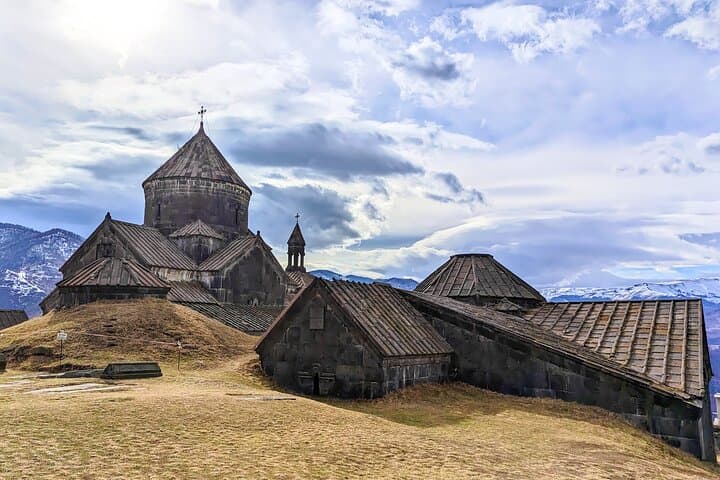
The bus hums away from Tbilisi at dawn and the road narrows as the Debed River begins to push through steep limestone walls, daring you to look away. By midmorning you’re standing before weathered basalt and carved stone: churches whose walls hold frescoes that glow like old film, bell towers that have watched village life for a thousand years, and a canyon that channels wind and memory in equal measure.
The bus hums away from Tbilisi at dawn and the road narrows as the Debed River begins to push through steep limestone walls, daring you to look away. By midmorning you’re standing before weathered basalt and carved stone: churches whose walls hold frescoes that glow like old film, bell towers that have watched village life for a thousand years, and a canyon that channels wind and memory in equal measure.
These sites—Akhtala, Haghpat and Sanahin—date mainly from the 10th to 13th centuries and sit in Armenia’s Lori Province, an area shaped by the folding of the Lesser Caucasus and centuries of trade and pilgrimage. Haghpat and Sanahin are UNESCO-listed for their distinctive medieval Armenian architecture and scriptoria culture; Akhtala is known for rare interior frescoes and fortified walls. Local life still circles around bread ovens, small khachkar carvings and copper-industry towns like Alaverdi.
Plan for a long, full day: border formalities between Georgia and Armenia can add up to hours, so bring patience and a printed passport copy. Wear sturdy shoes—some monastery grounds are uneven—and a light layer for canyon winds. Carry water, small local currency for donations and snacks, and a camera with spare batteries; interior frescoes can be dim, and flash is discouraged.
Expect easy walking between viewpoints but short steep sections and uneven steps inside complexes. Guides add depth: they’ll point out inscriptions, explain Bagratid-era patronage, and recommend where to try regional flatbread and cheese. By late afternoon the road back lets the landscape exhale; the monasteries stay, silent and watchful, as the canyon keeps telling its slow, stone story.