THE ADVENTURE COLLECTIVE® · Independent discovery and booking for outdoor travel

Trace a remote corner of Vietnam across limestone passes, transnational waterfalls and Ba Be’s forested lake. This four-day loop pairs cultural homestays with cave passages and river views—ideal for travelers who want landscape, history and straightforward logistics.
Trace a remote corner of Vietnam across limestone passes, transnational waterfalls and Ba Be’s forested lake. This four-day loop pairs cultural homestays with cave passages and river views—ideal for travelers who want landscape, history and straightforward logistics.
A morning mist lifts off a wide river and the first tiers of Ban Gioc reveal themselves—white sheets of water spilling along the China–Vietnam border, carving grooves into the limestone. On this four-day circuit from Hanoi you travel that ribbon of karst country: high passes that bend like pages, caves that hold cool, mineral air, and a ribbon of lake water punctuated by stilt houses.
Verified experiences and guided adventures in the surrounding area.
Operated by Authentic Travel VIETNAM · Cao Bang, Cao Bang Province
A morning mist lifts off a wide river and the first tiers of Ban Gioc reveal themselves—white sheets of water spilling along the China–Vietnam border, carving grooves into the limestone. On this four-day circuit from Hanoi you travel that ribbon of karst country: high passes that bend like pages, caves that hold cool, mineral air, and a ribbon of lake water punctuated by stilt houses.
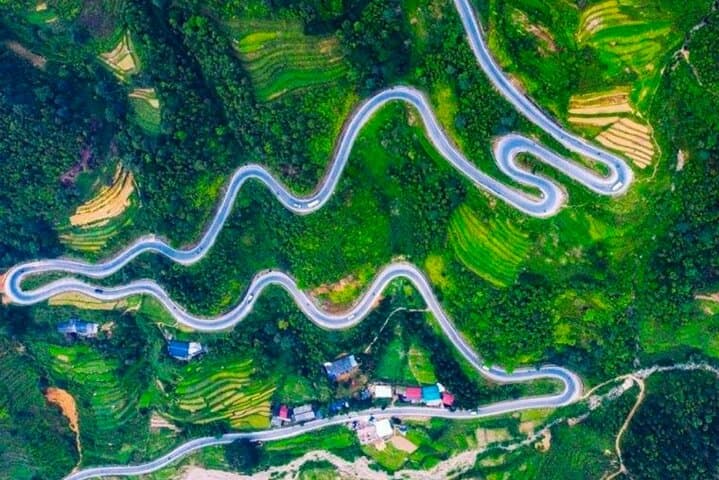
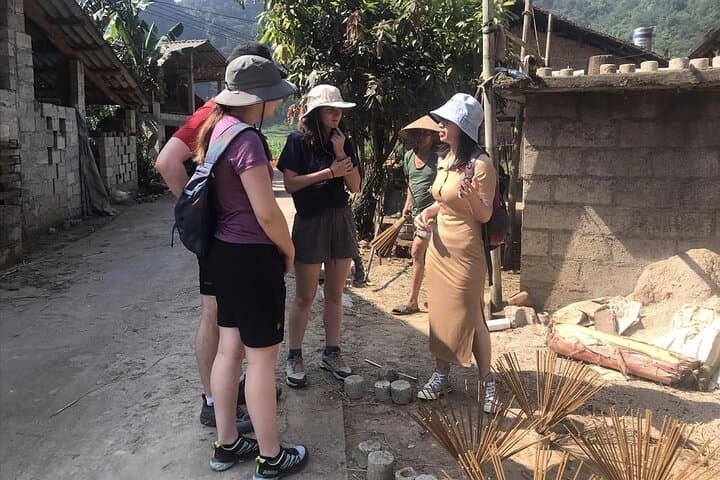
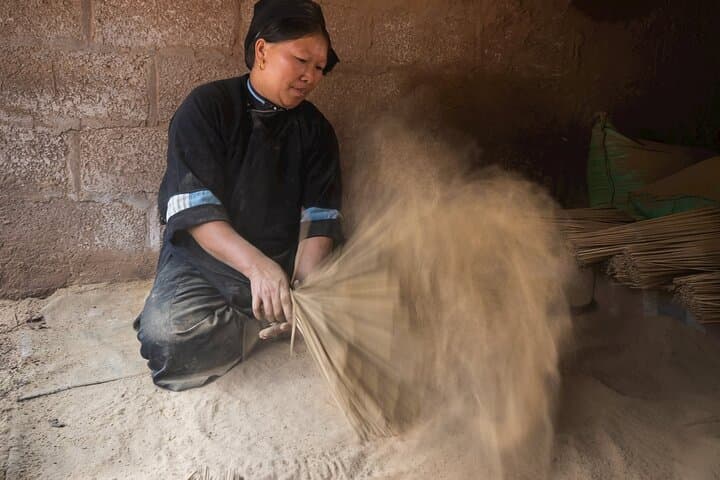
The route threads through Pac Bo, where Ho Chi Minh returned in 1941, past Ma Phuc Pass’s 3.5 km switchback ridge and across Phong Nặm valley—Tày and H’mông villages rooted in rice terraces. Geologically the region is classic karst: folded limestone towers, underground streams and show caves such as Ngườm Ngao (over 2 km of passages). Culturally, homestays and incense-making villages give direct access to local craft and food; expect simple wooden rooms and family-style dinners.
Practical guide: buses run about six hours from Hanoi to Cao Bang; plan for long drives and short walks at attractions. Footing varies from paved rural roads to slick cave stairs and riverside trails—sturdy shoes and layers are essential. If you choose the Ba Be boat option, bring insect repellent and a waterproof phone case. Weather swings quickly in the northeast—clear mornings can cloud and drizzle by afternoon.
This itinerary balances travel and walking, with entrance fees and three nights in homestays included. Plan for early starts, small-group transport, and the slow rewards of remote landscapes: waterfalls daring you to step closer and lakes that push you to slow down and listen.
moderate.
4 days.
Light-to-moderate fitness: you’ll spend long periods in vehicles with short walks, some uneven trails and cave steps—good mobility recommended.
Most nationalities need a Vietnamese visa; check entry requirements and ensure your visa permits inland travel—arrange before departure.
The basic itinerary includes Ba Be National Park visits; specific motorboat excursions on the lake may be optional and payable locally—confirm with the operator in advance.
Homestays are simple, family-run accommodations offering basic bedding and communal bathrooms—expect authentic hospitality rather than hotel comforts.
The tour involves steps in caves, riverside trails and some uneven village paths; it’s listed as suitable for most fitness levels but not recommended for travelers with serious spinal or cardiovascular conditions.
The Pac Bo area is historically important—Ho Chi Minh used the cave complex as a base upon returning to Vietnam in 1941; the borderlands have long been a crossroads of ethnic Tay, Nùng, H’mông and Dao communities.
Ba Be National Park and Ban Gioc environs are protected, but local ecosystems are sensitive; minimize plastic, stay on trails and support homestays that use sustainable practices.
Authentic Travel VIETNAM operates guided outdoor trips and adventures with an emphasis on safety, stewardship, and memorable experiences.
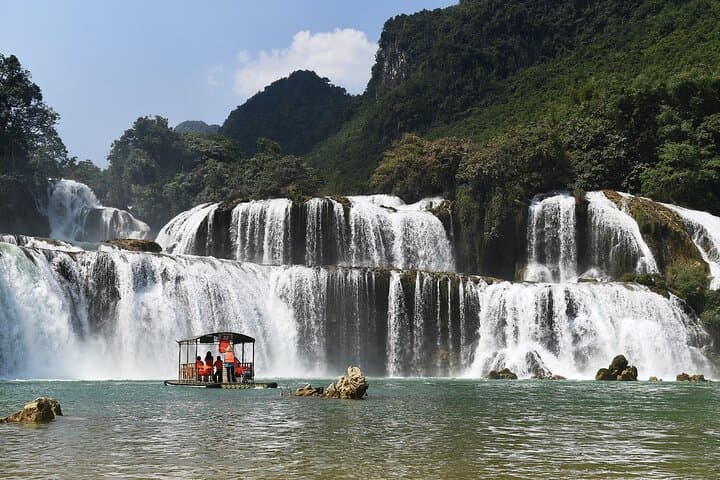
A morning mist lifts off a wide river and the first tiers of Ban Gioc reveal themselves—white sheets of water spilling along the China–Vietnam border, carving grooves into the limestone. On this four-day circuit from Hanoi you travel that ribbon of karst country: high passes that bend like pages, caves that hold cool, mineral air, and a ribbon of lake water punctuated by stilt houses.
A morning mist lifts off a wide river and the first tiers of Ban Gioc reveal themselves—white sheets of water spilling along the China–Vietnam border, carving grooves into the limestone. On this four-day circuit from Hanoi you travel that ribbon of karst country: high passes that bend like pages, caves that hold cool, mineral air, and a ribbon of lake water punctuated by stilt houses.
The route threads through Pac Bo, where Ho Chi Minh returned in 1941, past Ma Phuc Pass’s 3.5 km switchback ridge and across Phong Nặm valley—Tày and H’mông villages rooted in rice terraces. Geologically the region is classic karst: folded limestone towers, underground streams and show caves such as Ngườm Ngao (over 2 km of passages). Culturally, homestays and incense-making villages give direct access to local craft and food; expect simple wooden rooms and family-style dinners.
Practical guide: buses run about six hours from Hanoi to Cao Bang; plan for long drives and short walks at attractions. Footing varies from paved rural roads to slick cave stairs and riverside trails—sturdy shoes and layers are essential. If you choose the Ba Be boat option, bring insect repellent and a waterproof phone case. Weather swings quickly in the northeast—clear mornings can cloud and drizzle by afternoon.
This itinerary balances travel and walking, with entrance fees and three nights in homestays included. Plan for early starts, small-group transport, and the slow rewards of remote landscapes: waterfalls daring you to step closer and lakes that push you to slow down and listen.