THE ADVENTURE COLLECTIVE® · Independent discovery and booking for outdoor travel

A private full-day drive from Doha across Qatar’s north and west coast — from mangrove-lined shorelines and quiet fishing harbors to the UNESCO ruins of Al Zubarah and wind-scoured limestone at Zekreet. Expect short walks, dramatic rock formations and concentrated cultural history in one day.
A private full-day drive from Doha across Qatar’s north and west coast — from mangrove-lined shorelines and quiet fishing harbors to the UNESCO ruins of Al Zubarah and wind-scoured limestone at Zekreet. Expect short walks, dramatic rock formations and concentrated cultural history in one day.
The day begins on the paved edge of Doha as the city’s glass towers yield to an open, saline smell and a horizon of low dunes. A private vehicle threads north along the coast, the wind sharpening limestone ridges into sculptures that seem to dare you to step closer. Stops are short and tactile: Al Khor’s old harbor where fishing dhows bob, the green ribbons of mangroves at Al Thakira, and the low, clean lines of Al Zubarah Fort rising from an archaeological plain.
Verified experiences and guided adventures in the surrounding area.
Operated by Horizon Tour For Tourism Services · Doha, Doha
The day begins on the paved edge of Doha as the city’s glass towers yield to an open, saline smell and a horizon of low dunes. A private vehicle threads north along the coast, the wind sharpening limestone ridges into sculptures that seem to dare you to step closer. Stops are short and tactile: Al Khor’s old harbor where fishing dhows bob, the green ribbons of mangroves at Al Thakira, and the low, clean lines of Al Zubarah Fort rising from an archaeological plain.
Qatar’s northern coast was shaped by centuries of pearling, trade and seasonal fishing; Al Zubarah is a surviving port-town complex that became a UNESCO site for its role in the Gulf’s mercantile networks. Geology here is simple and striking — wind-sculpted limestone, eroded escarpments and sand that migrates slowly across abandoned shell beds. The cultural thread is plain: villages built from local stone and mud, a living dhow-building tradition, and camel tracks that still cut through the dunes.
Practically, expect frequent short walks across soft sand and compacted wadi rock, brief guided talks at each site, and photography-friendly light mid-morning and late afternoon. Wear sturdy, closed-toe shoes and sun protection; bring a refillable water bottle and binoculars for birdlife in the mangroves. Guides typically provide bottled water and tea, and the private format means you can adjust pacing to avoid the hottest hours. The tour is best in cooler months; summer brings extreme heat and reduced outdoor comfort. Respect local customs at villages and historic sites and stay on marked paths to protect fragile archaeological surfaces.
moderate.
6–8 hours.
Participants should have moderate fitness for short walks (10–30 minutes) over sand, rock and uneven ground.
Most bookings include private transfer from Doha; confirm pickup point and time when you book and allow flexibility for traffic.
Admission policies can change — check with the tour operator beforehand; many private tours include these fees, but verify in writing.
Summer temperatures can exceed 40°C (104°F); the private format allows skipping midday outdoor stops or adjusting sequence to cooler hours.
Short site walks make it family-friendly but not ideal for those with serious mobility or cardiovascular issues; infant seats are often available, and children should be supervised on dunes and rocks.
Al Zubarah was a thriving 18th–19th century pearling and trading town; excavations there have revealed streets, houses and fortifications that map Gulf commerce before oil wealth.
Mangrove and coastal habitats are fragile; stay on designated tracks, avoid disturbing nesting birds, and support operators who limit vehicle pressure on dune systems.
Horizon Tour For Tourism Services operates guided outdoor trips and adventures with an emphasis on safety, stewardship, and memorable experiences.
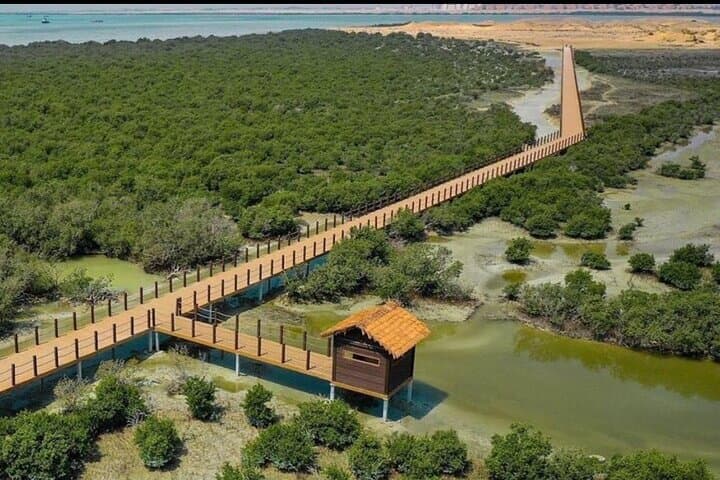
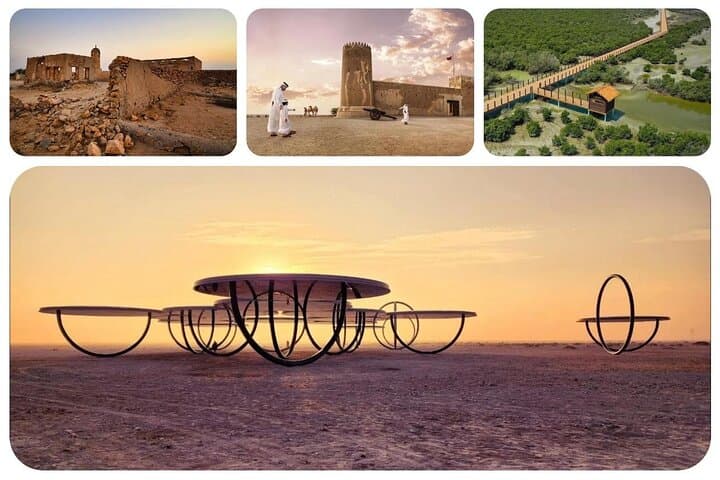
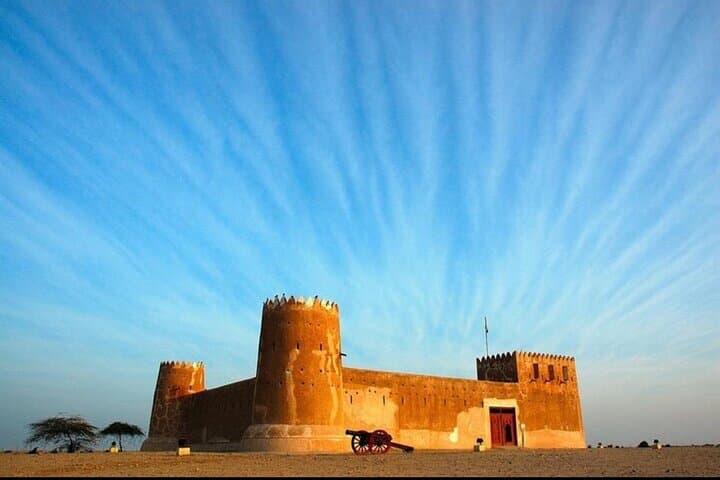
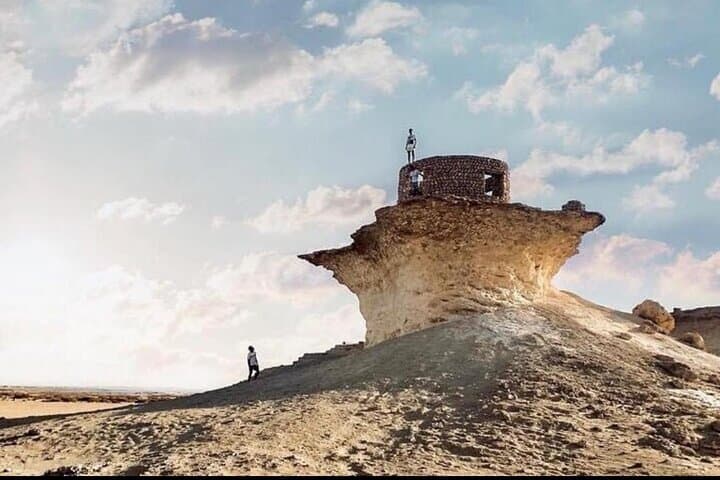
The day begins on the paved edge of Doha as the city’s glass towers yield to an open, saline smell and a horizon of low dunes. A private vehicle threads north along the coast, the wind sharpening limestone ridges into sculptures that seem to dare you to step closer. Stops are short and tactile: Al Khor’s old harbor where fishing dhows bob, the green ribbons of mangroves at Al Thakira, and the low, clean lines of Al Zubarah Fort rising from an archaeological plain.
The day begins on the paved edge of Doha as the city’s glass towers yield to an open, saline smell and a horizon of low dunes. A private vehicle threads north along the coast, the wind sharpening limestone ridges into sculptures that seem to dare you to step closer. Stops are short and tactile: Al Khor’s old harbor where fishing dhows bob, the green ribbons of mangroves at Al Thakira, and the low, clean lines of Al Zubarah Fort rising from an archaeological plain.
Qatar’s northern coast was shaped by centuries of pearling, trade and seasonal fishing; Al Zubarah is a surviving port-town complex that became a UNESCO site for its role in the Gulf’s mercantile networks. Geology here is simple and striking — wind-sculpted limestone, eroded escarpments and sand that migrates slowly across abandoned shell beds. The cultural thread is plain: villages built from local stone and mud, a living dhow-building tradition, and camel tracks that still cut through the dunes.
Practically, expect frequent short walks across soft sand and compacted wadi rock, brief guided talks at each site, and photography-friendly light mid-morning and late afternoon. Wear sturdy, closed-toe shoes and sun protection; bring a refillable water bottle and binoculars for birdlife in the mangroves. Guides typically provide bottled water and tea, and the private format means you can adjust pacing to avoid the hottest hours. The tour is best in cooler months; summer brings extreme heat and reduced outdoor comfort. Respect local customs at villages and historic sites and stay on marked paths to protect fragile archaeological surfaces.