THE ADVENTURE COLLECTIVE® · Independent discovery and booking for outdoor travel

Step off your ship and into a full sweep of North Wales—medieval Conwy, the rugged Ogwen Valley in Snowdonia, and the sky-high Pontcysyllte Aqueduct. This guided day trip balances scenery, culture, and smart logistics so you see more and get back with time to spare.
Step off your ship and into a full sweep of North Wales—medieval Conwy, the rugged Ogwen Valley in Snowdonia, and the sky-high Pontcysyllte Aqueduct. This guided day trip balances scenery, culture, and smart logistics so you see more and get back with time to spare.
The day begins where the Mersey meets the sea, with the ship towering behind you and a sleek minibus waiting at the Liverpool Cruise Terminal. The city hum fades as the road slips west, the Dee Estuary flashing silver, and soon green hills stack into mountains. Wales rises ahead and the air changes—crisper, charged—like the landscape is clearing its throat for a story.
Verified experiences and guided adventures in the surrounding area.
Operated by BusyBus (Liverpool) · Liverpool, England
The day begins where the Mersey meets the sea, with the ship towering behind you and a sleek minibus waiting at the Liverpool Cruise Terminal. The city hum fades as the road slips west, the Dee Estuary flashing silver, and soon green hills stack into mountains. Wales rises ahead and the air changes—crisper, charged—like the landscape is clearing its throat for a story.
First stop: Conwy, a walled town that keeps history close. Edward I’s 13th-century fortress weighs on the skyline, all stone teeth and arrow slits. You’re free to roam—climb a section of town walls for estuary views, consider a quick visit to Conwy Castle (paid entry), or pass the bright red door of Britain’s Smallest House on the quay. Salt air rides in on a light breeze, gulls heckle from the harbor, and a paper-wrapped parcel of fish and chips warms your hands.
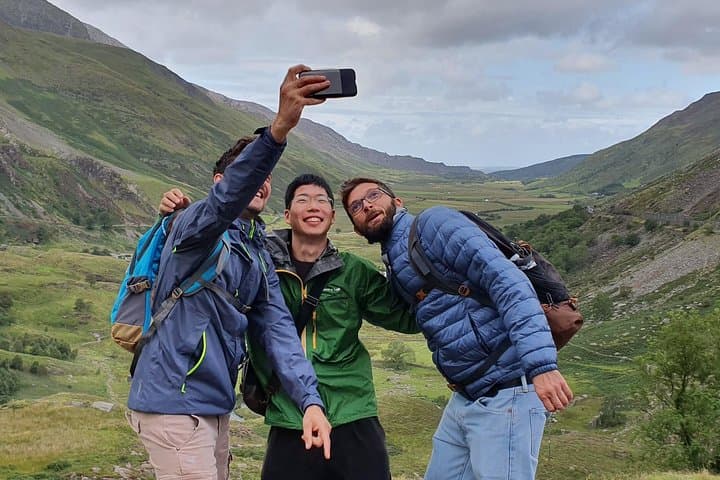
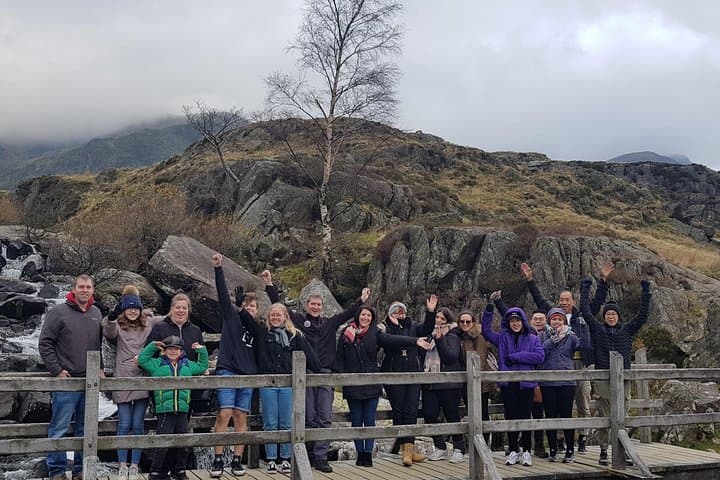
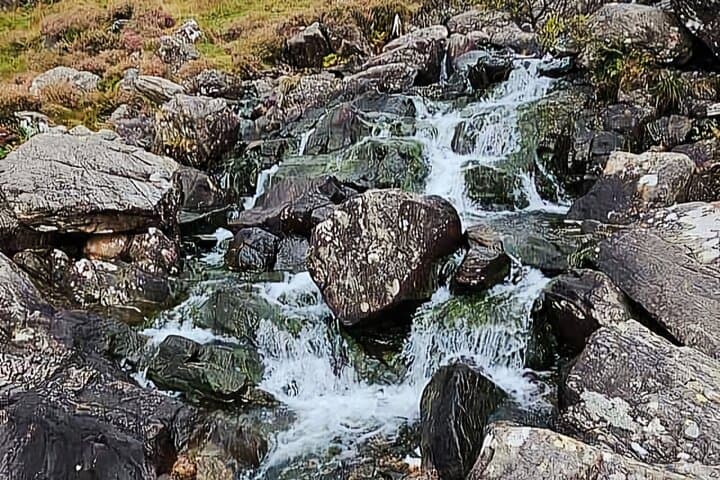
The road presses inland, and Snowdonia—Eryri in Welsh—answers with heather slopes and glacial hollows. Mountains shrug off clouds. In the Ogwen Valley, a short, steady stroll on gravel paths leads to water that hurries over boulders as if late to an appointment. You might spot Carneddau ponies tracing the ridgelines, or hear a buzzard riding thermals overhead. The geology here is bold and legible: volcanic bedrock, battered by ice, now gripped by hardy grasses and lichens.
Back aboard, it’s a sweeping drive through forests to Betws-y-Coed, a handsome village where the river talks under stone bridges and slate-roof shops brim with outdoor kit and Welsh cakes. Stretch your legs, grab a coffee, and wander the old station platforms that once delivered Victorian holidaymakers to the edge of adventure.
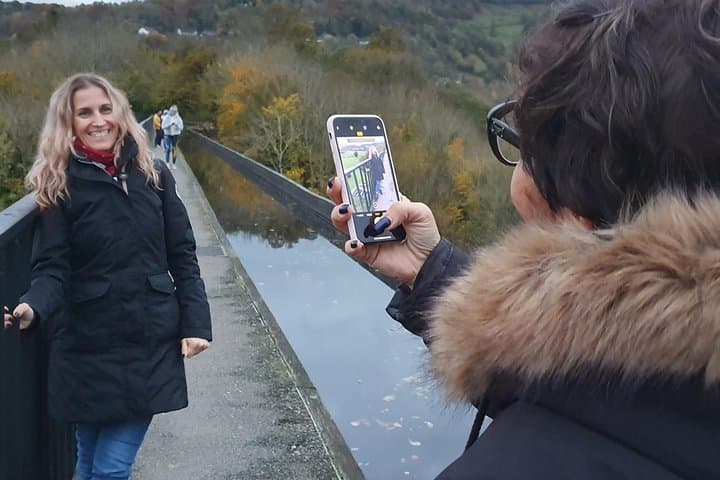
The finale is an engineering dare: the Pontcysyllte Aqueduct, a UNESCO World Heritage Site built in 1805 by Thomas Telford. A narrow towpath rides high above the River Dee—126 feet (38 meters) down—with the canal gliding past in an iron trough. Walk the 1,007-foot (307-meter) span if you like; kayaks drift far below and the valley breathes around you. The aqueduct doesn’t shout. It simply carries water across the sky and dares you to follow.
This shore excursion is timed to your ship, with commentary that adds context without crowding the views. Expect light walking on uneven surfaces, brief climbs to viewpoints, variable weather, and big rewards packed into a single day. Bring layers, good footwear, and a readiness to shift from castle stone to mountain air to ironwork heights—a compact circuit through North Wales that moves as briskly and confidently as the rivers you meet along the way.
easy.
7.5–8 hours.
Comfortable walking a mile or two across the day with brief inclines and steps.
Approximately 7.5 hours, designed to align with your ship’s schedule and return at least one hour before all-aboard.
No. You’ll have free time to visit at your own expense or explore the town and walls instead.
Expect short, easy walks: 10–20 minutes in the Ogwen Valley and additional strolling in Conwy and Betws-y-Coed.
Dress in layers with a waterproof shell and wear sturdy walking shoes; bring a hat and gloves in cooler months.
Yes, but the path feels exposed. You can enjoy views from the approach or visitor area if you prefer not to cross.
Yes. There are restroom breaks and opportunities to purchase snacks, lunch, and coffee in Conwy and Betws-y-Coed.
Conwy’s fortress was one of Edward I’s Iron Ring castles, while Pontcysyllte Aqueduct—opened in 1805—was Thomas Telford’s audacious solution to carrying the Llangollen Canal across the Dee Valley.
Eryri’s popular trails suffer erosion—stick to established paths and avoid trampling vegetation. Pack out litter, and support UNESCO preservation by respecting signage at the aqueduct.
BusyBus (Liverpool) operates guided outdoor trips and adventures with an emphasis on safety, stewardship, and memorable experiences.
The day begins where the Mersey meets the sea, with the ship towering behind you and a sleek minibus waiting at the Liverpool Cruise Terminal. The city hum fades as the road slips west, the Dee Estuary flashing silver, and soon green hills stack into mountains. Wales rises ahead and the air changes—crisper, charged—like the landscape is clearing its throat for a story.
The day begins where the Mersey meets the sea, with the ship towering behind you and a sleek minibus waiting at the Liverpool Cruise Terminal. The city hum fades as the road slips west, the Dee Estuary flashing silver, and soon green hills stack into mountains. Wales rises ahead and the air changes—crisper, charged—like the landscape is clearing its throat for a story.
First stop: Conwy, a walled town that keeps history close. Edward I’s 13th-century fortress weighs on the skyline, all stone teeth and arrow slits. You’re free to roam—climb a section of town walls for estuary views, consider a quick visit to Conwy Castle (paid entry), or pass the bright red door of Britain’s Smallest House on the quay. Salt air rides in on a light breeze, gulls heckle from the harbor, and a paper-wrapped parcel of fish and chips warms your hands.
The road presses inland, and Snowdonia—Eryri in Welsh—answers with heather slopes and glacial hollows. Mountains shrug off clouds. In the Ogwen Valley, a short, steady stroll on gravel paths leads to water that hurries over boulders as if late to an appointment. You might spot Carneddau ponies tracing the ridgelines, or hear a buzzard riding thermals overhead. The geology here is bold and legible: volcanic bedrock, battered by ice, now gripped by hardy grasses and lichens.
Back aboard, it’s a sweeping drive through forests to Betws-y-Coed, a handsome village where the river talks under stone bridges and slate-roof shops brim with outdoor kit and Welsh cakes. Stretch your legs, grab a coffee, and wander the old station platforms that once delivered Victorian holidaymakers to the edge of adventure.
The finale is an engineering dare: the Pontcysyllte Aqueduct, a UNESCO World Heritage Site built in 1805 by Thomas Telford. A narrow towpath rides high above the River Dee—126 feet (38 meters) down—with the canal gliding past in an iron trough. Walk the 1,007-foot (307-meter) span if you like; kayaks drift far below and the valley breathes around you. The aqueduct doesn’t shout. It simply carries water across the sky and dares you to follow.
This shore excursion is timed to your ship, with commentary that adds context without crowding the views. Expect light walking on uneven surfaces, brief climbs to viewpoints, variable weather, and big rewards packed into a single day. Bring layers, good footwear, and a readiness to shift from castle stone to mountain air to ironwork heights—a compact circuit through North Wales that moves as briskly and confidently as the rivers you meet along the way.