THE ADVENTURE COLLECTIVE® · Independent discovery and booking for outdoor travel

Head out from the less-traveled North Shore for private, two-hour whale-watching charters where humpbacks nurse and court close to shore. Expect cultural context from Hawaiian-owned guides, a hydrophone for listening, and calm winter mornings for the best sightings.
Head out from the less-traveled North Shore for private, two-hour whale-watching charters where humpbacks nurse and court close to shore. Expect cultural context from Hawaiian-owned guides, a hydrophone for listening, and calm winter mornings for the best sightings.
The boat slips away from the small harbor and the North Shore opens up like a wide, breathing expanse of ocean. Salt and citrus from the provided fruit mingle with the engine’s steady thrum as the shoreline—marked by jagged lava outcrops and low coral reefs—recedes. Ahead, breakers and deep blue channels call; beneath the surface, humpbacks are migrating, nursing, and courting in these warm Hawaiian waters.
Verified experiences and guided adventures in the surrounding area.
Operated by Go Adventure Hawaii · Haleiwa, Hawaii
The boat slips away from the small harbor and the North Shore opens up like a wide, breathing expanse of ocean. Salt and citrus from the provided fruit mingle with the engine’s steady thrum as the shoreline—marked by jagged lava outcrops and low coral reefs—recedes. Ahead, breakers and deep blue channels call; beneath the surface, humpbacks are migrating, nursing, and courting in these warm Hawaiian waters.
This stretch of coastline carries layered history: ancient Hawaiian fishing grounds, heiau sites on promontories, and a modern surf culture shaped by winter swells that funnel energy toward Pipeline and Waimea. Geologically, the reef-fringed shallows give way quickly to deeper channels where migrating cetaceans congregate. Local guides blend natural history and Hawaiian cultural context—expect explanations of whale behavior, place names, and NOAA viewing guidelines.
Practically, private charters for up to six guests run about two hours, often including a hydrophone, onboard restroom, and snacks. Peak sighting months are December through April, with mornings often calmer for photography. Bring polarized sunglasses, a camera with a telephoto lens or zoom, and motion-sickness prevention if you’re prone to it. Dress in layers: sun can be intense and open ocean wind will bite.
Onboard, guides balance approaching whales for good views while keeping legally required distances—observe quietly, let the whales choose interactions, and avoid flash photography. For accessible departures from Haleiwa or the nearby small boat harbor, arrive early to find parking and enjoy a short walk to pier 300. This is a compact, family-friendly way to see large whales while learning about the ocean and island culture.
easy.
2 hours.
Suitable for most fitness levels—ability to step on/off a small boat and stand for periods is helpful.
Peak season runs roughly December through April; mid-winter mornings typically offer the highest sighting rates.
This operator limits private charters to six guests per boat for a more personal experience.
Yes—infants may sit on laps, infant seats are available, and the boarding and vessel are wheelchair accessible; confirm needs when booking.
Expect spinner dolphins, occasional false killer whales, and green sea turtles near reef edges; seabirds are common year-round.
The North Shore has long been important for Hawaiian fishing and cultural sites; modern surf culture grew from winter reef breaks like Pipeline and Waimea.
Hawaii enforces strict whale-watching guidelines to minimize disturbance; choose operators who follow NOAA rules and avoid propeller noise and close approaches.
Go Adventure Hawaii operates guided outdoor trips and adventures with an emphasis on safety, stewardship, and memorable experiences.
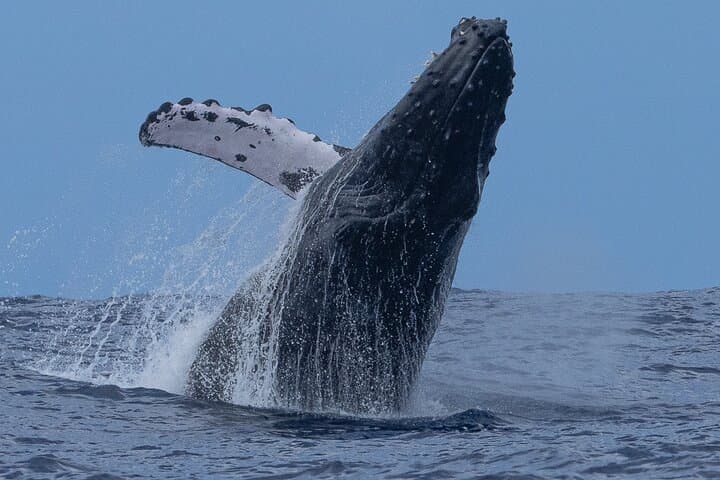
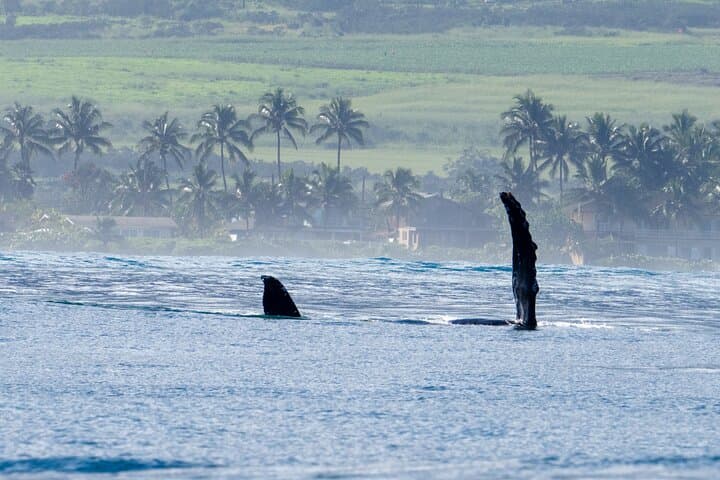
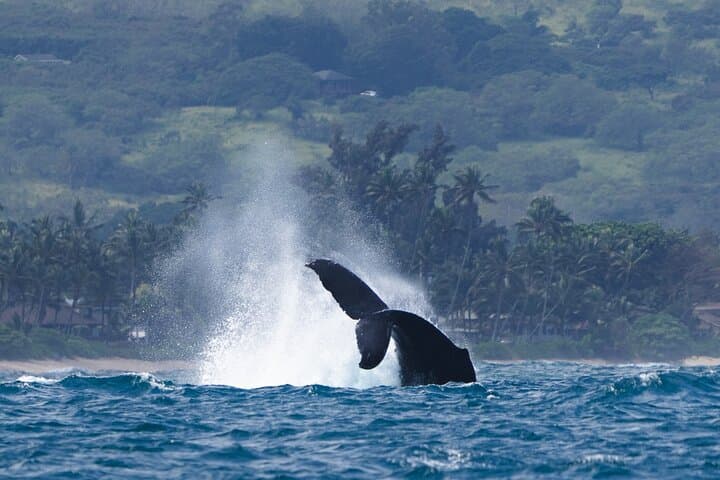
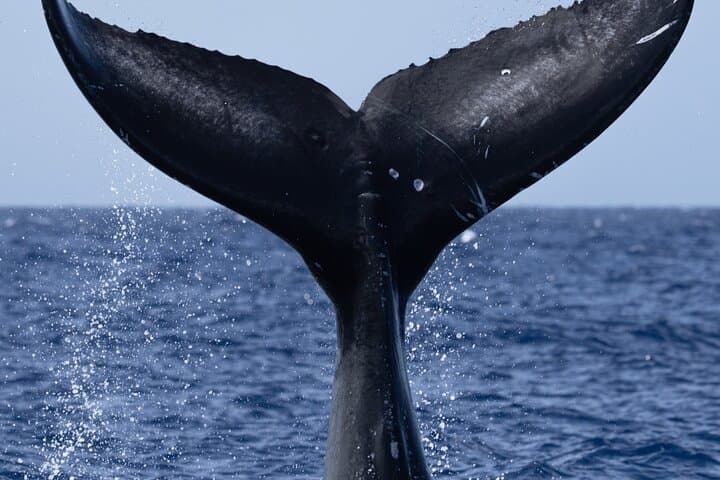
The boat slips away from the small harbor and the North Shore opens up like a wide, breathing expanse of ocean. Salt and citrus from the provided fruit mingle with the engine’s steady thrum as the shoreline—marked by jagged lava outcrops and low coral reefs—recedes. Ahead, breakers and deep blue channels call; beneath the surface, humpbacks are migrating, nursing, and courting in these warm Hawaiian waters.
The boat slips away from the small harbor and the North Shore opens up like a wide, breathing expanse of ocean. Salt and citrus from the provided fruit mingle with the engine’s steady thrum as the shoreline—marked by jagged lava outcrops and low coral reefs—recedes. Ahead, breakers and deep blue channels call; beneath the surface, humpbacks are migrating, nursing, and courting in these warm Hawaiian waters.
This stretch of coastline carries layered history: ancient Hawaiian fishing grounds, heiau sites on promontories, and a modern surf culture shaped by winter swells that funnel energy toward Pipeline and Waimea. Geologically, the reef-fringed shallows give way quickly to deeper channels where migrating cetaceans congregate. Local guides blend natural history and Hawaiian cultural context—expect explanations of whale behavior, place names, and NOAA viewing guidelines.
Practically, private charters for up to six guests run about two hours, often including a hydrophone, onboard restroom, and snacks. Peak sighting months are December through April, with mornings often calmer for photography. Bring polarized sunglasses, a camera with a telephoto lens or zoom, and motion-sickness prevention if you’re prone to it. Dress in layers: sun can be intense and open ocean wind will bite.
Onboard, guides balance approaching whales for good views while keeping legally required distances—observe quietly, let the whales choose interactions, and avoid flash photography. For accessible departures from Haleiwa or the nearby small boat harbor, arrive early to find parking and enjoy a short walk to pier 300. This is a compact, family-friendly way to see large whales while learning about the ocean and island culture.