THE ADVENTURE COLLECTIVE® · Independent discovery and booking for outdoor travel

Learn to surf on Oahu’s North Shore with a two-hour lesson that combines beach drills, ocean safety, and guided wave-practice. Perfect for confident swimmers ready for a hands-on introduction to the island’s surf culture and techniques.
Learn to surf on Oahu’s North Shore with a two-hour lesson that combines beach drills, ocean safety, and guided wave-practice. Perfect for confident swimmers ready for a hands-on introduction to the island’s surf culture and techniques.
You toe the sand where Pacific swells roll in like an approaching drumbeat; palms sway, and the shoreline hums with the practiced rhythm of surfers reading water. On Oahu’s North Shore, a beginner lesson with Surf N Sea begins on the beach—land drills, safe falling, and wave etiquette—before you push through white water and try standing for the first time.
Verified experiences and guided adventures in the surrounding area.
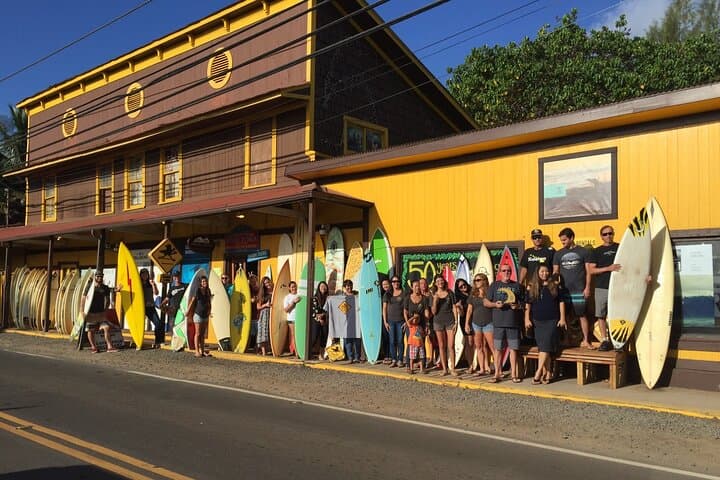
Operated by Surf N Sea · Haleiwa, Hawaii
You toe the sand where Pacific swells roll in like an approaching drumbeat; palms sway, and the shoreline hums with the practiced rhythm of surfers reading water. On Oahu’s North Shore, a beginner lesson with Surf N Sea begins on the beach—land drills, safe falling, and wave etiquette—before you push through white water and try standing for the first time.
Surfing here has deep roots: long before tourism, Hawaiian aliʻi (chiefs) rode boards called olo and alaia as a sacred practice and competition. The coastline’s basalt reefs and volcanic contours shape the surf, producing consistent peelers at the more advanced breaks and gentler beach breaks where instructors place novices.
Culturally, the North Shore balances small-town surf culture with active conservation—locals expect respect for marine life and reef habitats. Expect to share the lineup, listen to instructors, and be patient: ocean conditions govern every session.
Practical guidance: lessons last about two hours and include boards and safety equipment; you must be able to swim and have a moderate fitness level. Arrive 20–30 minutes early to sign waivers and get fitted. Wear a rash guard or swimwear, apply reef-safe sunscreen, and leave jewelry in your bag; instructors will teach paddling, timing, and how to pop up efficiently.
Timing matters—mornings often have cleaner, softer waves for learners, while winter months can bring larger surf better suited to advanced sessions. Drive time from Surf N Sea to the lesson spot varies; plan for local parking and brief beach walks. With practice, the ocean shifts from intimidating to inviting, and the simple act of standing on a board becomes its own reward.
moderate.
2 hours.
Should have moderate fitness and comfortable swimming ability; expect short bursts of paddling and popping to stand.
Yes—participants must be able to swim and be comfortable in ocean water; instructors will not take non-swimmers into open surf.
Yes—all necessary equipment including surfboards and flotation aids are provided as part of the lesson.
No—transportation is not provided; you must drive from Surf N Sea to the designated surf spot and arrange parking.
Group lessons are for ages 13 and up; children under 13 require a private lesson for safety and personalized instruction.
Surfing originated in Polynesian culture and was a formal pastime and cultural practice in ancient Hawaii, practiced by aliʻi and commoners alike.
Respect reef ecosystems by using reef-safe sunscreen, avoiding standing on coral, and observing marine life from a distance to minimize disturbance.
Surf N Sea operates guided outdoor trips and adventures with an emphasis on safety, stewardship, and memorable experiences.
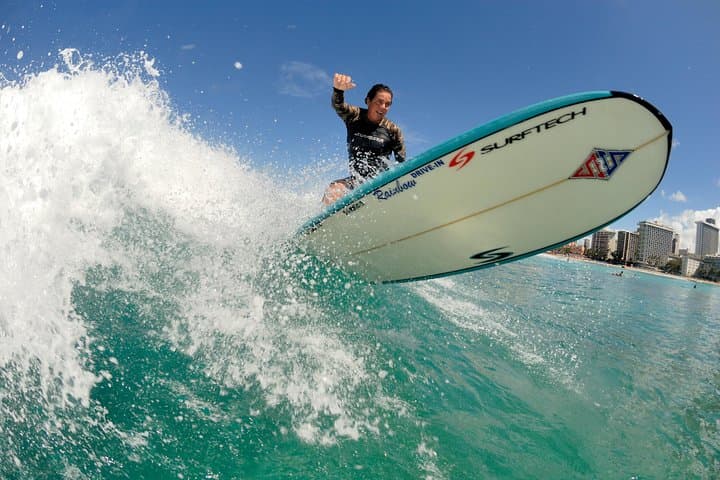
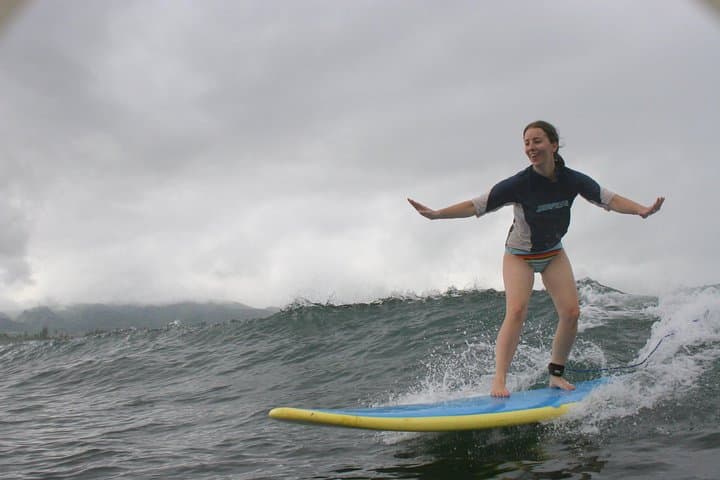
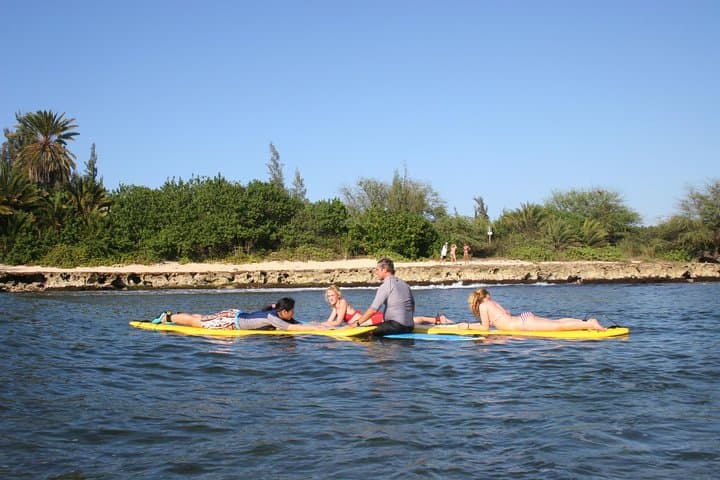
You toe the sand where Pacific swells roll in like an approaching drumbeat; palms sway, and the shoreline hums with the practiced rhythm of surfers reading water. On Oahu’s North Shore, a beginner lesson with Surf N Sea begins on the beach—land drills, safe falling, and wave etiquette—before you push through white water and try standing for the first time.
You toe the sand where Pacific swells roll in like an approaching drumbeat; palms sway, and the shoreline hums with the practiced rhythm of surfers reading water. On Oahu’s North Shore, a beginner lesson with Surf N Sea begins on the beach—land drills, safe falling, and wave etiquette—before you push through white water and try standing for the first time.
Surfing here has deep roots: long before tourism, Hawaiian aliʻi (chiefs) rode boards called olo and alaia as a sacred practice and competition. The coastline’s basalt reefs and volcanic contours shape the surf, producing consistent peelers at the more advanced breaks and gentler beach breaks where instructors place novices.
Culturally, the North Shore balances small-town surf culture with active conservation—locals expect respect for marine life and reef habitats. Expect to share the lineup, listen to instructors, and be patient: ocean conditions govern every session.
Practical guidance: lessons last about two hours and include boards and safety equipment; you must be able to swim and have a moderate fitness level. Arrive 20–30 minutes early to sign waivers and get fitted. Wear a rash guard or swimwear, apply reef-safe sunscreen, and leave jewelry in your bag; instructors will teach paddling, timing, and how to pop up efficiently.
Timing matters—mornings often have cleaner, softer waves for learners, while winter months can bring larger surf better suited to advanced sessions. Drive time from Surf N Sea to the lesson spot varies; plan for local parking and brief beach walks. With practice, the ocean shifts from intimidating to inviting, and the simple act of standing on a board becomes its own reward.