THE ADVENTURE COLLECTIVE® · Independent discovery and booking for outdoor travel

Cover four distinct northern Moroccan towns in a brisk two‑day circuit: the port city energy of Tangier, Tetouan’s UNESCO medina, Chefchaouen’s blue alleys, and Asilah’s Atlantic ramparts. Fast‑paced but walkable, this weekend loop blends culture, coastal views, and Rif foothill scenery.
Cover four distinct northern Moroccan towns in a brisk two‑day circuit: the port city energy of Tangier, Tetouan’s UNESCO medina, Chefchaouen’s blue alleys, and Asilah’s Atlantic ramparts. Fast‑paced but walkable, this weekend loop blends culture, coastal views, and Rif foothill scenery.
A salt wind from the Strait of Gibraltar first meets you in Tangier — gulls wheel above the port while a driver waits with an air‑conditioned minivan to slip you into the Rif foothills. Over two days this compact loop moves fast: Tetouan’s whitewashed courtyards and Spanish‑influenced medina give way to the blue alleys of Chefchaouen, then the Atlantic breeze and mural‑dotted ramparts of Asilah, finishing where land meets sea again in Tangier.
Verified experiences and guided adventures in the surrounding area.
Operated by Xauen Tours · Tangier, Tanger-Tetouan-Al Hoceima
A salt wind from the Strait of Gibraltar first meets you in Tangier — gulls wheel above the port while a driver waits with an air‑conditioned minivan to slip you into the Rif foothills. Over two days this compact loop moves fast: Tetouan’s whitewashed courtyards and Spanish‑influenced medina give way to the blue alleys of Chefchaouen, then the Atlantic breeze and mural‑dotted ramparts of Asilah, finishing where land meets sea again in Tangier.
These towns trace layers of history: Roman and Phoenician trade routes, Andalusian refugees shaping Tetouan’s architecture, and Portuguese and Spanish touches in Asilah and Tangier. Geologically the Rif is a folded mountain belt of limestone and shale; slopes rise sharply behind coastal plains, forcing roads that curve with the land and reveal panoramic views at unexpected turns. Culturally you’ll notice artisanal crafts — woven textiles in Tetouan, indigo-dyed wares in Chefchaouen, and contemporary mural art in Asilah — a cheap lesson in local livelihoods.
Practically, expect guided walking time in compact medinas on cobbles, short drives between stops in an AC minivan, and one night in a typical riad in Chefchaouen with breakfast included. Bring comfortable walking shoes, a modest wardrobe for conservative areas, cash in dirhams for small purchases, and a refillable bottle — water and shade can be intermittent. Aim for early starts to avoid midday heat and to catch soft light in the blue city. The route rewards curious walkers: listen for call to prayer, follow alleyways away from the main plazas, and let the Atlantic breeze decide when to pause for a coffee.
easy.
2 days.
Suitable for travelers of average fitness; able to handle several hours of walking on cobbles and short van transfers.
The loop typically begins and ends in Tangier; pickup can be arranged from the port, airport, or central hotels.
Yes — one night in Chefchaouen at a typical riad with breakfast is included in the itinerary.
Expect several hours of walking across two days, mostly on flat or gently sloping medina streets and short stair sections.
Breakfast is included; other meals are generally at your expense, with plenty of local cafés and restaurants available.
Northern Morocco bears a mix of Phoenician, Roman, Andalusian and Iberian influences; Tetouan’s medina reflects significant Andalusian resettlement after the Reconquista.
Tourism is concentrated in fragile historic cores; stick to marked streets, avoid disturbing local craftspeople, and minimize single‑use plastics to reduce impact.
Xauen Tours operates guided outdoor trips and adventures with an emphasis on safety, stewardship, and memorable experiences.
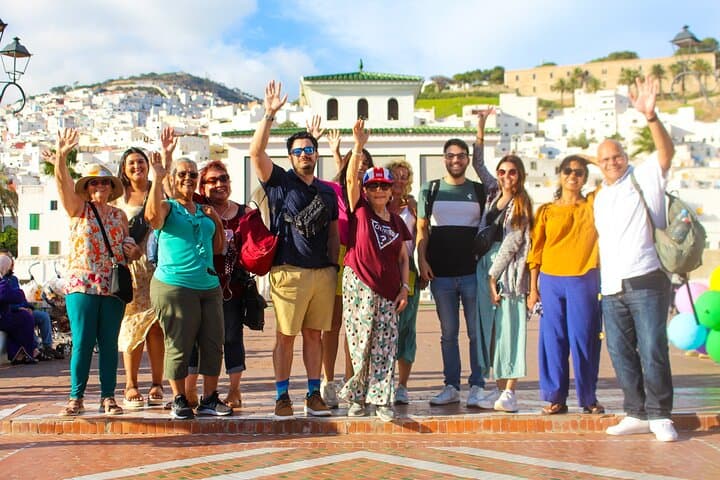
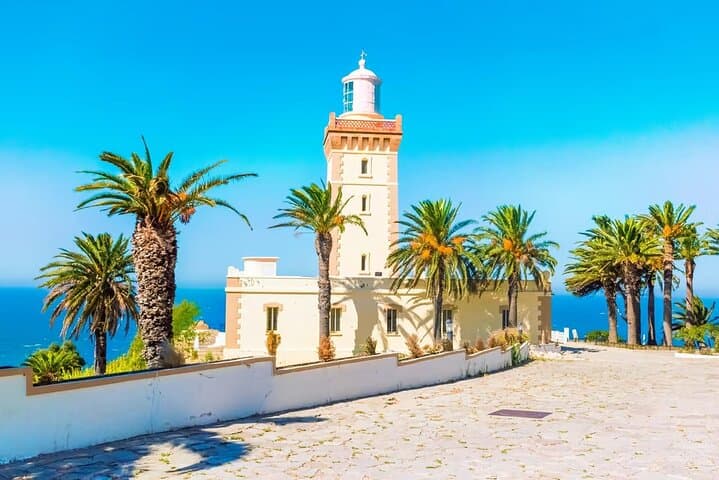


A salt wind from the Strait of Gibraltar first meets you in Tangier — gulls wheel above the port while a driver waits with an air‑conditioned minivan to slip you into the Rif foothills. Over two days this compact loop moves fast: Tetouan’s whitewashed courtyards and Spanish‑influenced medina give way to the blue alleys of Chefchaouen, then the Atlantic breeze and mural‑dotted ramparts of Asilah, finishing where land meets sea again in Tangier.
A salt wind from the Strait of Gibraltar first meets you in Tangier — gulls wheel above the port while a driver waits with an air‑conditioned minivan to slip you into the Rif foothills. Over two days this compact loop moves fast: Tetouan’s whitewashed courtyards and Spanish‑influenced medina give way to the blue alleys of Chefchaouen, then the Atlantic breeze and mural‑dotted ramparts of Asilah, finishing where land meets sea again in Tangier.
These towns trace layers of history: Roman and Phoenician trade routes, Andalusian refugees shaping Tetouan’s architecture, and Portuguese and Spanish touches in Asilah and Tangier. Geologically the Rif is a folded mountain belt of limestone and shale; slopes rise sharply behind coastal plains, forcing roads that curve with the land and reveal panoramic views at unexpected turns. Culturally you’ll notice artisanal crafts — woven textiles in Tetouan, indigo-dyed wares in Chefchaouen, and contemporary mural art in Asilah — a cheap lesson in local livelihoods.
Practically, expect guided walking time in compact medinas on cobbles, short drives between stops in an AC minivan, and one night in a typical riad in Chefchaouen with breakfast included. Bring comfortable walking shoes, a modest wardrobe for conservative areas, cash in dirhams for small purchases, and a refillable bottle — water and shade can be intermittent. Aim for early starts to avoid midday heat and to catch soft light in the blue city. The route rewards curious walkers: listen for call to prayer, follow alleyways away from the main plazas, and let the Atlantic breeze decide when to pause for a coffee.