THE ADVENTURE COLLECTIVE® · Independent discovery and booking for outdoor travel

Cycle through northern Kyoto’s quieter streets to visit Kitano Tenmangu, glide past the Golden Pavilion, and stop for an included riverside lunch. This guided, 5–6 hour tour mixes cultural insight with easy pedaling and frequent photo stops.
Cycle through northern Kyoto’s quieter streets to visit Kitano Tenmangu, glide past the Golden Pavilion, and stop for an included riverside lunch. This guided, 5–6 hour tour mixes cultural insight with easy pedaling and frequent photo stops.
Pedaling north from a compact shop near central Kyoto, the city opens like a map unfurling: narrow merchant lanes give way to riverside tracks, temple grounds ringed by cedars, and the sudden gold flash of Kinkaku-ji as it catches the light.
Verified experiences and guided adventures in the surrounding area.
Operated by Cycle Kyoto · Kyoto, Kyoto
Pedaling north from a compact shop near central Kyoto, the city opens like a map unfurling: narrow merchant lanes give way to riverside tracks, temple grounds ringed by cedars, and the sudden gold flash of Kinkaku-ji as it catches the light.
This loop covers parts of Kyoto’s Muromachi and Heian-era legacy — from Shinto shrines where students leave plum-blossom prayers to the Muromachi-period Golden Pavilion reflecting over its pond. The terrain sits in the shallow Kyoto Basin, so expect mostly flat streets with brief, manageable rises along older neighborhoods and canal banks. Culture rides beside you: arcade shops selling matcha sweets, wooden machiya houses that once sheltered artisans, and the geisha quarters where evening shadows move quietly.
On a guided ride you’ll sample local rhythms more than tourist snapshots — joining morning shrine-goers at Kitano Tenmangu, cruising former imperial grounds, then pausing for an included lunch at a riverside spot. The guide points out architectural details, seasonal plantings, and where to find the best pickled vegetables or yudofu (tofu hotpot).
Practically, plan for a 5–6 hour outing covering roughly 12–18 km with frequent stops; hybrids handle city pavement and packed gravel comfortably. Bring layered clothing for sudden spring showers or autumn breeze, comfortable shoes for short walks at temples, and a compact camera. Hydration and sun protection matter — bottled water is provided, but refill a lightweight bottle as the day warms. Expect a social, moderate-paced ride suited to confident teen-and-up cyclists.
moderate.
5–6 hours.
Moderate fitness: able to ride 12–18 km at a conversational pace with short walking segments
The tour covers roughly 12–18 km over 5–6 hours with frequent stops; terrain is mostly flat with short rises, suitable for riders comfortable on hybrid bikes.
Yes—an authentic lunch is included; inform the operator of dietary requirements ahead of time so they can adjust options.
Riders must be at least 13 years old and should have a moderate level of fitness and confidence riding in city conditions.
High-quality hybrid bikes (Cannondale/Trek/Giant) and guidance for fitting are provided; check if helmets are included or bring your own if preferred.
Northern Kyoto holds Muromachi-period landmarks like Kinkaku-ji and shrines used for academic prayers; many neighborhoods grew around artisans serving the court and temples.
Guides emphasize staying on paths, removing litter, and respecting shrine rules; Kyoto’s heavy foot traffic makes responsible visiting important to preserve wooden structures and gardens.
Cycle Kyoto operates guided outdoor trips and adventures with an emphasis on safety, stewardship, and memorable experiences.
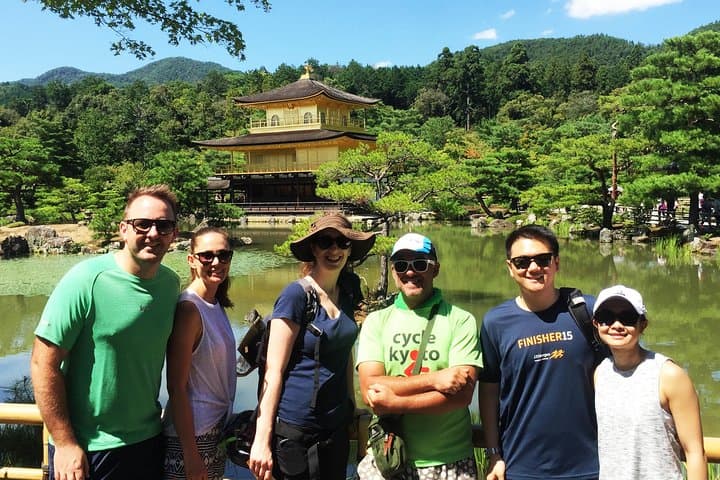
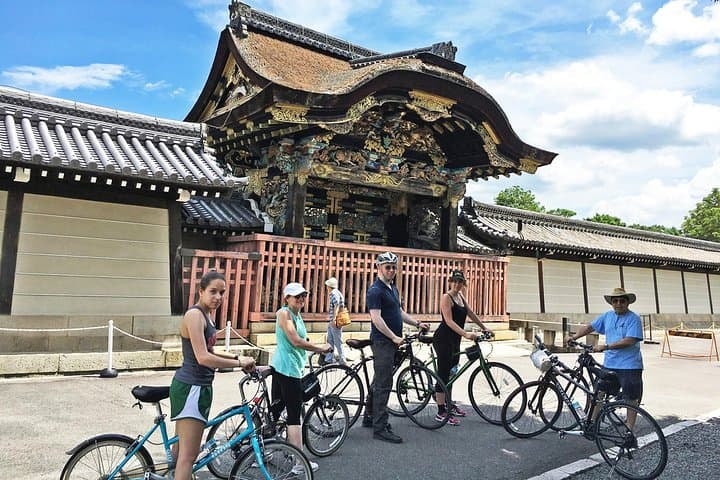
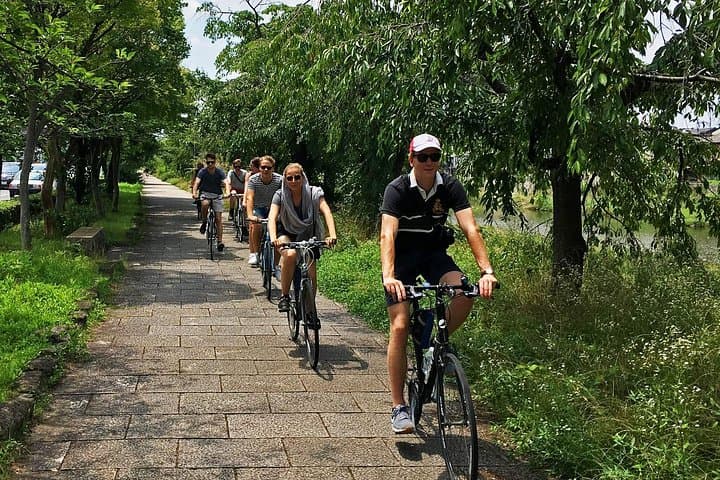
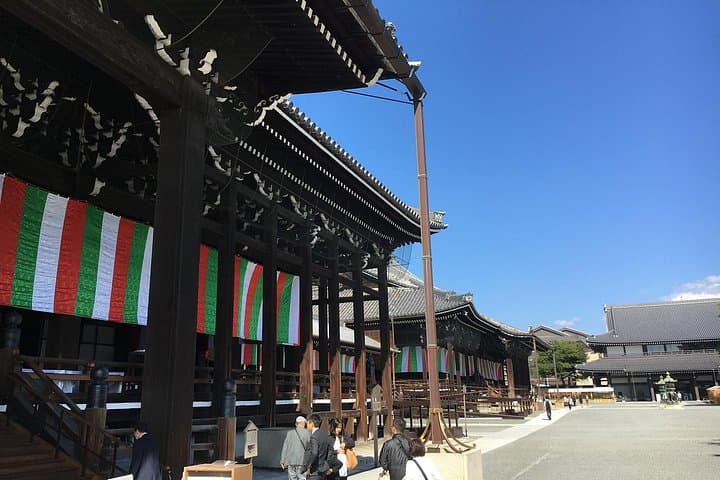
Pedaling north from a compact shop near central Kyoto, the city opens like a map unfurling: narrow merchant lanes give way to riverside tracks, temple grounds ringed by cedars, and the sudden gold flash of Kinkaku-ji as it catches the light.
Pedaling north from a compact shop near central Kyoto, the city opens like a map unfurling: narrow merchant lanes give way to riverside tracks, temple grounds ringed by cedars, and the sudden gold flash of Kinkaku-ji as it catches the light.
This loop covers parts of Kyoto’s Muromachi and Heian-era legacy — from Shinto shrines where students leave plum-blossom prayers to the Muromachi-period Golden Pavilion reflecting over its pond. The terrain sits in the shallow Kyoto Basin, so expect mostly flat streets with brief, manageable rises along older neighborhoods and canal banks. Culture rides beside you: arcade shops selling matcha sweets, wooden machiya houses that once sheltered artisans, and the geisha quarters where evening shadows move quietly.
On a guided ride you’ll sample local rhythms more than tourist snapshots — joining morning shrine-goers at Kitano Tenmangu, cruising former imperial grounds, then pausing for an included lunch at a riverside spot. The guide points out architectural details, seasonal plantings, and where to find the best pickled vegetables or yudofu (tofu hotpot).
Practically, plan for a 5–6 hour outing covering roughly 12–18 km with frequent stops; hybrids handle city pavement and packed gravel comfortably. Bring layered clothing for sudden spring showers or autumn breeze, comfortable shoes for short walks at temples, and a compact camera. Hydration and sun protection matter — bottled water is provided, but refill a lightweight bottle as the day warms. Expect a social, moderate-paced ride suited to confident teen-and-up cyclists.