THE ADVENTURE COLLECTIVE® · Independent discovery and booking for outdoor travel

A private nine-hour drive from Tokyo focuses on Mt Fuji’s quieter northern viewpoints—lakes, spring-fed ponds and traditional village rooftops—guided by a local photographer who times stops for the best light. Expect short walks, cultural sights and clear alpine water, with practical tips for visibility and comfort.
A private nine-hour drive from Tokyo focuses on Mt Fuji’s quieter northern viewpoints—lakes, spring-fed ponds and traditional village rooftops—guided by a local photographer who times stops for the best light. Expect short walks, cultural sights and clear alpine water, with practical tips for visibility and comfort.
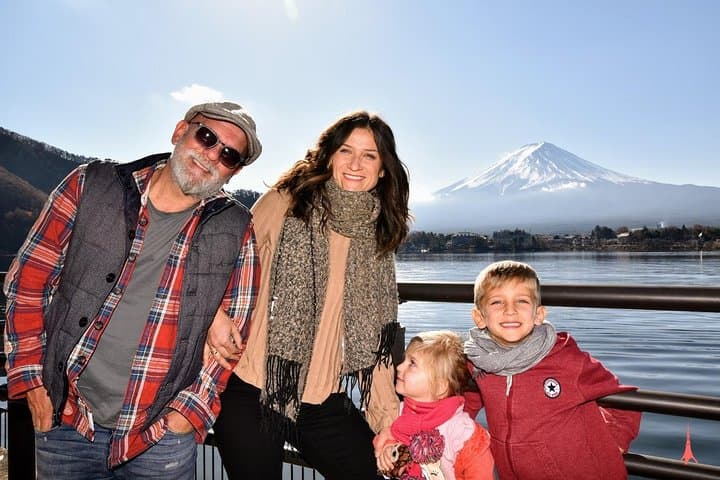
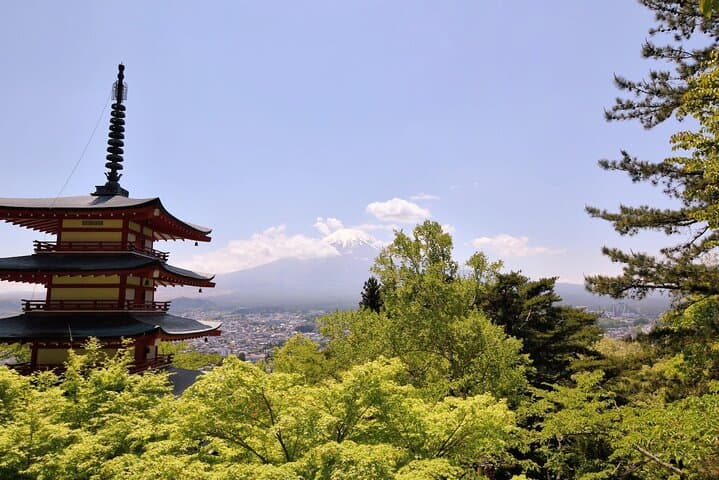
You step from the car onto cold volcanic air and the mountain greets you from its lesser-seen northern flank—a sharp silhouette against a sky that can clear in a single breath. The route threads lakes, a string of clear springs and a small village where tiled and thatched roofs align to frame Fuji’s profile like an intentional photograph.
Verified experiences and guided adventures in the surrounding area.
Operated by Travel Assist Japan LLC · Fujikawaguchiko, Yamanashi
You step from the car onto cold volcanic air and the mountain greets you from its lesser-seen northern flank—a sharp silhouette against a sky that can clear in a single breath. The route threads lakes, a string of clear springs and a small village where tiled and thatched roofs align to frame Fuji’s profile like an intentional photograph.
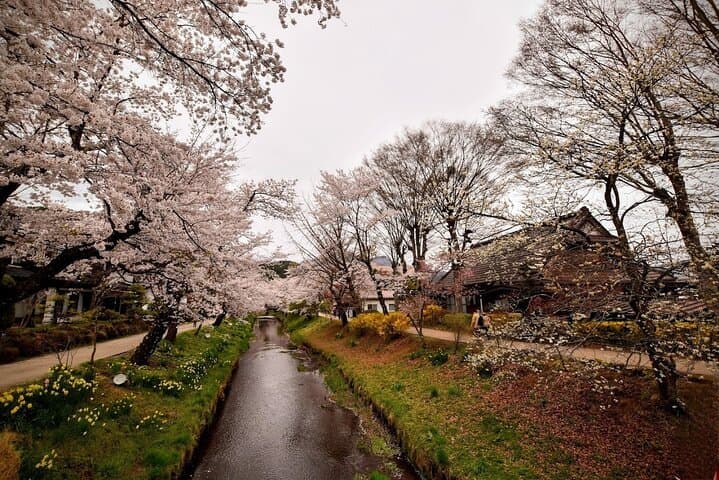
Geology here is obvious: lava flows and tephra from past eruptions created the five-lake basin and the aquifers that feed Oshino Hakkai’s spring ponds. Culturally, Fuji has been a sacred presence for centuries—pilgrims, artists and poets have long used these viewpoints to reframe Japan’s relationship with the mountain. The day trip visits quieter northern access points, traditional rural architecture and centuries-old stone lanterns that lead to trailheads used by locals.
Practically, this is a nine-hour private drive from Tokyo with multiple short walks (including one 400-step viewpoint). A photographer guide plans light, high-impact stops so you get varied light on Fuji—lakes, village roofs, and crystal springs—without a full-day trek.
Expect early mornings or late afternoons to offer the best visibility; clouds often form midday. Bring layered clothing for rapid temperature swings, a steady pair of walking shoes for uneven stone steps, and a camera with a mid-range zoom. Hydrate and plan for a flexible itinerary—local weather and the mountain’s moods dictate the best frames. This trip is an efficient way to see Fuji’s north side, taste spring-water fountains and photograph traditional Japan in one calibrated day.
moderate.
9 hours.
Moderate fitness for short hikes and multiple stair climbs—able to walk 20–40 minutes at a time and manage steps.
Yes—hotel pickup and drop-off in Tokyo are included; confirm your pickup point when booking.
Visibility depends on weather; mornings and winter days offer the best chances, and the guide will adjust stops to maximize clear views.
The listing notes wheelchair accessibility, but some viewpoints require stair climbing—discuss specific mobility needs with the operator before booking.
The ponds are famously clear and locally treated as drinking water sources—many visitors taste water at designated taps; follow the guide’s advice on safe sampling.
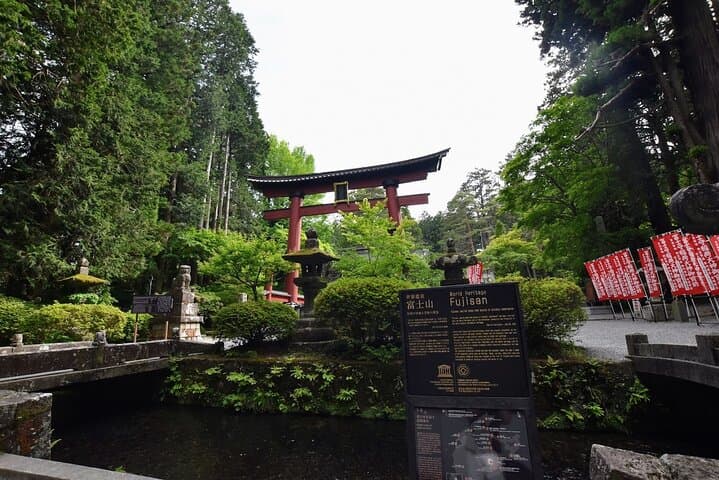
Mt Fuji has been a spiritual and artistic focal point for centuries and was designated a UNESCO World Cultural Heritage site in 2013 for its cultural significance.
Visitors are asked to stay on paths, avoid littering near springs, and follow local rules to protect fragile aquifers and rural village character.
Travel Assist Japan LLC operates guided outdoor trips and adventures with an emphasis on safety, stewardship, and memorable experiences.
You step from the car onto cold volcanic air and the mountain greets you from its lesser-seen northern flank—a sharp silhouette against a sky that can clear in a single breath. The route threads lakes, a string of clear springs and a small village where tiled and thatched roofs align to frame Fuji’s profile like an intentional photograph.
You step from the car onto cold volcanic air and the mountain greets you from its lesser-seen northern flank—a sharp silhouette against a sky that can clear in a single breath. The route threads lakes, a string of clear springs and a small village where tiled and thatched roofs align to frame Fuji’s profile like an intentional photograph.
Geology here is obvious: lava flows and tephra from past eruptions created the five-lake basin and the aquifers that feed Oshino Hakkai’s spring ponds. Culturally, Fuji has been a sacred presence for centuries—pilgrims, artists and poets have long used these viewpoints to reframe Japan’s relationship with the mountain. The day trip visits quieter northern access points, traditional rural architecture and centuries-old stone lanterns that lead to trailheads used by locals.
Practically, this is a nine-hour private drive from Tokyo with multiple short walks (including one 400-step viewpoint). A photographer guide plans light, high-impact stops so you get varied light on Fuji—lakes, village roofs, and crystal springs—without a full-day trek.
Expect early mornings or late afternoons to offer the best visibility; clouds often form midday. Bring layered clothing for rapid temperature swings, a steady pair of walking shoes for uneven stone steps, and a camera with a mid-range zoom. Hydrate and plan for a flexible itinerary—local weather and the mountain’s moods dictate the best frames. This trip is an efficient way to see Fuji’s north side, taste spring-water fountains and photograph traditional Japan in one calibrated day.