THE ADVENTURE COLLECTIVE® · Independent discovery and booking for outdoor travel

Leap from sea-sculpted ledges, swim through narrow gullies and explore caves on a guided coasteering session in North Devon. This short, adrenaline-rich adventure balances technical scrambling with ocean swimming — plus local tips on tides and timing.
Leap from sea-sculpted ledges, swim through narrow gullies and explore caves on a guided coasteering session in North Devon. This short, adrenaline-rich adventure balances technical scrambling with ocean swimming — plus local tips on tides and timing.
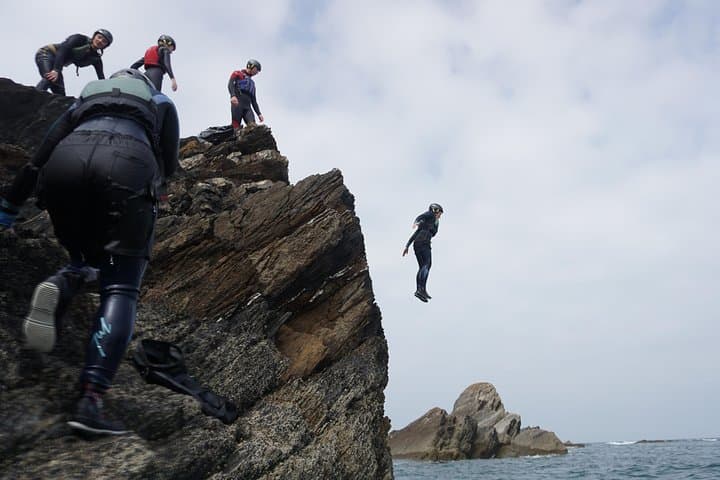
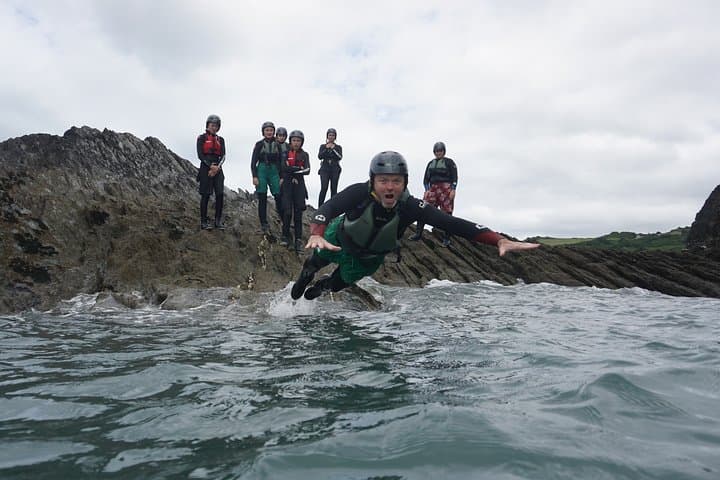
Salt air stings your face as you pick a line along a band of jagged rock; the sea below tests you with each swell, daring you to step, jump, swim. In North Devon the coastline is kinetic — cliffs drop into white water, rock gullies funnel the tide, and secret caves open like short, dark rooms cut into the headland.
Verified experiences and guided adventures in the surrounding area.
Operated by Coastal Adventures Ltd · Westward Ho!, Devon
Salt air stings your face as you pick a line along a band of jagged rock; the sea below tests you with each swell, daring you to step, jump, swim. In North Devon the coastline is kinetic — cliffs drop into white water, rock gullies funnel the tide, and secret caves open like short, dark rooms cut into the headland.
The rocks here are Devonian in origin, folded and faulted over hundreds of millions of years, and those fractures create the routes coasteering parties use to traverse the shore. Historically these coves were used by fishermen and, occasionally, by smugglers; today the cliffs host a different kind of passage: guided adventure tailored to skill level, from cautious traverses to full-on jumps and the locally infamous "washing machine" surf run.
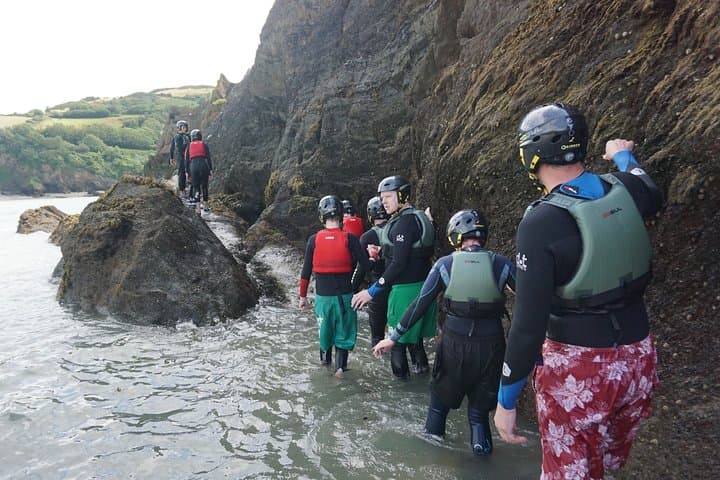
You’ll scramble, wade, and swim in neoprene — guides supply wetsuits, buoyancy aids and helmets — negotiating tidal gullies and low arches while learning to read the sea. Expect strong currents near narrow channels, slippery rock, and sudden drops; sightlines open to the Bristol Channel and, on clear days, the long arc of Exmoor.
Plan around tides and weather: low-to-mid tide gives better access to caves and ledges, while onshore winds can make jumps punchier. Wear sturdy water shoes, come fit enough for repeated swims and climbs, and book a private session if you need a gentler progression. Bring a dry change of clothes and a warm layer for afterward — the Atlantic rarely lets you dry quickly. Listen to your guide, respect the timing of the tide, and the coast will give you explosive, water-driven terrain you won’t forget.
moderate.
2–3 hours.
Require a moderate level of fitness: comfortable swimming in sea conditions, able to scramble on uneven, slippery rock and tolerate repeated climbs and short swims.
Yes — operators require participants to be comfortable in the sea and able to swim; buoyancy aids help, but you must be able to manage short open-water swims.
Typical inclusions are a wetsuit, buoyancy aid, helmet, guide and often provided footwear or advice on suitable shoes; confirm with the operator for bespoke or private sessions.
Absolutely — sessions are often tailored to your comfort level: guides will offer alternatives like scrambling routes or easier water entries instead of jumps.
Operators monitor conditions and will cancel or reschedule if the sea state, tides or wind make the activity unsafe; always check the cancellation policy and local forecast.
North Devon’s coastline formed during the Devonian period and later hosted fishing communities and occasional smuggling activity; the rugged cliffs shaped local livelihoods for centuries.
Stick to marked access points, avoid bird-nesting ledges in spring, and take all rubbish away; guided groups help reduce erosion by following low-impact beach entry and exit routes.
Coastal Adventures Ltd operates guided outdoor trips and adventures with an emphasis on safety, stewardship, and memorable experiences.

Salt air stings your face as you pick a line along a band of jagged rock; the sea below tests you with each swell, daring you to step, jump, swim. In North Devon the coastline is kinetic — cliffs drop into white water, rock gullies funnel the tide, and secret caves open like short, dark rooms cut into the headland.
Salt air stings your face as you pick a line along a band of jagged rock; the sea below tests you with each swell, daring you to step, jump, swim. In North Devon the coastline is kinetic — cliffs drop into white water, rock gullies funnel the tide, and secret caves open like short, dark rooms cut into the headland.
The rocks here are Devonian in origin, folded and faulted over hundreds of millions of years, and those fractures create the routes coasteering parties use to traverse the shore. Historically these coves were used by fishermen and, occasionally, by smugglers; today the cliffs host a different kind of passage: guided adventure tailored to skill level, from cautious traverses to full-on jumps and the locally infamous "washing machine" surf run.
You’ll scramble, wade, and swim in neoprene — guides supply wetsuits, buoyancy aids and helmets — negotiating tidal gullies and low arches while learning to read the sea. Expect strong currents near narrow channels, slippery rock, and sudden drops; sightlines open to the Bristol Channel and, on clear days, the long arc of Exmoor.
Plan around tides and weather: low-to-mid tide gives better access to caves and ledges, while onshore winds can make jumps punchier. Wear sturdy water shoes, come fit enough for repeated swims and climbs, and book a private session if you need a gentler progression. Bring a dry change of clothes and a warm layer for afterward — the Atlantic rarely lets you dry quickly. Listen to your guide, respect the timing of the tide, and the coast will give you explosive, water-driven terrain you won’t forget.