THE ADVENTURE COLLECTIVE® · Independent discovery and booking for outdoor travel

Explore Gran Canaria’s raw northern edge on a day that mixes plantation history, sheltered rock-pool snorkeling and a west-coast sunset at Faro de Sardina. Practical route notes and what to pack for a 7–10 hour coastal adventure.
Explore Gran Canaria’s raw northern edge on a day that mixes plantation history, sheltered rock-pool snorkeling and a west-coast sunset at Faro de Sardina. Practical route notes and what to pack for a 7–10 hour coastal adventure.
The morning air on Gran Canaria’s northern shore tastes of salt and basalt; waves throw themselves at black cliffs as the coast guides you from sugarcane plantations to sheltered rock pools.
Verified experiences and guided adventures in the surrounding area.
The morning air on Gran Canaria’s northern shore tastes of salt and basalt; waves throw themselves at black cliffs as the coast guides you from sugarcane plantations to sheltered rock pools.
You begin among cultivated terraces and small coastal farms—an introduction to the island’s agricultural history shaped by Spanish and Canarian traditions and the winds that once steered trade ships. Geologically the north is older, carved by lava flows and later scoured by the Atlantic, creating uneven cliffs, black sand pockets and natural pools where the ocean slips in and out like a living clock.
Culturally, villages here keep a quieter pace than the southern resorts: fishermen mend nets on concrete jetties and local bakeries sell palm honey pastries that speak to a mixed indigenous and colonial past. Wildlife is modest but present—gulls wheel and, offshore, seals and small schools of fish animate the shallows you’ll snorkel.
Practically, the day is paced: short walks on uneven rock, a guided snorkel in sheltered salt pools, a plantation stop for tasting local produce, and a sunset on the Faro de Sardina headland with Teide slashed on the horizon. Expect rocky terrain, intermittent stairs, and periods in the sun.
Bring reef-safe sunscreen, sturdy water shoes for the pools, and a light wind layer for evening. Hydrate between stops; the tour is long—plan for 7–10 hours with casual to moderate activity. Timing your swim for calmer seas increases visibility—when the Atlantic calms, the shorelets reveal clear pockets of life that reward the small effort of slipping over the rock edge.
moderate.
7–10 hours.
Comfortable for anyone who can handle several short hikes, standing on uneven rock, and a 20–40 minute guided snorkel; moderate stamina required.
Basic snorkeling comfort is required—if you can float and clear a snorkel you’ll be fine; guides offer a short briefing and supervised zones.
Most operators supply or rent basic snorkel kits; wetsuit availability varies, so check in advance if you prefer one for cooler waters.
Children who are confident swimmers and accompanied by an adult can join, but expect uneven terrain and long travel stretches—confirm age limits with the operator.
A west-facing headland with open ocean views where winds strengthen at dusk; it’s an excellent photo spot with Tenerife’s Teide visible on clear days.
The north coast’s settlements grew around fishing and terraced farming; volcanic soils and trade winds shaped a distinct rural culture separate from the island’s tourist south.
Stick to marked paths and avoid stepping on algal beds in rock pools; using reef‑safe sunscreen and following guide instructions reduces impact on fragile intertidal life.
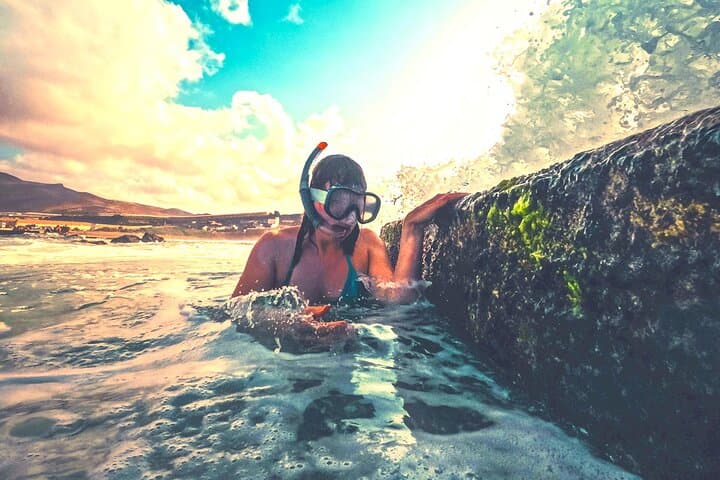
The morning air on Gran Canaria’s northern shore tastes of salt and basalt; waves throw themselves at black cliffs as the coast guides you from sugarcane plantations to sheltered rock pools.
The morning air on Gran Canaria’s northern shore tastes of salt and basalt; waves throw themselves at black cliffs as the coast guides you from sugarcane plantations to sheltered rock pools.
You begin among cultivated terraces and small coastal farms—an introduction to the island’s agricultural history shaped by Spanish and Canarian traditions and the winds that once steered trade ships. Geologically the north is older, carved by lava flows and later scoured by the Atlantic, creating uneven cliffs, black sand pockets and natural pools where the ocean slips in and out like a living clock.
Culturally, villages here keep a quieter pace than the southern resorts: fishermen mend nets on concrete jetties and local bakeries sell palm honey pastries that speak to a mixed indigenous and colonial past. Wildlife is modest but present—gulls wheel and, offshore, seals and small schools of fish animate the shallows you’ll snorkel.
Practically, the day is paced: short walks on uneven rock, a guided snorkel in sheltered salt pools, a plantation stop for tasting local produce, and a sunset on the Faro de Sardina headland with Teide slashed on the horizon. Expect rocky terrain, intermittent stairs, and periods in the sun.
Bring reef-safe sunscreen, sturdy water shoes for the pools, and a light wind layer for evening. Hydrate between stops; the tour is long—plan for 7–10 hours with casual to moderate activity. Timing your swim for calmer seas increases visibility—when the Atlantic calms, the shorelets reveal clear pockets of life that reward the small effort of slipping over the rock edge.