THE ADVENTURE COLLECTIVE® · Independent discovery and booking for outdoor travel

A short, scenic boat trip from Rabo de Peixe takes you to the tuff cones, sea arches and coastal caves of Capelas, with a stop to swim in clear Atlantic water and hear the area’s whaling history from local guides.
A short, scenic boat trip from Rabo de Peixe takes you to the tuff cones, sea arches and coastal caves of Capelas, with a stop to swim in clear Atlantic water and hear the area’s whaling history from local guides.
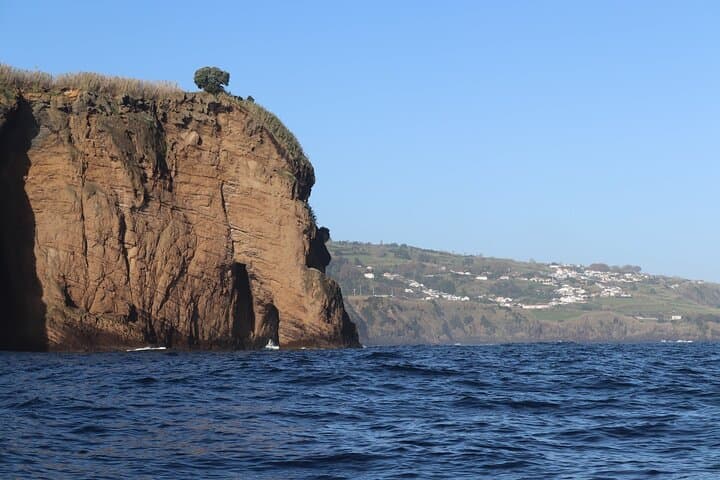
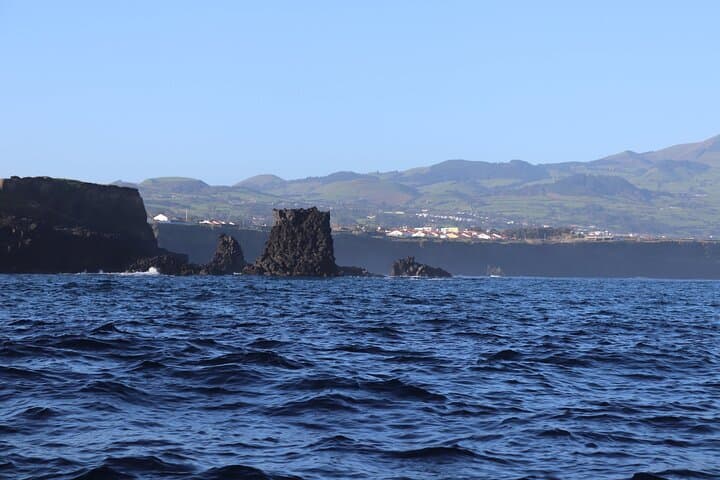
The bow parts a glassy patch of Atlantic and the island rises: dark basalt cliffs punctured by arches, caves and the cone of tuff known as Morro das Capelas. From Rabo de Peixe you’ll step aboard for a two-hour coastal circuit that trades long hikes for up-close geology and salt spray.
Verified experiences and guided adventures in the surrounding area.
Operated by Seascape |Sharing Experiences · Rabo de Peixe, Azores
The bow parts a glassy patch of Atlantic and the island rises: dark basalt cliffs punctured by arches, caves and the cone of tuff known as Morro das Capelas. From Rabo de Peixe you’ll step aboard for a two-hour coastal circuit that trades long hikes for up-close geology and salt spray.
Capelas sits on the island’s volcanic north flank. The Morro das Capelas geosite is a submarine tuff cone—layers of ash and lava welded by a past eruption—now sculpted by wave action into arches and sea caves. Nearby Buraco de São Pedro is a dramatic hole pierced through lava-tuff along the shoreline. The tour pauses where whaling once supported island livelihoods; rusted slipways and old whale-processing sites remain visible from the water, a reminder of shifting local economies toward fisheries and tourism.
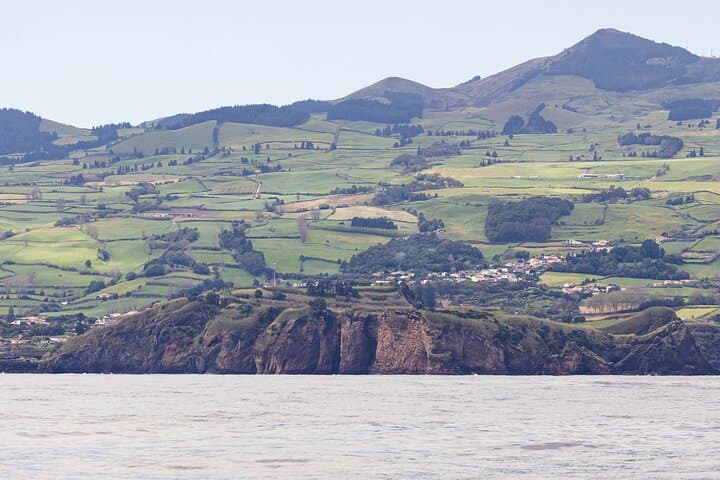
Expect bright, mineral-rich cliffs, black sand beaches in the distance and shoals where dolphins sometimes trail the boat. Guides combine geology with local stories: fishing practices, how the tuff cones formed offshore, and the ecological recovery after whaling.
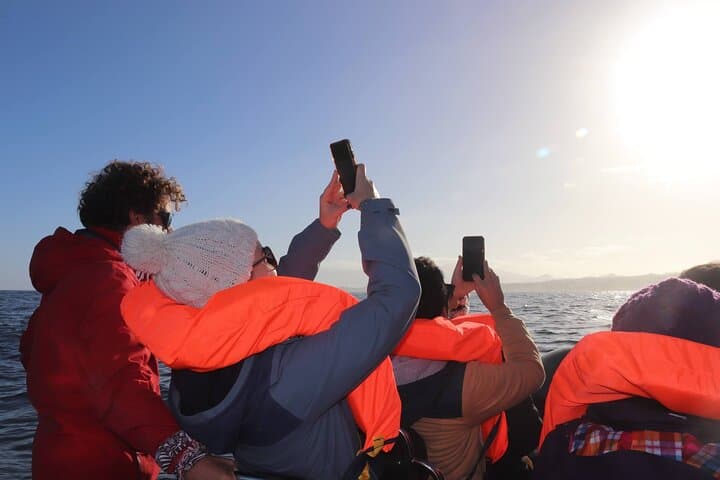
Practical notes: departures are typically mid-morning, last about two hours, and include life jackets, briefing, and a short swim stop in sheltered bays. Wear non-slip shoes, bring a windproof layer and quick-dry swimwear, and keep a waterproof phone pocket for photos. Weather can turn fast on the north coast—book mornings for calmer seas and carry motion-sickness remedies if you’re prone to rolling seas.
easy.
2 hours.
Suitable for most fitness levels—requires basic mobility to step on/off a small boat and short swims if participating
The tour lasts about two hours with typical departures in the morning; exact times are provided at booking and during the briefing.
There’s a supervised swim stop in a sheltered bay; life jackets are provided and guides assess conditions before allowing anyone to enter the water.
Yes—infants can ride in strollers and must sit on an adult’s lap; operators advise supervising children closely during boarding and swimming.
Trips may be canceled for safety; operators offer refunds if canceled within the stated policy or reschedule when possible.
Capelas’ shoreline preserves traces of a 19th–20th century whaling economy; processing platforms and place names still reflect that past.
Operators emphasize low-impact approaches—using life jackets, avoiding cliff landings and respecting marine life to minimize disturbance.
Seascape |Sharing Experiences operates guided outdoor trips and adventures with an emphasis on safety, stewardship, and memorable experiences.
The bow parts a glassy patch of Atlantic and the island rises: dark basalt cliffs punctured by arches, caves and the cone of tuff known as Morro das Capelas. From Rabo de Peixe you’ll step aboard for a two-hour coastal circuit that trades long hikes for up-close geology and salt spray.
The bow parts a glassy patch of Atlantic and the island rises: dark basalt cliffs punctured by arches, caves and the cone of tuff known as Morro das Capelas. From Rabo de Peixe you’ll step aboard for a two-hour coastal circuit that trades long hikes for up-close geology and salt spray.
Capelas sits on the island’s volcanic north flank. The Morro das Capelas geosite is a submarine tuff cone—layers of ash and lava welded by a past eruption—now sculpted by wave action into arches and sea caves. Nearby Buraco de São Pedro is a dramatic hole pierced through lava-tuff along the shoreline. The tour pauses where whaling once supported island livelihoods; rusted slipways and old whale-processing sites remain visible from the water, a reminder of shifting local economies toward fisheries and tourism.
Expect bright, mineral-rich cliffs, black sand beaches in the distance and shoals where dolphins sometimes trail the boat. Guides combine geology with local stories: fishing practices, how the tuff cones formed offshore, and the ecological recovery after whaling.
Practical notes: departures are typically mid-morning, last about two hours, and include life jackets, briefing, and a short swim stop in sheltered bays. Wear non-slip shoes, bring a windproof layer and quick-dry swimwear, and keep a waterproof phone pocket for photos. Weather can turn fast on the north coast—book mornings for calmer seas and carry motion-sickness remedies if you’re prone to rolling seas.