THE ADVENTURE COLLECTIVE® · Independent discovery and booking for outdoor travel

Walk through St. Augustine’s North City cemeteries with a local guide who mixes documented history with neighborhood lore. This 90–120 minute tour explores old streets, family plots, and the social history written across headstones.
Walk through St. Augustine’s North City cemeteries with a local guide who mixes documented history with neighborhood lore. This 90–120 minute tour explores old streets, family plots, and the social history written across headstones.
You step off a shaded brick street into a pocket of quiet the city keeps for the dead: low headstones, moss-draped oaks, and the occasional gull cry from the nearby coast. The air has the salt-sweet edge of the inlet; the cemetery grounds draw you forward, as if the city itself is guiding your pace.
Verified experiences and guided adventures in the surrounding area.
Operated by Early Haunts · St. Augustine, Florida
You step off a shaded brick street into a pocket of quiet the city keeps for the dead: low headstones, moss-draped oaks, and the occasional gull cry from the nearby coast. The air has the salt-sweet edge of the inlet; the cemetery grounds draw you forward, as if the city itself is guiding your pace.
This north-side walk traces St. Augustine’s layered past — colonial foundations, 19th-century commercial booms, and the scars of early pandemics recorded in family plots. Guides point to architecture and ownership patterns that speak to gender and class in the 1800s, and to local legends, including tales of a long‑reported young woman whose appearances are part oral history, part civic lore. Geology is simple here: coastal flatlands, sandy soils that settle around graves and cobbles that tilt underfoot. The cultural frame is equally tangible — Spanish, British and American eras overlap in street names, house facades, and burial records.
Practical guidance: this is a walking tour of uneven lawns, divots and old streets. Expect 90–120 minutes on foot at a steady group pace; wear supportive footwear and bring water and a charged phone for photos. Respect grave markers and stay on designated paths. The guide may use dowsing rods or encourage photo‑capture for those intrigued by the paranormal, but the experience is grounded in local history and memory as much as mystery.
Best times are early evening or late afternoon light for photos and cooler temperatures. If you want quieter moments, choose a weekday slot and arrive early to orient yourself before the group moves on.
easy.
1.5–2 hours.
Suitable for most adults who can walk steadily for up to two hours on uneven surfaces.
No — the itinerary focuses on documented history, cemetery tours, and local legends; actual ghost sightings are rare and not guaranteed.
The tour is listed as wheelchair accessible, but guests should expect uneven surfaces and should check accessibility needs with the operator in advance.
Service animals are allowed and the operator notes dogs are welcome; keep pets leashed and under control on lawns and streets.
Comfortable, closed-toe shoes and weather-appropriate layers; sunscreen and insect repellent are advisable in warmer months.
The north cemetery reflects St. Augustine’s long colonial lineage and 19th-century growth, with plots that include victims of early pandemics and markers tied to changing civic ownership patterns.
These grounds require respectful visitation: stay on paths, do not remove artifacts, and avoid disturbing plantings — preservation relies on low-impact use.
Early Haunts operates guided outdoor trips and adventures with an emphasis on safety, stewardship, and memorable experiences.
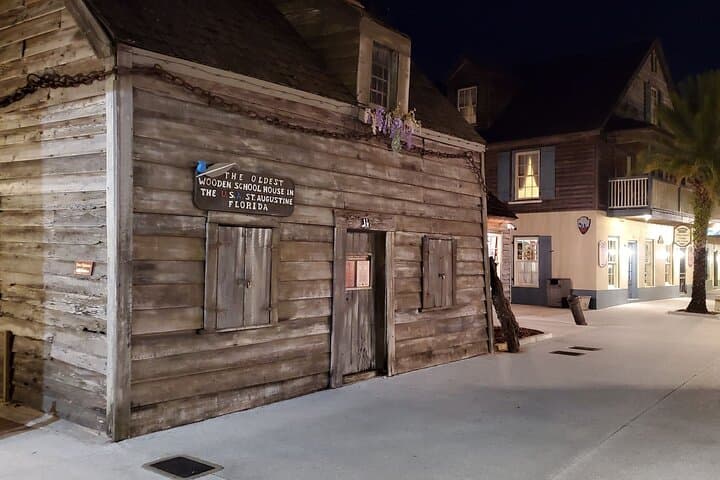
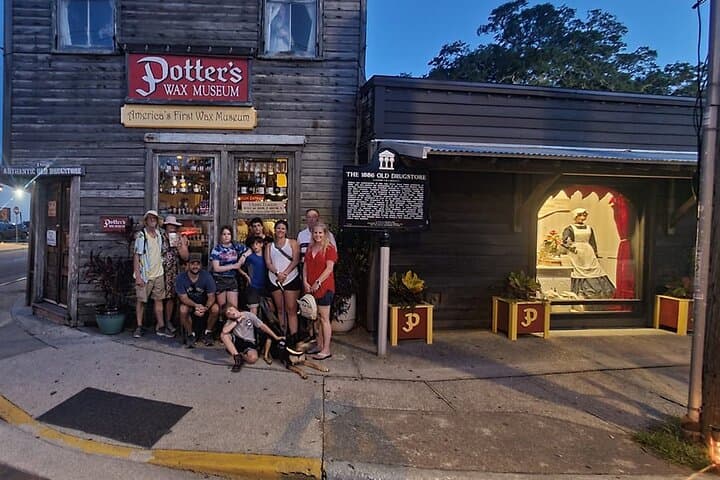
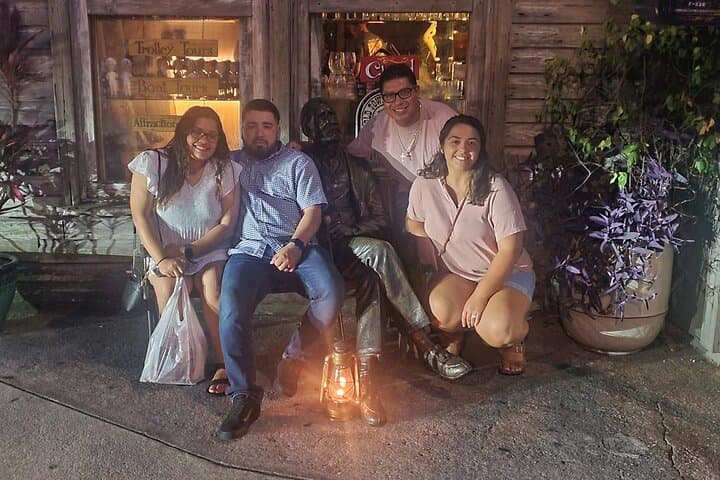
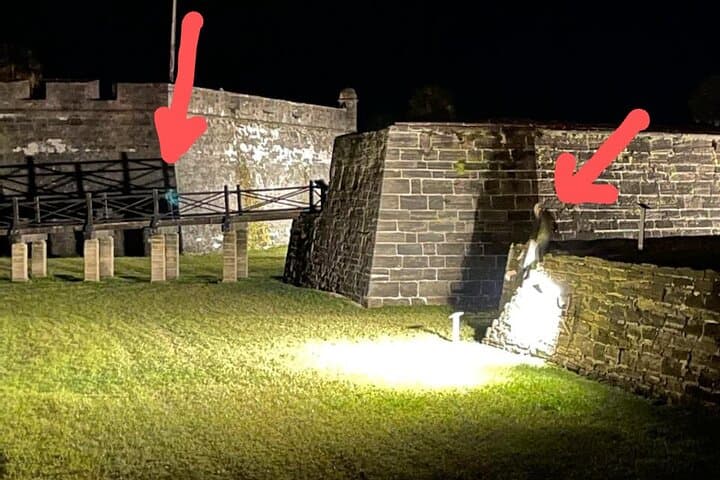
You step off a shaded brick street into a pocket of quiet the city keeps for the dead: low headstones, moss-draped oaks, and the occasional gull cry from the nearby coast. The air has the salt-sweet edge of the inlet; the cemetery grounds draw you forward, as if the city itself is guiding your pace.
You step off a shaded brick street into a pocket of quiet the city keeps for the dead: low headstones, moss-draped oaks, and the occasional gull cry from the nearby coast. The air has the salt-sweet edge of the inlet; the cemetery grounds draw you forward, as if the city itself is guiding your pace.
This north-side walk traces St. Augustine’s layered past — colonial foundations, 19th-century commercial booms, and the scars of early pandemics recorded in family plots. Guides point to architecture and ownership patterns that speak to gender and class in the 1800s, and to local legends, including tales of a long‑reported young woman whose appearances are part oral history, part civic lore. Geology is simple here: coastal flatlands, sandy soils that settle around graves and cobbles that tilt underfoot. The cultural frame is equally tangible — Spanish, British and American eras overlap in street names, house facades, and burial records.
Practical guidance: this is a walking tour of uneven lawns, divots and old streets. Expect 90–120 minutes on foot at a steady group pace; wear supportive footwear and bring water and a charged phone for photos. Respect grave markers and stay on designated paths. The guide may use dowsing rods or encourage photo‑capture for those intrigued by the paranormal, but the experience is grounded in local history and memory as much as mystery.
Best times are early evening or late afternoon light for photos and cooler temperatures. If you want quieter moments, choose a weekday slot and arrive early to orient yourself before the group moves on.