THE ADVENTURE COLLECTIVE® · Independent discovery and booking for outdoor travel

Trade desert slots for mossy granite and glacier-fed flows on a full-day canyoneering trip in the North Cascades. Expect wet rappels, route-finding through boulder gardens, and technical moves in a high-energy alpine river canyon.
Trade desert slots for mossy granite and glacier-fed flows on a full-day canyoneering trip in the North Cascades. Expect wet rappels, route-finding through boulder gardens, and technical moves in a high-energy alpine river canyon.
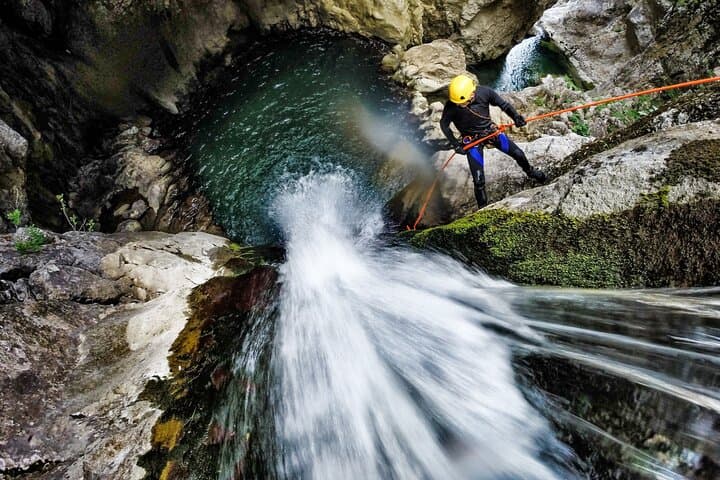
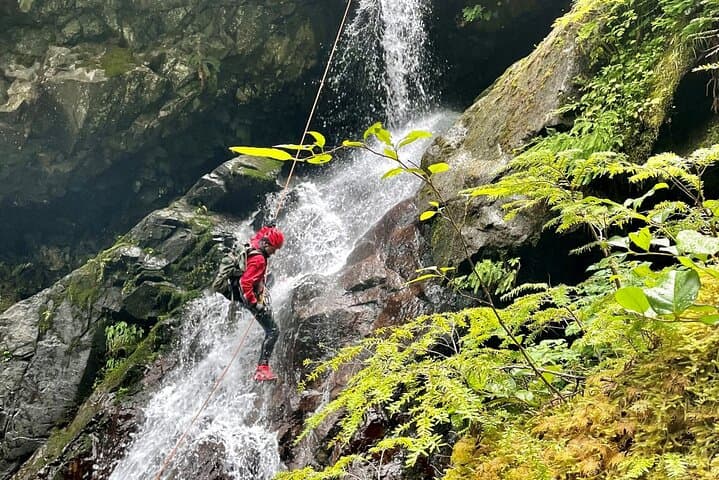
A cool mist rises off a plunging ribbon of water as you clip into a rappel line and feel the canyon breathe around you — damp rock, the scrape of harness webbing, and the distant rumble of a glacier-fed creek daring you onward.
Verified experiences and guided adventures in the surrounding area.
Operated by Get In The Wild Adventures · Marblemount, WA
A cool mist rises off a plunging ribbon of water as you clip into a rappel line and feel the canyon breathe around you — damp rock, the scrape of harness webbing, and the distant rumble of a glacier-fed creek daring you onward.
This canyoneering day in the North Cascades trades redrock exposure for tight, forested granite slots, fern-slick ledges and sudden drop-offs carved by ice and seasonal floods. Geologically, the range is a collage of uplifted metamorphic and granitic bodies scoured by Pleistocene ice; the waterfalls you descend are recent arrivals on deeper, older bedrock. Indigenous Coast Salish and Nlaka'pamux people traveled these valleys for resources and routes long before the logging and mining era that reshaped lower elevations.
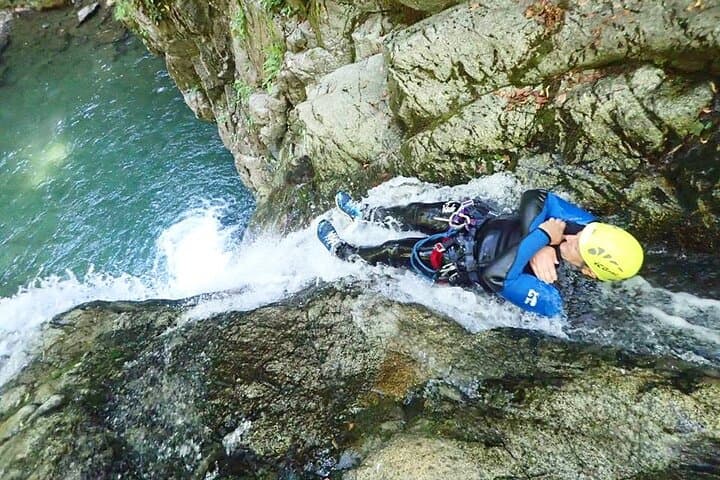
Expect wet rappels of 20–60 feet, route-finding through boulder gardens, and technical moves on moss-coated stone. Water temp and flow change through the day as snowmelt swells creeks; birds and occasional mountain goats share the quiet. Guides focus on rope technique, anchor redundancy and Leave No Trace practices in this fragile alpine-river environment.
Practicalities: trips run about eight hours from a regional trailhead. Footwear with aggressive tread, a comfortable harness and helmet, and waterproof layers are essential. Start early to avoid afternoon run-off and to lock in calmer flows. Hydrate frequently: cold water and hard exertion hide dehydration. For fit, bring scrambling confidence and a willingness to get wet — the canyon rewards care with memorable rappels and shimmering pools.
challenging.
8 hours.
Good aerobic fitness and leg strength for extended scrambling, rappelling and carrying gear; comfortable with exposure.
No prior canyoneering experience is required, but you must be physically fit, comfortable with exposure and able to follow rope-team instructions.
Flows are glacier- and snowmelt-fed; even in summer, water can be very cold — expect temperatures that require quick-dry layers and possible neoprene in spring.
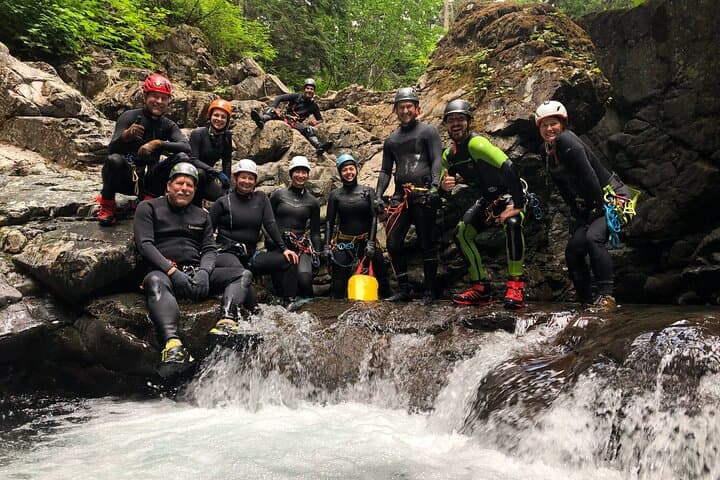
Guided groups typically range 6–12 participants with guide-to-guest ratios of about 1:6 for safety during technical sections and rappels.
Permits may be required for certain trailheads or backcountry access within National Park or Forest lands; guides usually handle permits for guided trips.
The North Cascades bear traces of Indigenous travel corridors and seasonal use; later logging and mining shaped the lower valleys before federal protections expanded in the 20th century.
This is a sensitive alpine-riparian zone — practice Leave No Trace, pack out all gear and follow guide instructions to minimize anchor and vegetation impact.
Get In The Wild Adventures operates guided outdoor trips and adventures with an emphasis on safety, stewardship, and memorable experiences.
A cool mist rises off a plunging ribbon of water as you clip into a rappel line and feel the canyon breathe around you — damp rock, the scrape of harness webbing, and the distant rumble of a glacier-fed creek daring you onward.
A cool mist rises off a plunging ribbon of water as you clip into a rappel line and feel the canyon breathe around you — damp rock, the scrape of harness webbing, and the distant rumble of a glacier-fed creek daring you onward.
This canyoneering day in the North Cascades trades redrock exposure for tight, forested granite slots, fern-slick ledges and sudden drop-offs carved by ice and seasonal floods. Geologically, the range is a collage of uplifted metamorphic and granitic bodies scoured by Pleistocene ice; the waterfalls you descend are recent arrivals on deeper, older bedrock. Indigenous Coast Salish and Nlaka'pamux people traveled these valleys for resources and routes long before the logging and mining era that reshaped lower elevations.
Expect wet rappels of 20–60 feet, route-finding through boulder gardens, and technical moves on moss-coated stone. Water temp and flow change through the day as snowmelt swells creeks; birds and occasional mountain goats share the quiet. Guides focus on rope technique, anchor redundancy and Leave No Trace practices in this fragile alpine-river environment.
Practicalities: trips run about eight hours from a regional trailhead. Footwear with aggressive tread, a comfortable harness and helmet, and waterproof layers are essential. Start early to avoid afternoon run-off and to lock in calmer flows. Hydrate frequently: cold water and hard exertion hide dehydration. For fit, bring scrambling confidence and a willingness to get wet — the canyon rewards care with memorable rappels and shimmering pools.