THE ADVENTURE COLLECTIVE® · Independent discovery and booking for outdoor travel

Stand on the northern edge of continental Europe and move from wind-bent plateau to the sheltered North Cape Hall on a focused three-hour winter outing. This tour combines dramatic coastal views, cultural exhibits and easy access for most travelers.
Stand on the northern edge of continental Europe and move from wind-bent plateau to the sheltered North Cape Hall on a focused three-hour winter outing. This tour combines dramatic coastal views, cultural exhibits and easy access for most travelers.
A wind-scoured plateau rises out of the Arctic sea: the North Cape cliff stands flat and stark against a low winter sun, and the bronze globe marks the edge of continental Europe. On a three-hour winter tour, visitors move across this exposed ridge, where cold air sharpens the view and the ocean seems to push forward in whitecaps and ice floes.
Verified experiences and guided adventures in the surrounding area.
Operated by North Cape Tours · Honningsvåg, Troms og Finnmark
A wind-scoured plateau rises out of the Arctic sea: the North Cape cliff stands flat and stark against a low winter sun, and the bronze globe marks the edge of continental Europe. On a three-hour winter tour, visitors move across this exposed ridge, where cold air sharpens the view and the ocean seems to push forward in whitecaps and ice floes.
The North Cape Hall, carved into the mountain, bridges modern visitor services with regional history—exhibits cover Sámi culture, the wartime history of Finnmark and the geology of the Scandinavian Shield. The plateau itself is the remnant of glacial sculpting; hard gneiss and schist form the high, eroded escarpment that faces the Barents Sea.
Culturally, the cape has been a navigational landmark for seafarers for centuries and today draws photographers hunting low light, polar nights and the Northern Lights. Practicalities matter here: the tour is roughly 180 minutes, includes entrance to North Cape Hall and visits to the globe and chapel, and is accessible for most fitness levels. Expect strong winds, winter surfaces, and wide-open exposure—layers, sturdy boots, and a windproof shell will keep you comfortable.
Timing visits for clear weather increases the chance of expansive ocean vistas and aurora sightings; cloudy nights obscure them. Since the route is well-managed, basic accessibility and transport connections are available, but remote Arctic conditions can change plans quickly—allow flexibility in travel time and follow local guidance on clothing and timing.
easy.
3 hours.
Suitable for general fitness; minimal walking on mostly level surfaces but exposed conditions require stamina in cold weather
Yes—this tour includes entrance to North Cape Hall, the Cave of Lights and access to the upper-level restaurant and exhibits.
Temperatures commonly range from -10°C to 0°C (14°F to 32°F), but wind chill can make it feel much colder—dress in layers and windproof outerwear.
The tour notes indicate accessibility features and stroller access; however, some outdoor areas are exposed and may have slippery surfaces—ask the operator about specific accessibility needs.
Yes—during clear nights in winter the North Cape is a good location for aurora viewing, but sighting depends entirely on solar activity and cloud cover.
The North Cape has long been a maritime landmark and was part of strategic coastal routes; the Hall interprets both local Sámi ties and wartime history of Finnmark.
The plateau is a fragile Arctic environment—stay on designated paths, avoid disturbing bird colonies and follow local guidelines to minimize footprint.
North Cape Tours operates guided outdoor trips and adventures with an emphasis on safety, stewardship, and memorable experiences.
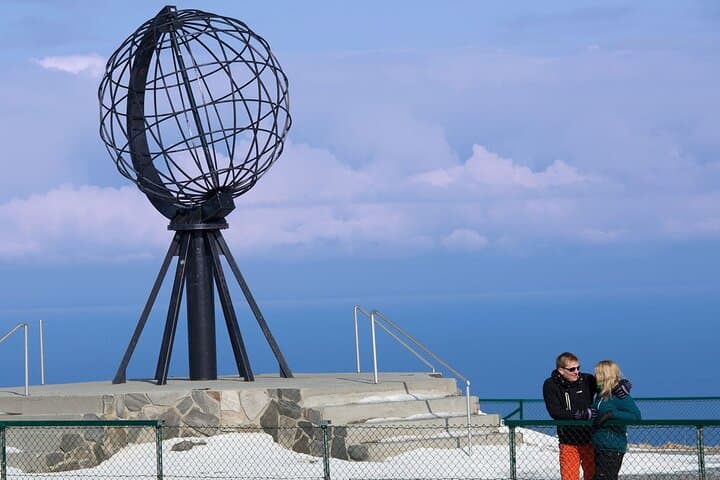
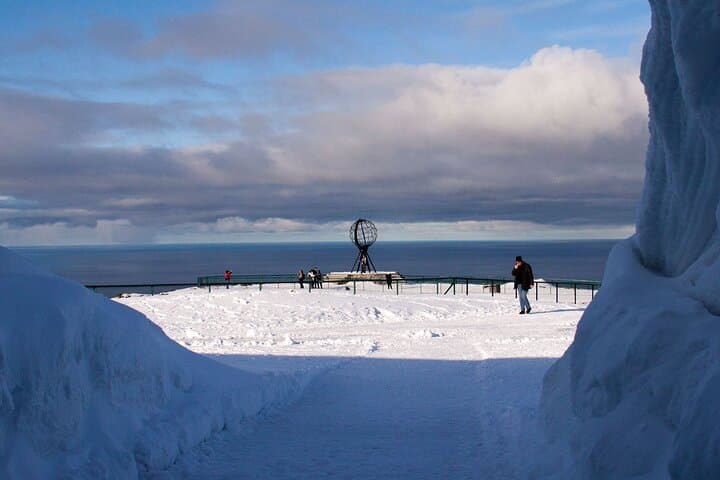
A wind-scoured plateau rises out of the Arctic sea: the North Cape cliff stands flat and stark against a low winter sun, and the bronze globe marks the edge of continental Europe. On a three-hour winter tour, visitors move across this exposed ridge, where cold air sharpens the view and the ocean seems to push forward in whitecaps and ice floes.
A wind-scoured plateau rises out of the Arctic sea: the North Cape cliff stands flat and stark against a low winter sun, and the bronze globe marks the edge of continental Europe. On a three-hour winter tour, visitors move across this exposed ridge, where cold air sharpens the view and the ocean seems to push forward in whitecaps and ice floes.
The North Cape Hall, carved into the mountain, bridges modern visitor services with regional history—exhibits cover Sámi culture, the wartime history of Finnmark and the geology of the Scandinavian Shield. The plateau itself is the remnant of glacial sculpting; hard gneiss and schist form the high, eroded escarpment that faces the Barents Sea.
Culturally, the cape has been a navigational landmark for seafarers for centuries and today draws photographers hunting low light, polar nights and the Northern Lights. Practicalities matter here: the tour is roughly 180 minutes, includes entrance to North Cape Hall and visits to the globe and chapel, and is accessible for most fitness levels. Expect strong winds, winter surfaces, and wide-open exposure—layers, sturdy boots, and a windproof shell will keep you comfortable.
Timing visits for clear weather increases the chance of expansive ocean vistas and aurora sightings; cloudy nights obscure them. Since the route is well-managed, basic accessibility and transport connections are available, but remote Arctic conditions can change plans quickly—allow flexibility in travel time and follow local guidance on clothing and timing.