THE ADVENTURE COLLECTIVE® · Independent discovery and booking for outdoor travel

Spend a full day exploring North Bali’s highland temples, UNESCO rice terraces, and a forested waterfall on this private tour. Expect short hikes, cultural stops, and changing weather as you move from lake shores to volcanic slopes.
Spend a full day exploring North Bali’s highland temples, UNESCO rice terraces, and a forested waterfall on this private tour. Expect short hikes, cultural stops, and changing weather as you move from lake shores to volcanic slopes.
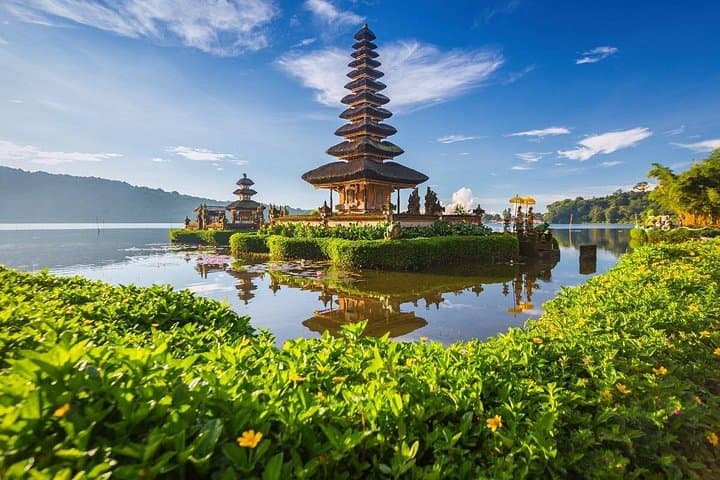
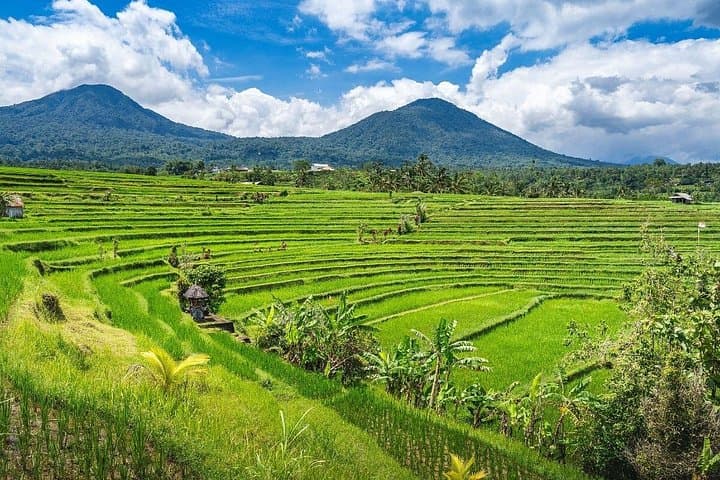
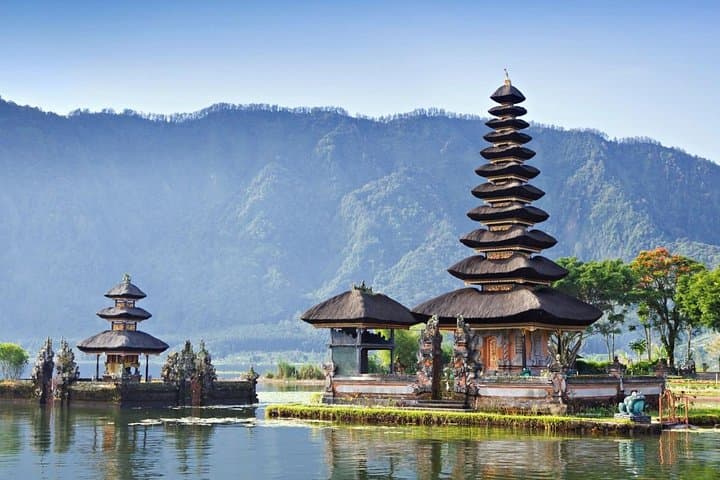
The morning air on the rim of Lake Beratan is cool and clear; mist lifts off the water and the multi-tiered shrines of Pura Ulun Danu Beratan seem to float as the road climbs into the highlands. From a driver’s window the landscape changes quickly—lotus ponds give way to mossy forest and then the broad green steps of rice terraces scooped into volcanic slopes.
Verified experiences and guided adventures in the surrounding area.
Operated by BALI COMEBACK · Bedugul, Bali
The morning air on the rim of Lake Beratan is cool and clear; mist lifts off the water and the multi-tiered shrines of Pura Ulun Danu Beratan seem to float as the road climbs into the highlands. From a driver’s window the landscape changes quickly—lotus ponds give way to mossy forest and then the broad green steps of rice terraces scooped into volcanic slopes.
This private full-day route threads together Bali’s religious and agricultural heritage. Ulun Danu is a 17th‑century water temple honoring the lake goddess and the island’s irrigation culture. Jatiluwih’s terraces sit higher on the slopes of Batukaru and showcase the subak system—centuries-old cooperative irrigation recognized by UNESCO. Banyumala, lower in a quiet valley, is framed by basalt cliffs and rainforest that hint at Bali’s volcanic past.
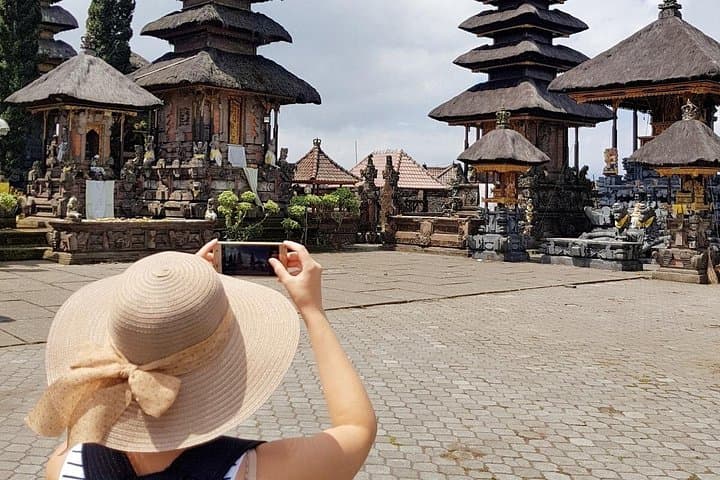
Culturally, expect Balinese Hindu rituals at temple sites and small roadside warungs serving strong coffee. Geologically, the area is the product of volcanic soils and seasonal streams that carve steep ravines and feed the rice fields.
Practicalities: this is a long day—plan 8–11 hours with multiple short walks, some steps and uneven trails. Bring cash for entrance fees, modest temple clothing (sarong and sash are often available or rentable), a swim kit for the waterfall, and sturdy shoes for muddy approaches. Hydrate and set aside time for photos—the Handara gate and rice panoramas are prime stops. Private transport makes the route flexible; purchase bottled water and snacks before you climb into the highland villages.
easy.
8–11 hours.
Suitable for travelers in average fitness; involves short walks, uneven terrain and some stairs; no sustained climbs.
The tour lasts about 8–11 hours with several short walks (10–30 minutes) at each stop, including steps at temples and a steeper path to Banyumala waterfall.
Some options include entrance fees; check your booking details — the driver can advise and you should carry cash for smaller entry points and extra purchases.
Yes, swimming is commonly done in the waterfall pool, but conditions vary—assess currents and slippery rocks and avoid swimming after heavy rain.
Yes—this private tour is flexible; discuss desired photo stops or extra time with your driver when you book or at pickup.
The subak irrigation system reflected at Jatiluwih is centuries old and rooted in Balinese Hindu philosophy, combining water management with ritual practice.
Jatiluwih and surrounding highlands are protected to preserve subak landscapes and freshwater sources; visitors are asked to avoid littering and to support local guides and vendors.
BALI COMEBACK operates guided outdoor trips and adventures with an emphasis on safety, stewardship, and memorable experiences.
The morning air on the rim of Lake Beratan is cool and clear; mist lifts off the water and the multi-tiered shrines of Pura Ulun Danu Beratan seem to float as the road climbs into the highlands. From a driver’s window the landscape changes quickly—lotus ponds give way to mossy forest and then the broad green steps of rice terraces scooped into volcanic slopes.
The morning air on the rim of Lake Beratan is cool and clear; mist lifts off the water and the multi-tiered shrines of Pura Ulun Danu Beratan seem to float as the road climbs into the highlands. From a driver’s window the landscape changes quickly—lotus ponds give way to mossy forest and then the broad green steps of rice terraces scooped into volcanic slopes.
This private full-day route threads together Bali’s religious and agricultural heritage. Ulun Danu is a 17th‑century water temple honoring the lake goddess and the island’s irrigation culture. Jatiluwih’s terraces sit higher on the slopes of Batukaru and showcase the subak system—centuries-old cooperative irrigation recognized by UNESCO. Banyumala, lower in a quiet valley, is framed by basalt cliffs and rainforest that hint at Bali’s volcanic past.
Culturally, expect Balinese Hindu rituals at temple sites and small roadside warungs serving strong coffee. Geologically, the area is the product of volcanic soils and seasonal streams that carve steep ravines and feed the rice fields.
Practicalities: this is a long day—plan 8–11 hours with multiple short walks, some steps and uneven trails. Bring cash for entrance fees, modest temple clothing (sarong and sash are often available or rentable), a swim kit for the waterfall, and sturdy shoes for muddy approaches. Hydrate and set aside time for photos—the Handara gate and rice panoramas are prime stops. Private transport makes the route flexible; purchase bottled water and snacks before you climb into the highland villages.