THE ADVENTURE COLLECTIVE® · Independent discovery and booking for outdoor travel

Spend a focused day tracing the U.S. role in D‑Day from Bayeux: visit Utah and Omaha beaches, climb Pointe du Hoc and see Sainte‑Mère‑Église with a knowledgeable English-speaking guide. Perfect for history-focused travelers who want a compact, respectful battlefield overview.
Spend a focused day tracing the U.S. role in D‑Day from Bayeux: visit Utah and Omaha beaches, climb Pointe du Hoc and see Sainte‑Mère‑Église with a knowledgeable English-speaking guide. Perfect for history-focused travelers who want a compact, respectful battlefield overview.
The bus eases out of Place Québec before 9:00 a.m., Bayeux’s stone facades sliding past as the Normandy coast opens into low, wind-scoured fields and the first salt tang of the Channel. Over eight hours you move from village lanes to wide sand and vertical cliffs—each stop built around a precise moment on D-Day when men landed, climbed and pushed inland.
Verified experiences and guided adventures in the surrounding area.
Operated by Ophorus · Bayeux, Normandy
The bus eases out of Place Québec before 9:00 a.m., Bayeux’s stone facades sliding past as the Normandy coast opens into low, wind-scoured fields and the first salt tang of the Channel. Over eight hours you move from village lanes to wide sand and vertical cliffs—each stop built around a precise moment on D-Day when men landed, climbed and pushed inland.
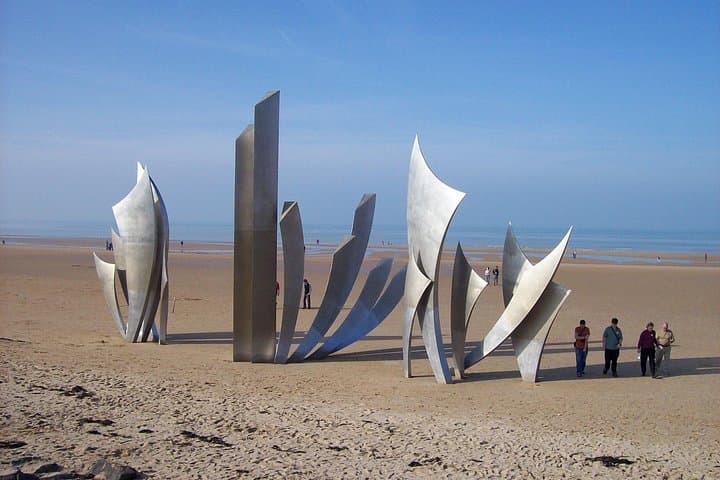
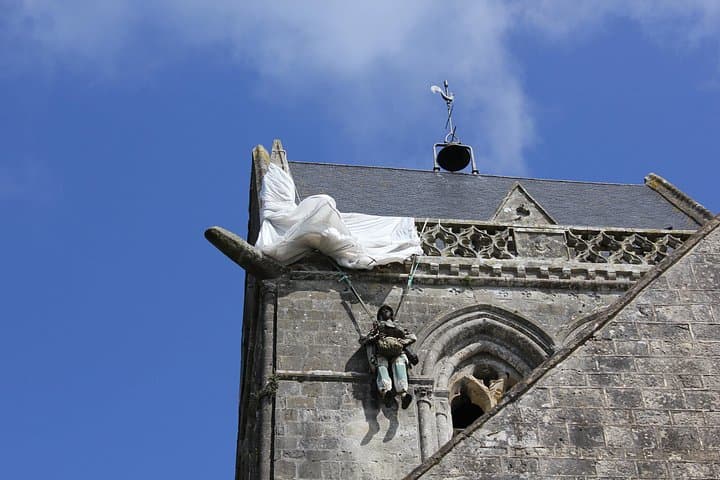
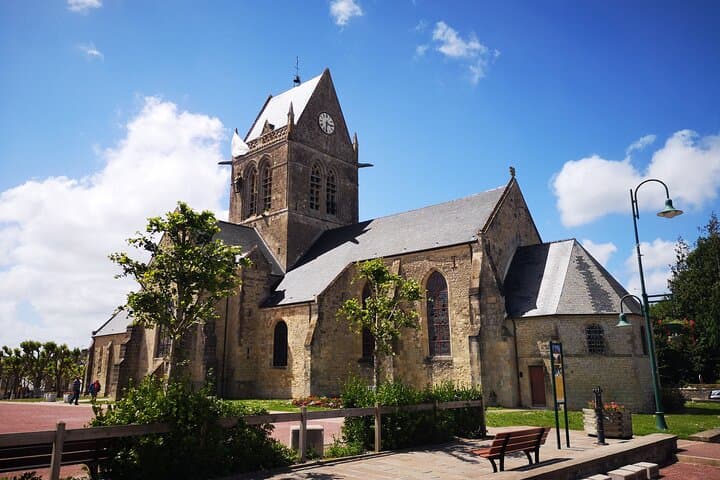
This route threads key 1944 sites: Sainte-Mère-Église, where paratroopers hit hedgerow country; Utah and Omaha beaches, long bands of sand where landing craft met seawalls and defensive emplacements; Pointe du Hoc, where U.S. Rangers scaled steep chalk cliffs to silence German guns. Geology matters here—the chalk and clay cliffs shape approaches and preserve scars of bunker concrete—and the region’s agricultural culture still reads in lined apple orchards and local small towns.
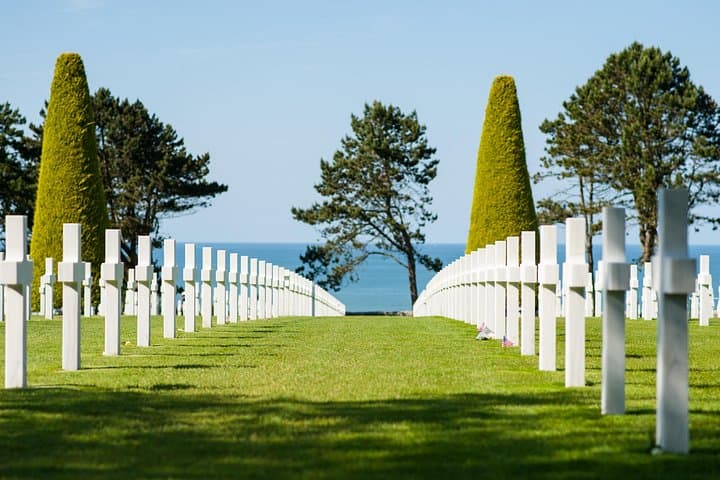
Practicalities shape the day. The tour is a small-group drive (max 19) with an English-speaking driver/guide, fixed 9:00–17:00 schedule, and short to moderate on-site walks—stairs and uneven ground at Pointe du Hoc and cemetery pathways. Carry layers for wind and rain, a low-profile daypack, water and respect: the American Cemetery requires quiet and no climbing on headstones. Lunch is independent near Pointe du Hoc; allow time for photography but be mindful of restricted areas. This itinerary suits anyone comfortable with multiple short walks and standing; it’s an efficient way to see the principal U.S. D-Day sites while learning the military and human stories that shaped them.
easy.
8 hours.
Light fitness: able to stand and walk short to moderate distances over uneven ground and steps.
The tour runs approximately 8 hours and departs from Place Québec in Bayeux at 9:00 a.m.; meet your guide 10 minutes early.
Some stops like certain museums may require separate admission; the itinerary includes guided visits to beaches and Pointe du Hoc but check the operator for specifics.
The tour is suitable for most ages but children under 4 are not allowed; some sites involve stairs and uneven terrain—wheelchair access is limited at cliff and beach sites.
Luggage is not required and pets are not allowed on the tour; travel light and store large bags in Bayeux before departure.
This coastline was the principal assault sector for Allied forces on D‑Day, 6 June 1944; sites preserve both strategic positions and individual stories of the landings.
Cliff erosion and foot traffic threaten fragile habitats and memorial grounds—stay on marked paths, pack out litter and follow site rules to protect historic fabric.
Ophorus operates guided outdoor trips and adventures with an emphasis on safety, stewardship, and memorable experiences.
The bus eases out of Place Québec before 9:00 a.m., Bayeux’s stone facades sliding past as the Normandy coast opens into low, wind-scoured fields and the first salt tang of the Channel. Over eight hours you move from village lanes to wide sand and vertical cliffs—each stop built around a precise moment on D-Day when men landed, climbed and pushed inland.
The bus eases out of Place Québec before 9:00 a.m., Bayeux’s stone facades sliding past as the Normandy coast opens into low, wind-scoured fields and the first salt tang of the Channel. Over eight hours you move from village lanes to wide sand and vertical cliffs—each stop built around a precise moment on D-Day when men landed, climbed and pushed inland.
This route threads key 1944 sites: Sainte-Mère-Église, where paratroopers hit hedgerow country; Utah and Omaha beaches, long bands of sand where landing craft met seawalls and defensive emplacements; Pointe du Hoc, where U.S. Rangers scaled steep chalk cliffs to silence German guns. Geology matters here—the chalk and clay cliffs shape approaches and preserve scars of bunker concrete—and the region’s agricultural culture still reads in lined apple orchards and local small towns.
Practicalities shape the day. The tour is a small-group drive (max 19) with an English-speaking driver/guide, fixed 9:00–17:00 schedule, and short to moderate on-site walks—stairs and uneven ground at Pointe du Hoc and cemetery pathways. Carry layers for wind and rain, a low-profile daypack, water and respect: the American Cemetery requires quiet and no climbing on headstones. Lunch is independent near Pointe du Hoc; allow time for photography but be mindful of restricted areas. This itinerary suits anyone comfortable with multiple short walks and standing; it’s an efficient way to see the principal U.S. D-Day sites while learning the military and human stories that shaped them.