THE ADVENTURE COLLECTIVE® · Independent discovery and booking for outdoor travel

Leave Paris at dawn for a 13‑hour, guide‑led journey across Normandy’s D‑Day beaches. Visit Omaha and Juno, stand at the Normandy American Cemetery, and explore coastal batteries with context-rich commentary—ideal for history-minded travelers ready for a long but accessible day trip.
Leave Paris at dawn for a 13‑hour, guide‑led journey across Normandy’s D‑Day beaches. Visit Omaha and Juno, stand at the Normandy American Cemetery, and explore coastal batteries with context-rich commentary—ideal for history-minded travelers ready for a long but accessible day trip.
You step onto the coach at first light, Paris shrinking behind the windows while the Normandy coast grows closer, the Channel’s wind already shaping the air. The beaches open up—long stretches of sand, battered concrete bunkers, and low bluffs that still hold the outline of hastily dug defenses. The sea seems to dare remembrance, its daily tides quietly erasing footprints but not what happened here.
Verified experiences and guided adventures in the surrounding area.
Operated by we share · Colleville-sur-Mer, Normandy
You step onto the coach at first light, Paris shrinking behind the windows while the Normandy coast grows closer, the Channel’s wind already shaping the air. The beaches open up—long stretches of sand, battered concrete bunkers, and low bluffs that still hold the outline of hastily dug defenses. The sea seems to dare remembrance, its daily tides quietly erasing footprints but not what happened here.
This full-day route moves through geography and history together: Omaha Beach and the nearby Colleville‑sur‑Mer cemetery, where rows of white markers face the English Channel; Juno Beach, marking Canada’s crucial role; and the intact gun emplacements at Longues‑sur‑Mer, a rare, tangible piece of coastal fortification. The region’s geology—sandy foreshore backed by clay and compacted shingle—frames the human story, while nearby Bayeux offers medieval continuity and local cider and Camembert for a late lunch.
Practicalities shape the day. Expect a 13‑hour round trip from Paris with several short walks along uneven sand and memorial steps; restrooms and small cafés are available at main stops but meals are typically not included. Wear sturdy walking shoes, layer for wind and sun, and allow time for quiet reflection at the cemetery—this is an emotional as well as educational excursion. Guides provide context that links maps to memory, making the landscape legible and the visit manageable for travelers of moderate fitness. Return to Paris at dusk with a clearer sense of why this shoreline still matters.
moderate.
13 hours.
Moderate fitness required: long day on feet with short walks on sand and steps; not suitable for low mobility without assistance.
No; the tour provides free time in Arromanches for lunch but meals and drinks are not included.
This tour departs from a central Paris meeting point; hotel pickup/drop‑off is not included—confirm the exact rendezvous when booking.
Many sites have uneven ground, sand, and steps; it is not recommended for travelers with spinal injuries or significant mobility restrictions.
Yes—visitors may photograph and pay respects, but observe quiet, stay on marked paths, and follow any site rules.
June 6, 1944 marked the Allied landings across multiple Normandy beaches; Colleville‑sur‑Mer American Cemetery contains over 9,000 interments and overlooks the landing zones.
These sites are preserved as historic landscapes; visitors should stick to paths and avoid disturbing fragile dune and bunker habitats to reduce erosion and wear.
we share operates guided outdoor trips and adventures with an emphasis on safety, stewardship, and memorable experiences.
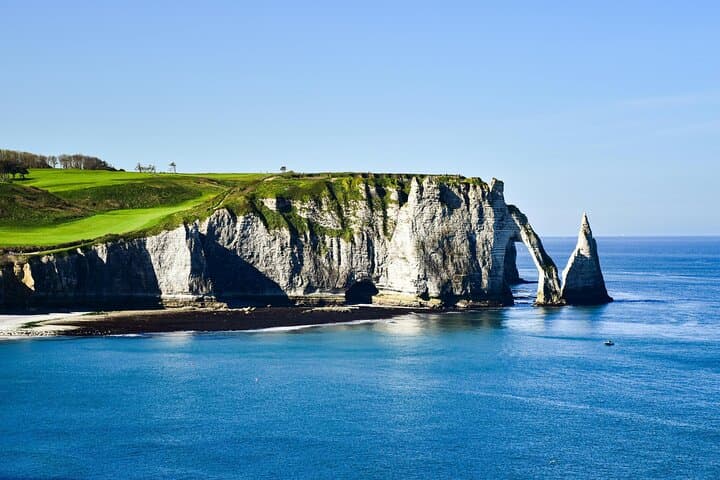
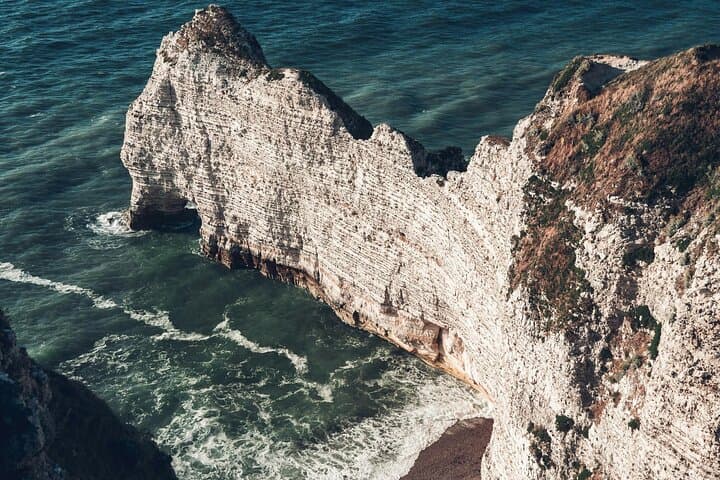
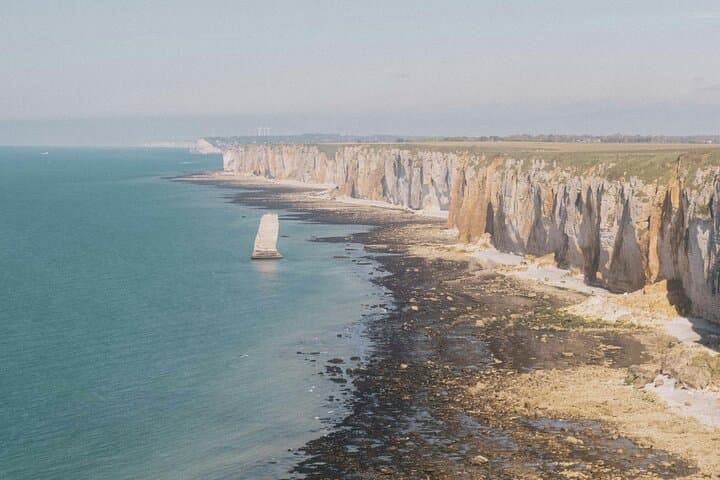
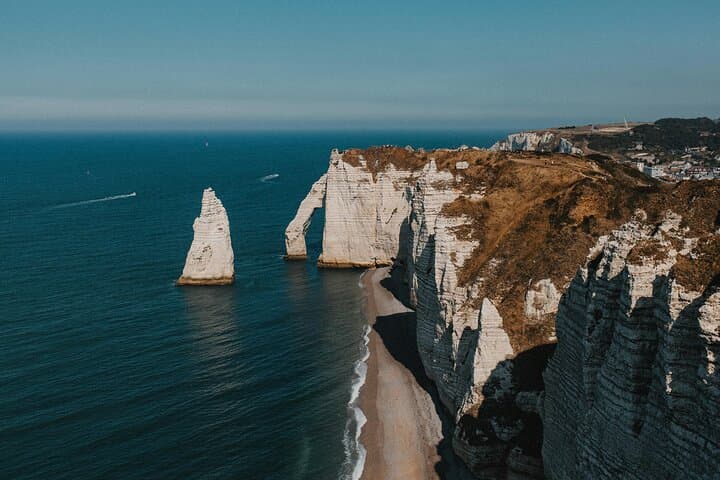
You step onto the coach at first light, Paris shrinking behind the windows while the Normandy coast grows closer, the Channel’s wind already shaping the air. The beaches open up—long stretches of sand, battered concrete bunkers, and low bluffs that still hold the outline of hastily dug defenses. The sea seems to dare remembrance, its daily tides quietly erasing footprints but not what happened here.
You step onto the coach at first light, Paris shrinking behind the windows while the Normandy coast grows closer, the Channel’s wind already shaping the air. The beaches open up—long stretches of sand, battered concrete bunkers, and low bluffs that still hold the outline of hastily dug defenses. The sea seems to dare remembrance, its daily tides quietly erasing footprints but not what happened here.
This full-day route moves through geography and history together: Omaha Beach and the nearby Colleville‑sur‑Mer cemetery, where rows of white markers face the English Channel; Juno Beach, marking Canada’s crucial role; and the intact gun emplacements at Longues‑sur‑Mer, a rare, tangible piece of coastal fortification. The region’s geology—sandy foreshore backed by clay and compacted shingle—frames the human story, while nearby Bayeux offers medieval continuity and local cider and Camembert for a late lunch.
Practicalities shape the day. Expect a 13‑hour round trip from Paris with several short walks along uneven sand and memorial steps; restrooms and small cafés are available at main stops but meals are typically not included. Wear sturdy walking shoes, layer for wind and sun, and allow time for quiet reflection at the cemetery—this is an emotional as well as educational excursion. Guides provide context that links maps to memory, making the landscape legible and the visit manageable for travelers of moderate fitness. Return to Paris at dusk with a clearer sense of why this shoreline still matters.