THE ADVENTURE COLLECTIVE® · Independent discovery and booking for outdoor travel

Swap Parisian boulevards for a full‑day private drive to Normandy’s refined coast. Visit Deauville’s iconic boardwalk and market, then step into Honfleur’s historic harbor and wooden church—perfect for food lovers, photographers, and relaxed coastal explorers.
Swap Parisian boulevards for a full‑day private drive to Normandy’s refined coast. Visit Deauville’s iconic boardwalk and market, then step into Honfleur’s historic harbor and wooden church—perfect for food lovers, photographers, and relaxed coastal explorers.
A low, briny wind greets you as the city grid gives way to open fields and then to the wide sweep of the English Channel. By late morning the plated promenade of Deauville appears—rows of painted beach huts, a long wooden boardwalk called Les Planches and the pale sand that made this 19th‑century resort fashionable with Parisian society.
Verified experiences and guided adventures in the surrounding area.
Operated by European Voyages · Honfleur, Normandy
A low, briny wind greets you as the city grid gives way to open fields and then to the wide sweep of the English Channel. By late morning the plated promenade of Deauville appears—rows of painted beach huts, a long wooden boardwalk called Les Planches and the pale sand that made this 19th‑century resort fashionable with Parisian society.
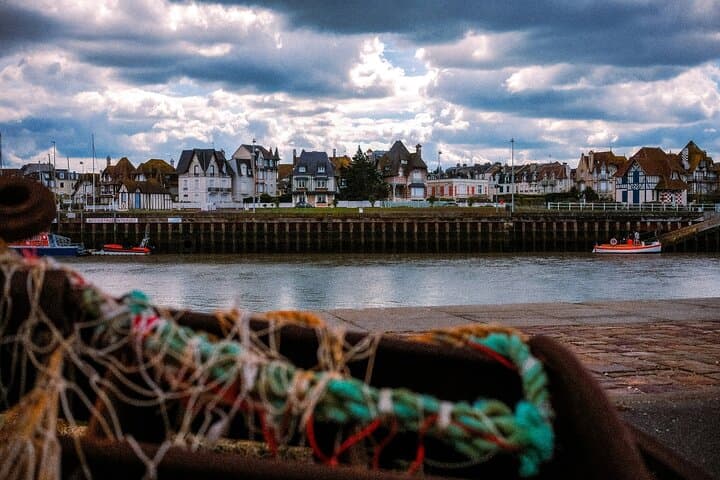
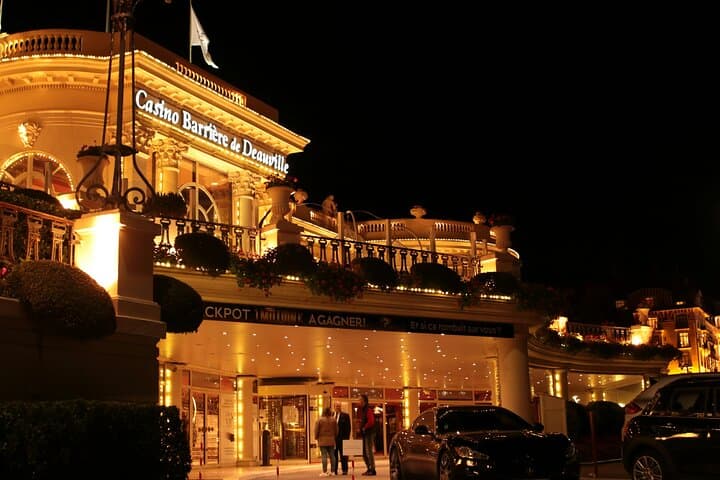
Deauville’s elegance is Belle Époque: casinos, horse racing, and seaside villas built when rail links and wealthy city dwellers turned the coast into a municipal stage. A short drive east, Honfleur keeps older tides—its Vieux Bassin cradles gaff‑rigged fishing boats against tight, timber‑framed houses. Saint Catherine’s Church, built by shipwrights from oak, shows how maritime craft shaped local architecture.
Geology here is modest but telling: sand and shingle beaches backed by promenades and low cliffs, the Channel’s grey water pushing shells and seaweed onto shore. The culture swings between market life—fresh seafood and cider stalls—and quiet gallery alleys along Rue de la Ville.
Practically: expect a long, full day (about 14 hours total including transit), with short, flat walks and cobblestones underfoot. Morning markets in Deauville or Honfleur are best for tasting regional cheese and baked goods; aim to arrive early to avoid crowds. Bring layered clothing against coastal wind, a comfortable walking shoe for cobbles, and a compact daypack for purchases. If you want a quieter visit, ask to linger in Honfleur at golden hour when the harbor calms and the light sharpens the wooden facades.
easy.
14 hours.
Suitable for people comfortable with light walking and standing; no sustained climbs.
Yes — private transportation from Paris is included; confirm your exact pickup location when booking.
No — entrance fees and meals are typically on your own unless the operator specifies otherwise.
Generally yes; the tour notes stroller accessibility, but cobblestones in Honfleur can be uneven—a stroller with larger wheels works best.
Expect short, easy walks around the boardwalk, market, and harbor—mostly flat but on cobbles and occasional steps.
Deauville rose to prominence in the late 1800s as a fashionable seaside resort; Honfleur has been a working port since medieval times and its wooden Saint Catherine’s Church reflects shipbuilding techniques.
Coastal dunes and small harbor ecosystems are sensitive—stick to marked paths, avoid disturbing nesting birds, and support local producers to benefit the community.
European Voyages operates guided outdoor trips and adventures with an emphasis on safety, stewardship, and memorable experiences.
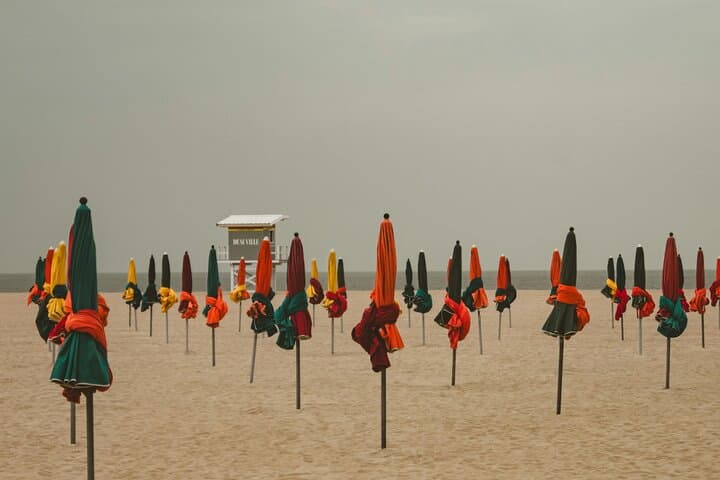
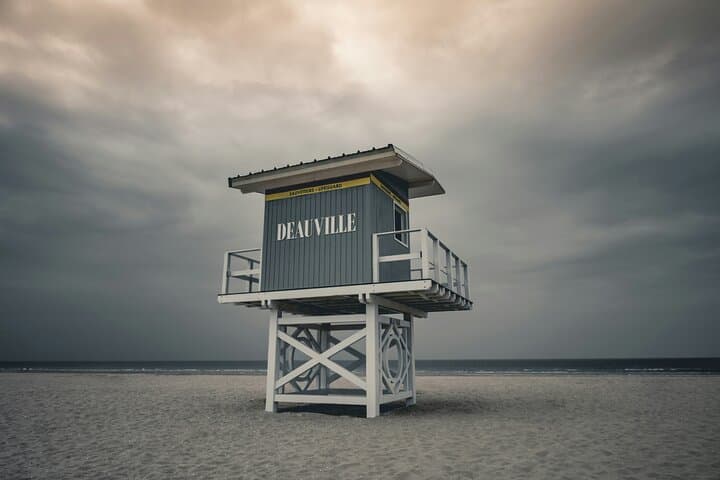
A low, briny wind greets you as the city grid gives way to open fields and then to the wide sweep of the English Channel. By late morning the plated promenade of Deauville appears—rows of painted beach huts, a long wooden boardwalk called Les Planches and the pale sand that made this 19th‑century resort fashionable with Parisian society.
A low, briny wind greets you as the city grid gives way to open fields and then to the wide sweep of the English Channel. By late morning the plated promenade of Deauville appears—rows of painted beach huts, a long wooden boardwalk called Les Planches and the pale sand that made this 19th‑century resort fashionable with Parisian society.
Deauville’s elegance is Belle Époque: casinos, horse racing, and seaside villas built when rail links and wealthy city dwellers turned the coast into a municipal stage. A short drive east, Honfleur keeps older tides—its Vieux Bassin cradles gaff‑rigged fishing boats against tight, timber‑framed houses. Saint Catherine’s Church, built by shipwrights from oak, shows how maritime craft shaped local architecture.
Geology here is modest but telling: sand and shingle beaches backed by promenades and low cliffs, the Channel’s grey water pushing shells and seaweed onto shore. The culture swings between market life—fresh seafood and cider stalls—and quiet gallery alleys along Rue de la Ville.
Practically: expect a long, full day (about 14 hours total including transit), with short, flat walks and cobblestones underfoot. Morning markets in Deauville or Honfleur are best for tasting regional cheese and baked goods; aim to arrive early to avoid crowds. Bring layered clothing against coastal wind, a comfortable walking shoe for cobbles, and a compact daypack for purchases. If you want a quieter visit, ask to linger in Honfleur at golden hour when the harbor calms and the light sharpens the wooden facades.