THE ADVENTURE COLLECTIVE® · Independent discovery and booking for outdoor travel

Walk ruins that record Phoenician, Punic and Roman Sardinia on a short guided stop near Pula. This concise transfer tour delivers the highlights—mosaics, the Nora Stone and coastal views—plus practical advice for a comfortable visit.
Walk ruins that record Phoenician, Punic and Roman Sardinia on a short guided stop near Pula. This concise transfer tour delivers the highlights—mosaics, the Nora Stone and coastal views—plus practical advice for a comfortable visit.
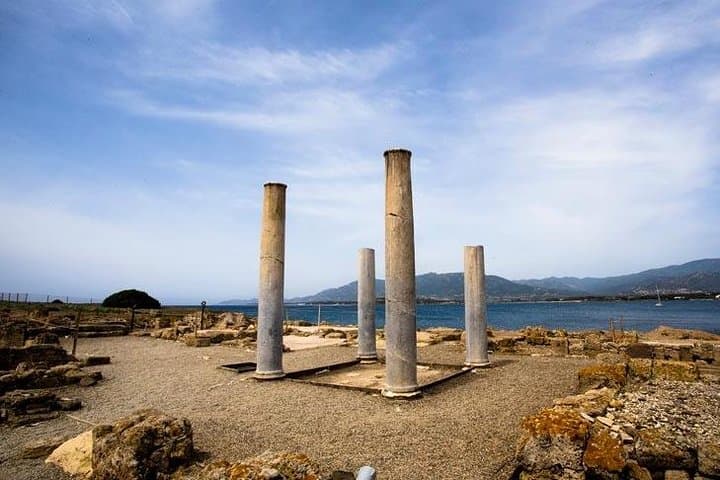
You step off the minivan onto wind-swept limestone and the sea pulls the light across low, broken walls; the coast seems to push you forward toward stone that has watched ships arrive for three millennia. Nora sits on a narrow peninsula where waves and wind have shaped both coastline and memory, and the site’s open-air mood invites a close, tactile visit rather than a hurried tour.
Verified experiences and guided adventures in the surrounding area.
Operated by Welcome to Sardinia · Pula, Sardinia
You step off the minivan onto wind-swept limestone and the sea pulls the light across low, broken walls; the coast seems to push you forward toward stone that has watched ships arrive for three millennia. Nora sits on a narrow peninsula where waves and wind have shaped both coastline and memory, and the site’s open-air mood invites a close, tactile visit rather than a hurried tour.
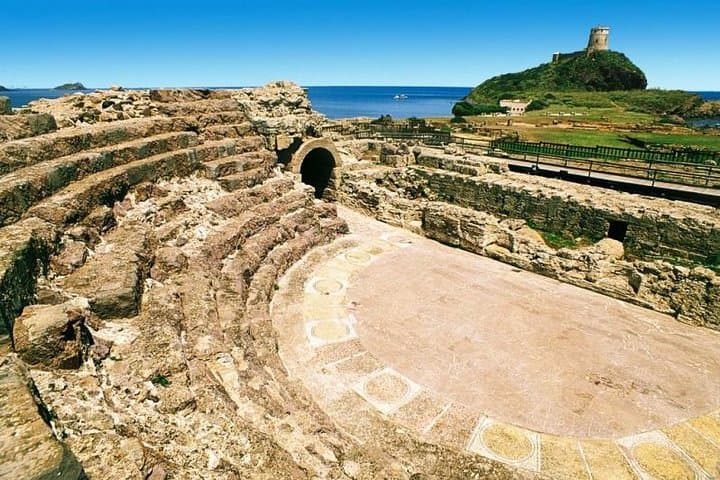
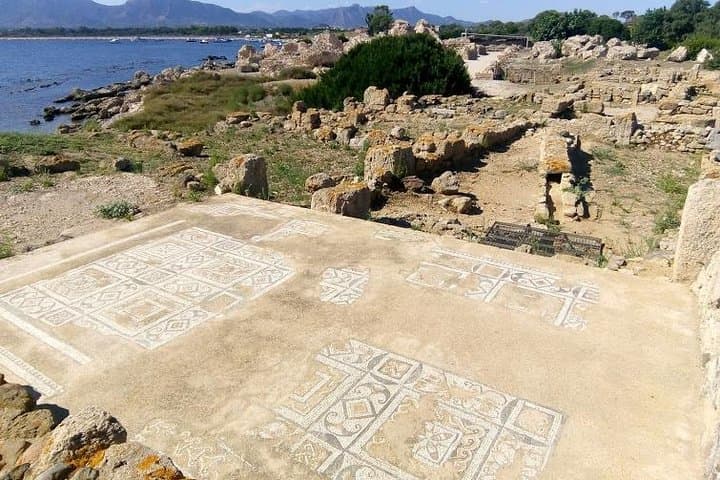
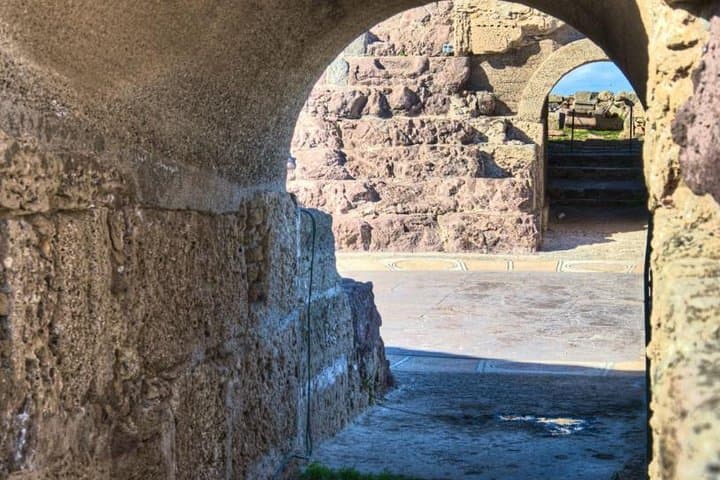
The layers here read like a timeline: Phoenician and Punic foundations, a remarkable Phoenician inscription known as the Nora Stone, and later Roman baths, a theater and mosaics. Geologically the headland is compact limestone and rock shelves with scattered sand—easy underfoot but uneven. Local culture still orbits agricultural villages and fishing coves; the nearby town of Pula preserves a small museum with finds from the site.
Practically, expect a focused 45-minute guided walk across ruins with limited shade and a clear route past mosaics, the temple of Eshmun-Esculapius and the coastal tophet. Wear solid shoes for gravel and exposed edges, bring water and sun protection, and plan for a short transfer from Cagliari. Photography is allowed in most areas but follow onsite signage to avoid fragile mosaics. If you’re traveling in high season, morning or late-afternoon slots reduce heat and crowds. The short duration makes Nora a compact, high-reward stop for history-minded travelers who want tangible contact with Sardinia’s layered past.
easy.
45 minutes.
Suitable for most fitness levels; involves short, flat walks with some uneven ground and low steps.
The guided site visit is approximately 45 minutes; transfer time from Cagliari is additional depending on traffic.
Parts of Nora have uneven ground and steps; access is limited for wheelchairs—contact the operator about accessibility options and transfer details.
Yes, this excursion includes the entrance ticket to the archaeological site as described in the tour inclusions.
Service animals are allowed and infant seats are available for transfers; infants must sit on an adult’s lap and strollers may be difficult on uneven paths.
Nora preserves layers from Phoenician/Punic settlements through Roman urban structures; the Nora Stone contains one of the island’s oldest inscriptions referencing Sardinia.
The site is vulnerable to erosion and foot traffic; stick to marked paths, avoid touching mosaics and follow guide instructions to limit wear on ancient structures.
Welcome to Sardinia operates guided outdoor trips and adventures with an emphasis on safety, stewardship, and memorable experiences.
You step off the minivan onto wind-swept limestone and the sea pulls the light across low, broken walls; the coast seems to push you forward toward stone that has watched ships arrive for three millennia. Nora sits on a narrow peninsula where waves and wind have shaped both coastline and memory, and the site’s open-air mood invites a close, tactile visit rather than a hurried tour.
You step off the minivan onto wind-swept limestone and the sea pulls the light across low, broken walls; the coast seems to push you forward toward stone that has watched ships arrive for three millennia. Nora sits on a narrow peninsula where waves and wind have shaped both coastline and memory, and the site’s open-air mood invites a close, tactile visit rather than a hurried tour.
The layers here read like a timeline: Phoenician and Punic foundations, a remarkable Phoenician inscription known as the Nora Stone, and later Roman baths, a theater and mosaics. Geologically the headland is compact limestone and rock shelves with scattered sand—easy underfoot but uneven. Local culture still orbits agricultural villages and fishing coves; the nearby town of Pula preserves a small museum with finds from the site.
Practically, expect a focused 45-minute guided walk across ruins with limited shade and a clear route past mosaics, the temple of Eshmun-Esculapius and the coastal tophet. Wear solid shoes for gravel and exposed edges, bring water and sun protection, and plan for a short transfer from Cagliari. Photography is allowed in most areas but follow onsite signage to avoid fragile mosaics. If you’re traveling in high season, morning or late-afternoon slots reduce heat and crowds. The short duration makes Nora a compact, high-reward stop for history-minded travelers who want tangible contact with Sardinia’s layered past.