THE ADVENTURE COLLECTIVE® · Independent discovery and booking for outdoor travel

Explore Nora’s layered past on a private guided tour from Chia: Roman baths, mosaics and a seaside amphitheater framed by Pula’s cobbled streets. Practical tips and site highlights for planning your half-day archaeological visit.
Explore Nora’s layered past on a private guided tour from Chia: Roman baths, mosaics and a seaside amphitheater framed by Pula’s cobbled streets. Practical tips and site highlights for planning your half-day archaeological visit.
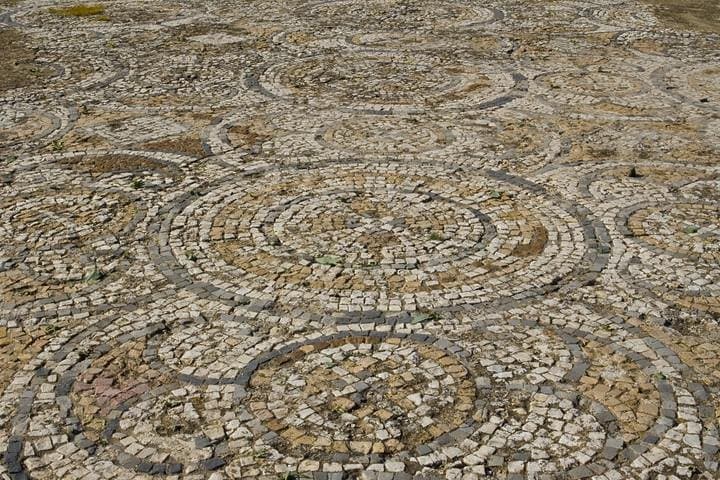
Sea wind and salt greet you before the ruins appear: low scrub drops away and the coastline opens to flat, pale stone where columns and mosaic floors catch the light. Walking through Nora feels like sliding through layers of Mediterranean time — Phoenician traders, Punic merchants and then Roman citizens left streets, baths and an amphitheater that still shape the shore.
Verified experiences and guided adventures in the surrounding area.
Operated by Bitan Daily Tours · Pula, Sardinia
Sea wind and salt greet you before the ruins appear: low scrub drops away and the coastline opens to flat, pale stone where columns and mosaic floors catch the light. Walking through Nora feels like sliding through layers of Mediterranean time — Phoenician traders, Punic merchants and then Roman citizens left streets, baths and an amphitheater that still shape the shore.
Nora sits on an isthmus at Capo Pula, first settled by Phoenicians in the 8th century BC, later flourishing under Punic then Roman rule. Geology here is simple limestone and coastal sand; storms revealed buried structures in the 19th century and formal digs have exposed mosaics, aqueduct traces and a coastal necropolis. Local culture remains tied to the sea: Pula’s craft shops, seasonal festivals and small seafood trattorie reflect centuries of maritime trade and farming.
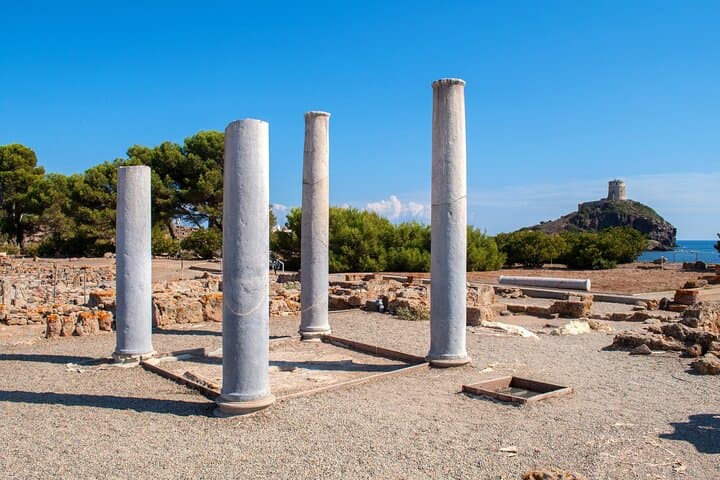
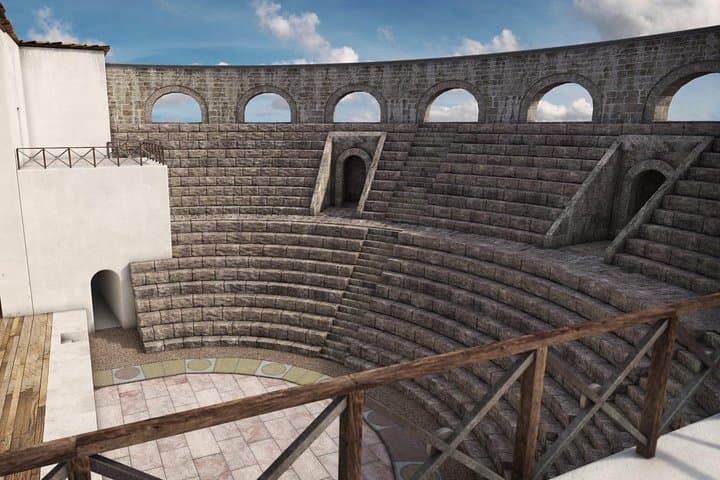
The guided private visit emphasizes compact walking—expect roughly two hours onsite amid cobbled lanes, thermal-bath ruins, a four-column atrium house and a small amphitheater perched over the water. Footing varies: packed earth, stone steps and short climbs to viewpoints. Photographic opportunities are constant; bring sun protection and comfortable shoes.
Practical tips: tours run half to full day with hotel pickup from Chia, and most guides include bottled water and skip-the-line admission. Accessibility is better than many ancient sites, but uneven surfaces remain. Early morning or late afternoon visits avoid heat and crowds and let the light bring mosaics and seaside terraces into sharp relief.
easy.
4–5 hours.
Light walking ability; able to walk on uneven ground for up to two hours onsite
Total excursion time is typically 4–5 hours, with about 20 minutes drive each way and roughly two hours exploring Nora plus time in Pula.
Many entrance areas and paths are accessible, but some ruins and viewpoints have uneven steps; contact the operator to arrange specific accessibility needs.
Yes—this private experience generally includes skip-the-line admission to the Nora archaeological park as part of the tour price.
The itinerary focuses on archaeology and Pula; some coastal spots near Nora have shallow water and snorkeling is possible, but swimming is dependent on weather and timing.
Nora began as a Phoenician trading post in the 8th century BC, later developed under Punic control and became a prosperous Roman municipium by the 1st century AD.
The park balances public access with preservation—stay on marked paths to protect mosaics and fragile masonry; local guides emphasize minimal-impact visiting.
Bitan Daily Tours operates guided outdoor trips and adventures with an emphasis on safety, stewardship, and memorable experiences.
Sea wind and salt greet you before the ruins appear: low scrub drops away and the coastline opens to flat, pale stone where columns and mosaic floors catch the light. Walking through Nora feels like sliding through layers of Mediterranean time — Phoenician traders, Punic merchants and then Roman citizens left streets, baths and an amphitheater that still shape the shore.
Sea wind and salt greet you before the ruins appear: low scrub drops away and the coastline opens to flat, pale stone where columns and mosaic floors catch the light. Walking through Nora feels like sliding through layers of Mediterranean time — Phoenician traders, Punic merchants and then Roman citizens left streets, baths and an amphitheater that still shape the shore.
Nora sits on an isthmus at Capo Pula, first settled by Phoenicians in the 8th century BC, later flourishing under Punic then Roman rule. Geology here is simple limestone and coastal sand; storms revealed buried structures in the 19th century and formal digs have exposed mosaics, aqueduct traces and a coastal necropolis. Local culture remains tied to the sea: Pula’s craft shops, seasonal festivals and small seafood trattorie reflect centuries of maritime trade and farming.
The guided private visit emphasizes compact walking—expect roughly two hours onsite amid cobbled lanes, thermal-bath ruins, a four-column atrium house and a small amphitheater perched over the water. Footing varies: packed earth, stone steps and short climbs to viewpoints. Photographic opportunities are constant; bring sun protection and comfortable shoes.
Practical tips: tours run half to full day with hotel pickup from Chia, and most guides include bottled water and skip-the-line admission. Accessibility is better than many ancient sites, but uneven surfaces remain. Early morning or late afternoon visits avoid heat and crowds and let the light bring mosaics and seaside terraces into sharp relief.