THE ADVENTURE COLLECTIVE® · Independent discovery and booking for outdoor travel

Two days of village treks, cave visits, a waterfall hike and river transfers around Nong Khiaw—an accessible northern Laos adventure that blends cultural homestays with paddle-and-hike scenery.
Two days of village treks, cave visits, a waterfall hike and river transfers around Nong Khiaw—an accessible northern Laos adventure that blends cultural homestays with paddle-and-hike scenery.
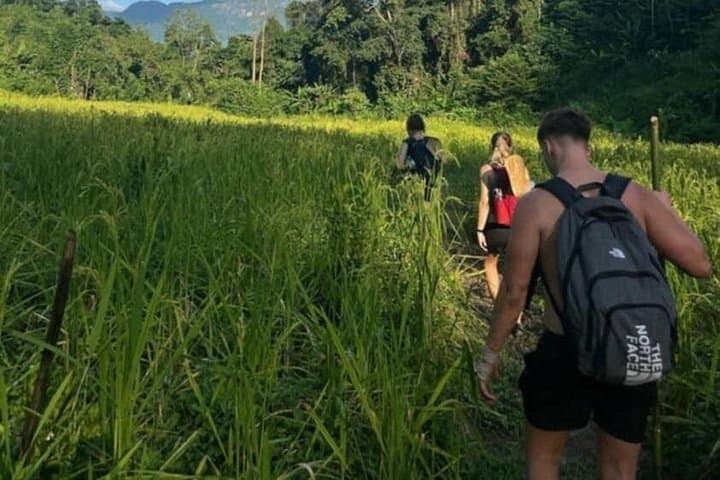
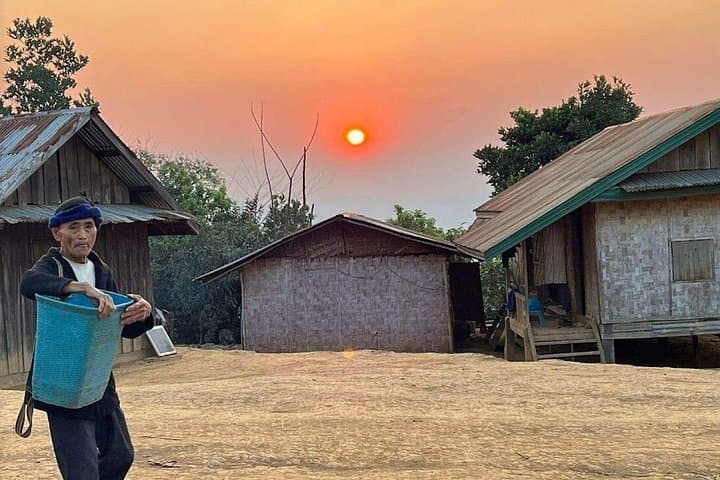
Morning light carves the limestone ridges above the Nam Ou; you step off a tuk-tuk and the river seems to dare you downstream. The first day opens with a 2–4 hour walk across rice terraces and through primary forest to villages of Lao, Khmu and Hmong families, where bamboo roofs and teahouse smoke mark human rhythms against the mountain silhouette.
Verified experiences and guided adventures in the surrounding area.
Operated by tick sonethonphet · Nong Khiaw, Luang Prabang Province
Morning light carves the limestone ridges above the Nam Ou; you step off a tuk-tuk and the river seems to dare you downstream. The first day opens with a 2–4 hour walk across rice terraces and through primary forest to villages of Lao, Khmu and Hmong families, where bamboo roofs and teahouse smoke mark human rhythms against the mountain silhouette.
The landscape here is karst limestone folded by ancient rivers; caves and steep ridgelines speak to slow geologic work. Culturally, this stretch of northern Laos has long been a crossroads for Tai-Lao lowlanders and Khmu and Hmong highland communities—expect simple village life, woven handicrafts and elders who remember river trade by longboat.
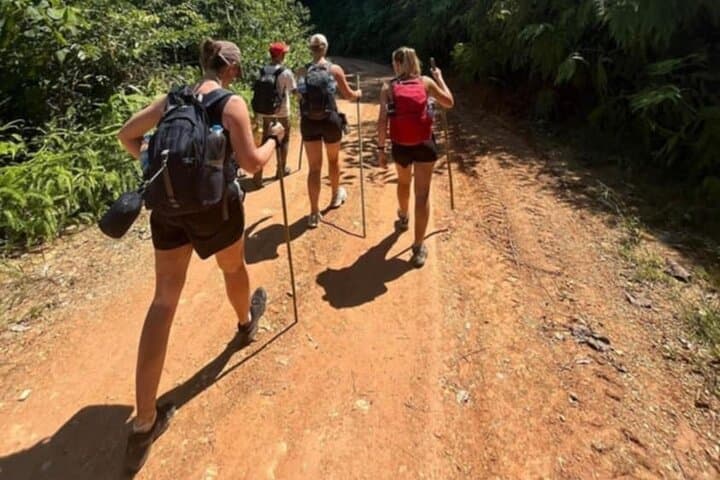
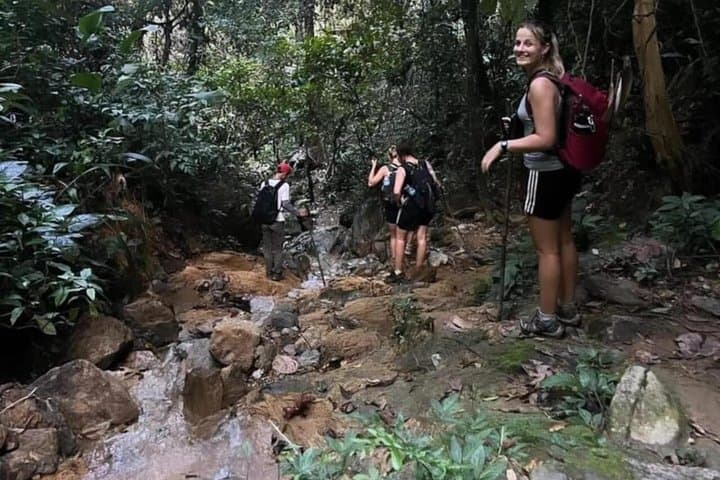
On-trail: terrain alternates between packed dirt trails, rocky ridge sections and muddy paths after rain, with short steep pitches—plan for 300–600 m total elevation gain across the hardest day and several hours of walking each day. Day two moves you by boat to Muang Noi and acoustic caves, then a short trek to a waterfall and calm kayaking on sheltered channels.
Practical edge: carry a water filter or 2–3 liters, a lightweight rain shell for sudden downpours, solid footwear with grip for wet rocks, and small cash for village purchases. Wear insect protection at dawn and dusk. Homestays are basic but warm; guides arrange meals and local transport. Travel light, respect village customs, and be prepared for simple toilets and river crossings—the reward is close-up cultural exchange, clear waterfall pools and a river that keeps pushing you forward.
moderate.
16 hours (2 days).
Suitable for travelers who can manage 3–6 hours of walking per day on uneven terrain and short steep sections.
No technical experience is required; moderate fitness and comfort on uneven trails are sufficient—guides lead the route and handle logistics.
Homestays are basic with shared facilities, simple mattresses and home-cooked meals—comfort is rustic but authentic.
Lunches and some local transport (tuk-tuk, boats) are typically included; confirm specifics with the operator for pickups and any extra costs.
The itinerary is family-friendly but involves long walks and uneven terrain; not recommended for those with serious mobility, heart, or spine issues.
Nong Khiaw and surrounding valleys have long been home to Tai-Lao lowlanders and Khmu and Hmong upland communities; river routes shaped trade and daily life.
Karst forests and river systems are ecologically sensitive—avoid single-use plastics, stay on trails and follow local guidance to minimize impact.
tick sonethonphet operates guided outdoor trips and adventures with an emphasis on safety, stewardship, and memorable experiences.
Morning light carves the limestone ridges above the Nam Ou; you step off a tuk-tuk and the river seems to dare you downstream. The first day opens with a 2–4 hour walk across rice terraces and through primary forest to villages of Lao, Khmu and Hmong families, where bamboo roofs and teahouse smoke mark human rhythms against the mountain silhouette.
Morning light carves the limestone ridges above the Nam Ou; you step off a tuk-tuk and the river seems to dare you downstream. The first day opens with a 2–4 hour walk across rice terraces and through primary forest to villages of Lao, Khmu and Hmong families, where bamboo roofs and teahouse smoke mark human rhythms against the mountain silhouette.
The landscape here is karst limestone folded by ancient rivers; caves and steep ridgelines speak to slow geologic work. Culturally, this stretch of northern Laos has long been a crossroads for Tai-Lao lowlanders and Khmu and Hmong highland communities—expect simple village life, woven handicrafts and elders who remember river trade by longboat.
On-trail: terrain alternates between packed dirt trails, rocky ridge sections and muddy paths after rain, with short steep pitches—plan for 300–600 m total elevation gain across the hardest day and several hours of walking each day. Day two moves you by boat to Muang Noi and acoustic caves, then a short trek to a waterfall and calm kayaking on sheltered channels.
Practical edge: carry a water filter or 2–3 liters, a lightweight rain shell for sudden downpours, solid footwear with grip for wet rocks, and small cash for village purchases. Wear insect protection at dawn and dusk. Homestays are basic but warm; guides arrange meals and local transport. Travel light, respect village customs, and be prepared for simple toilets and river crossings—the reward is close-up cultural exchange, clear waterfall pools and a river that keeps pushing you forward.