THE ADVENTURE COLLECTIVE® · Independent discovery and booking for outdoor travel

Walk the Pasir Ris mangrove by night and witness frogs, owls, and civets from an elevated boardwalk. This two-hour guided experience combines ecology, local history, and accessible trail design for an immersive night nature walk.
Walk the Pasir Ris mangrove by night and witness frogs, owls, and civets from an elevated boardwalk. This two-hour guided experience combines ecology, local history, and accessible trail design for an immersive night nature walk.
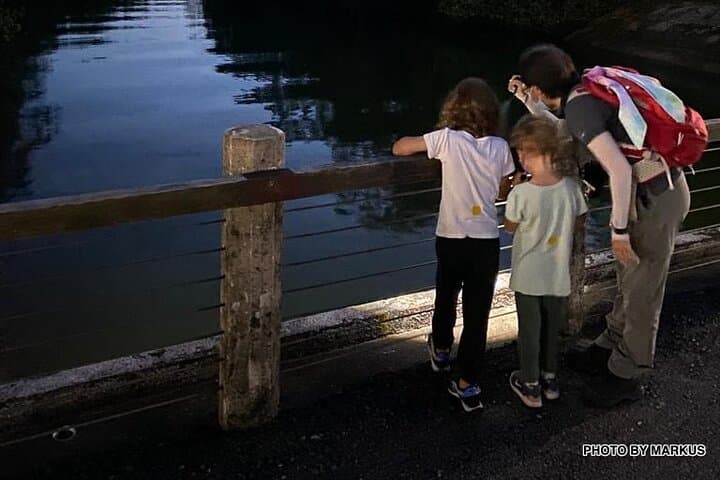
You step from the car park into close, humid air; headlamps carve thin cones through the black-green of mangrove roots, and the boardwalk creaks like a low drum underfoot.
Verified experiences and guided adventures in the surrounding area.
Operated by Karen Chen · Pasir Ris, Singapore
You step from the car park into close, humid air; headlamps carve thin cones through the black-green of mangrove roots, and the boardwalk creaks like a low drum underfoot.
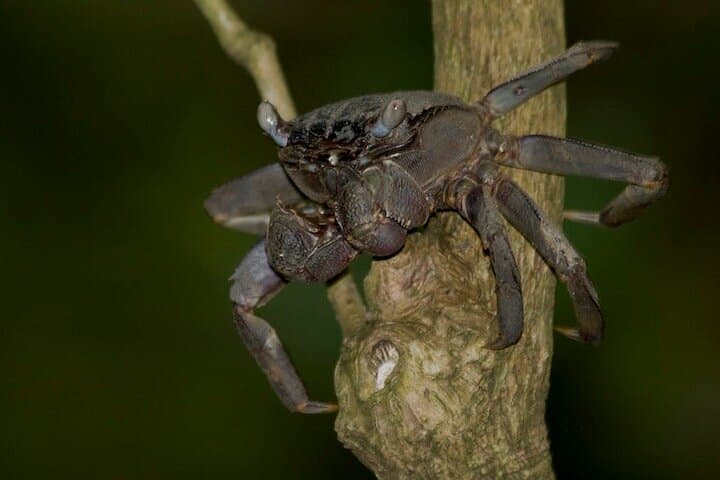
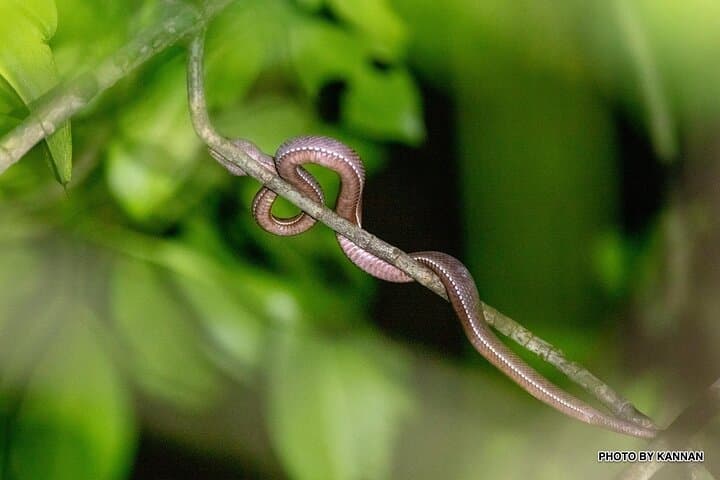
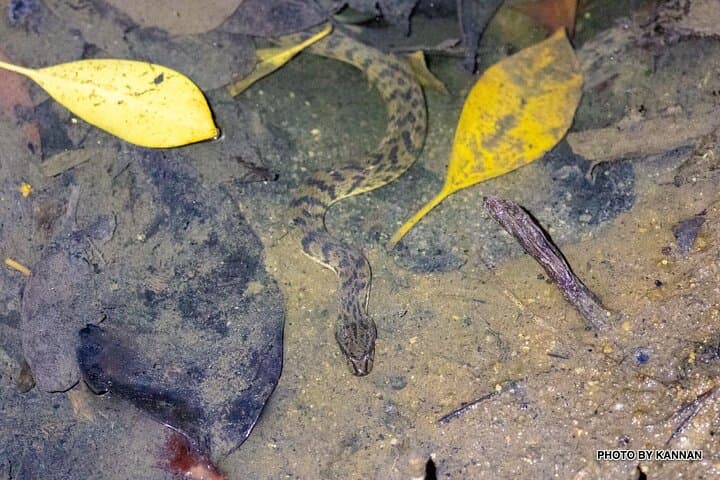
Along the raised walkway the mangrove becomes a nocturnal theatre: mudskippers flick, frogs chorus in layered rhythms, and distant calls — owls, nightjars, the rustle of a civet — thread the dark. Pasir Ris sits on reclaimed shorelines that once supported fishing communities; the mangrove here is an intertidal fringe of peat and trapped silt, holding coastline and history together.
Geologically, these roots stabilize sediment and filter tidal flows; culturally, they are a living classroom for Singapore’s push to preserve coastal habitats. Guides on this night walk interpret adaptations — salt-excluding roots, breathing pneumatophores — and point out how tidal schedules choreograph animal activity.
Practical guidance: the route is a flat, accessible boardwalk suitable for most fitness levels and families. Walks typically last about two hours after sunset when frog and bird activity peaks; low light preserves wildlife behavior, so keep illumination minimal and use a red filter if possible. Wear closed-toe shoes with good grip, treat clothing with insect repellent, and expect humidity and occasional mud-splashed breezes. Stay on the boardwalk, avoid flash photography, and follow the guide’s lead when viewing sensitive species.
This is an easy, sensory-rich encounter with urban wildness — a chance to see how a small coastal ecosystem asserts itself against city lights and tides, revealing nocturnal strategies that deserve quiet attention.
easy.
2 hours.
Light walking ability; suitable for most ages and mobility levels given the flat boardwalk.
Yes — the Pasir Ris boardwalk is wheelchair accessible and the tour notes indicate stroller and wheelchair access for the route.
Walks are typically two hours after sunset; the experience is family-friendly but keep children close and quiet to avoid startling wildlife.
Wildlife is never guaranteed, but night increases activity of frogs, owls, nightjars, and small mammals; guides know local hotspots to maximize sightings.
Avoid flash photography; it stresses animals and reduces chances of observing natural behavior — use low light settings or a red-filtered light instead.
Pasir Ris’s shoreline once hosted fishing and small coastal settlements; modern reclamation and park design have preserved patches of mangrove as educational habitat.
Mangroves here are actively protected; visitors should stay on paths, minimize light and noise, and avoid disrupting breeding sites to reduce human impact.
Karen Chen operates guided outdoor trips and adventures with an emphasis on safety, stewardship, and memorable experiences.
You step from the car park into close, humid air; headlamps carve thin cones through the black-green of mangrove roots, and the boardwalk creaks like a low drum underfoot.
You step from the car park into close, humid air; headlamps carve thin cones through the black-green of mangrove roots, and the boardwalk creaks like a low drum underfoot.
Along the raised walkway the mangrove becomes a nocturnal theatre: mudskippers flick, frogs chorus in layered rhythms, and distant calls — owls, nightjars, the rustle of a civet — thread the dark. Pasir Ris sits on reclaimed shorelines that once supported fishing communities; the mangrove here is an intertidal fringe of peat and trapped silt, holding coastline and history together.
Geologically, these roots stabilize sediment and filter tidal flows; culturally, they are a living classroom for Singapore’s push to preserve coastal habitats. Guides on this night walk interpret adaptations — salt-excluding roots, breathing pneumatophores — and point out how tidal schedules choreograph animal activity.
Practical guidance: the route is a flat, accessible boardwalk suitable for most fitness levels and families. Walks typically last about two hours after sunset when frog and bird activity peaks; low light preserves wildlife behavior, so keep illumination minimal and use a red filter if possible. Wear closed-toe shoes with good grip, treat clothing with insect repellent, and expect humidity and occasional mud-splashed breezes. Stay on the boardwalk, avoid flash photography, and follow the guide’s lead when viewing sensitive species.
This is an easy, sensory-rich encounter with urban wildness — a chance to see how a small coastal ecosystem asserts itself against city lights and tides, revealing nocturnal strategies that deserve quiet attention.