THE ADVENTURE COLLECTIVE® · Independent discovery and booking for outdoor travel

Step into the rainforest after dark on a guided two-hour hike in Tortuguero. Experience frogs, insects, and the dense soundscape of a tropical night while local naturalists lead the way.
Step into the rainforest after dark on a guided two-hour hike in Tortuguero. Experience frogs, insects, and the dense soundscape of a tropical night while local naturalists lead the way.
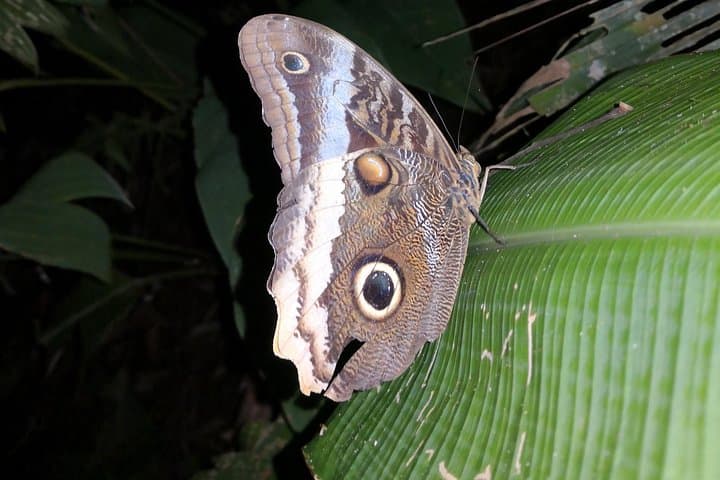
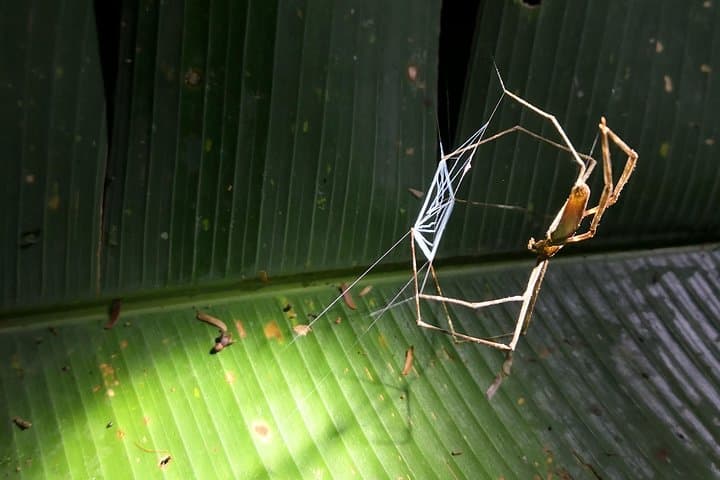
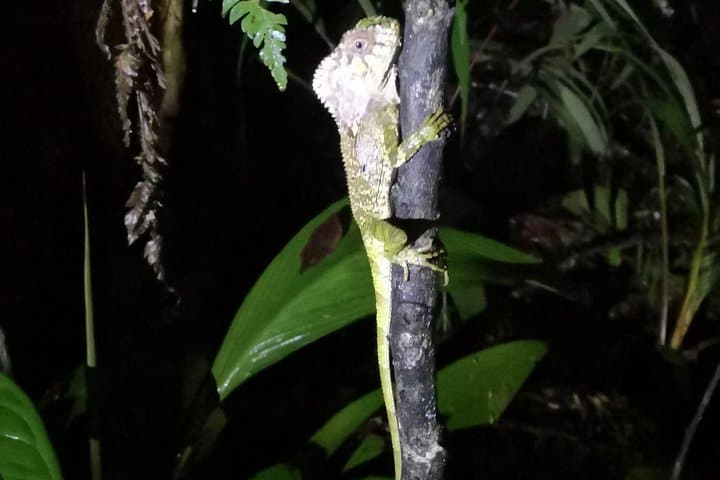
The trail opens under a canopy that swallows daylight; palms and ceiba trees fold the sky into a velvet roof as fireflies begin their slow, blinking cadence. On a two-hour nocturnal hike through Tortuguero’s humid forest you move with measured steps, flashlights carving narrow cones of light through the understory while frogs reply in chorus. The darkness here is active — insects buzz like a charged current and small mammals slip away like whispers.
Verified experiences and guided adventures in the surrounding area.
Operated by Tortuguero Adventures · Tortuguero, Limón
The trail opens under a canopy that swallows daylight; palms and ceiba trees fold the sky into a velvet roof as fireflies begin their slow, blinking cadence. On a two-hour nocturnal hike through Tortuguero’s humid forest you move with measured steps, flashlights carving narrow cones of light through the understory while frogs reply in chorus. The darkness here is active — insects buzz like a charged current and small mammals slip away like whispers.
Tortuguero sits on Costa Rica’s Caribbean edge, a low-lying barrier island and canal network formed by longshore sedimentation. The National Park, created to protect nesting sea turtles and coastal wetlands, also preserves inland riparian forest where Afro-Caribbean communities have long lived with the land and waterways. Geology and hydrology shape the trails: expect soft, peaty soil, braided streamlets, and roots that force a careful foot.
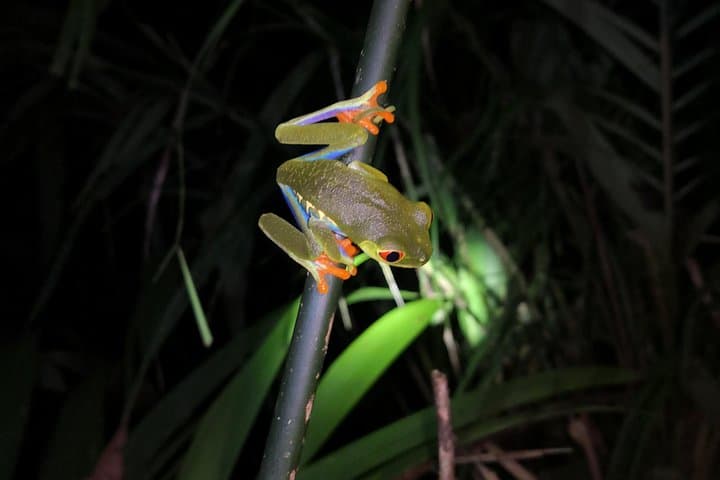
Guides are naturalists who point out tree frogs, nocturnal insects, and the hush of night birds; their local knowledge replaces guesswork with reliable sightings. The experience is tactile — humidity clings to your skin, boots sink an inch in mud, and the soundscape rearranges your sense of distance.
Practical notes: tours run about two hours, small groups (under 10), and operators typically provide rubber boots, flashlights, and ponchos. Wear long sleeves and long pants, bring a headlamp with a red filter or dimming option, and use insect repellent. Move quietly, follow the guide’s path, and accept that wildlife appears on its terms — patience rewards you.
This hike is for travelers who want a close, guided encounter with the rainforest’s night rhythm rather than a checklist of trophies.
easy.
2 hours.
Suitable for most fitness levels; requires steady footing and ability to walk uneven, muddy trails for up to two hours.
Yes; the operator lists the walk as suitable for all fitness levels, but participants should be able to walk unassisted on uneven, sometimes muddy terrain for up to two hours.
Yes — typical tour inclusions list flashlights, rubber boots, and ponchos; bringing your own headlamp can still be useful.
This nocturnal forest hike focuses on frogs, insects, and small nocturnal mammals and birds; sea turtle nesting occurs nearby on beaches but is a different seasonal activity and not guaranteed on this walk.
Tours may be canceled or rescheduled for heavy rain or unsafe conditions; operators usually allow full refunds if canceled at least 24 hours prior.
Tortuguero National Park was established to protect critical nesting beaches for sea turtles and the surrounding wetland ecosystems; Afro-Caribbean communities have shaped local culture through fishing and canal navigation.
Visitors are asked to follow 'leave no trace' principles, keep to guide-led paths, avoid flash photography of wildlife, and minimize light and noise to reduce disturbance to nocturnal species.
Tortuguero Adventures operates guided outdoor trips and adventures with an emphasis on safety, stewardship, and memorable experiences.
The trail opens under a canopy that swallows daylight; palms and ceiba trees fold the sky into a velvet roof as fireflies begin their slow, blinking cadence. On a two-hour nocturnal hike through Tortuguero’s humid forest you move with measured steps, flashlights carving narrow cones of light through the understory while frogs reply in chorus. The darkness here is active — insects buzz like a charged current and small mammals slip away like whispers.
The trail opens under a canopy that swallows daylight; palms and ceiba trees fold the sky into a velvet roof as fireflies begin their slow, blinking cadence. On a two-hour nocturnal hike through Tortuguero’s humid forest you move with measured steps, flashlights carving narrow cones of light through the understory while frogs reply in chorus. The darkness here is active — insects buzz like a charged current and small mammals slip away like whispers.
Tortuguero sits on Costa Rica’s Caribbean edge, a low-lying barrier island and canal network formed by longshore sedimentation. The National Park, created to protect nesting sea turtles and coastal wetlands, also preserves inland riparian forest where Afro-Caribbean communities have long lived with the land and waterways. Geology and hydrology shape the trails: expect soft, peaty soil, braided streamlets, and roots that force a careful foot.
Guides are naturalists who point out tree frogs, nocturnal insects, and the hush of night birds; their local knowledge replaces guesswork with reliable sightings. The experience is tactile — humidity clings to your skin, boots sink an inch in mud, and the soundscape rearranges your sense of distance.
Practical notes: tours run about two hours, small groups (under 10), and operators typically provide rubber boots, flashlights, and ponchos. Wear long sleeves and long pants, bring a headlamp with a red filter or dimming option, and use insect repellent. Move quietly, follow the guide’s path, and accept that wildlife appears on its terms — patience rewards you.
This hike is for travelers who want a close, guided encounter with the rainforest’s night rhythm rather than a checklist of trophies.