THE ADVENTURE COLLECTIVE® · Independent discovery and booking for outdoor travel

Trace Oman's fortress line from Nizwa's circular cannon tower to the painted ceilings of Jabreen and the UNESCO walls of Bahla. This seven- to eight-hour cultural drive pairs market life, medieval engineering and striking desert-edge landscapes.
Trace Oman's fortress line from Nizwa's circular cannon tower to the painted ceilings of Jabreen and the UNESCO walls of Bahla. This seven- to eight-hour cultural drive pairs market life, medieval engineering and striking desert-edge landscapes.
Morning light strips across the Hajar foothills as the road from Muscat unspools toward Nizwa, where a massive round tower rises from sun-baked earth and market calls thread through its alleys. The approach sets the tone: stone and shadow, water channels that still whisper engineering, and doors carved with generations of craft.
Verified experiences and guided adventures in the surrounding area.
Operated by Salim Darwish · Nizwa, Ad Dakhiliyah
Morning light strips across the Hajar foothills as the road from Muscat unspools toward Nizwa, where a massive round tower rises from sun-baked earth and market calls thread through its alleys. The approach sets the tone: stone and shadow, water channels that still whisper engineering, and doors carved with generations of craft.
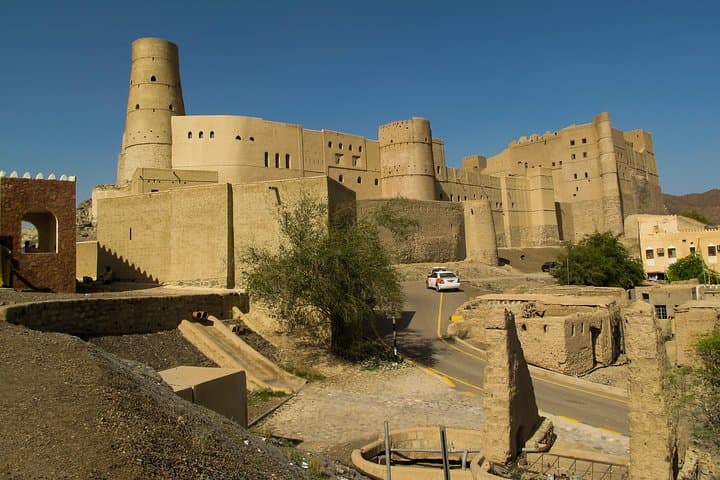
This full-day tour moves from Nizwa Fort — a 17th-century stronghold linked with Imam Sultan bin Saif al Ya'arubi — to Jabreen (Jabrin) Castle, an intimate palace of plasterwork, painted beams and secret chambers built in 1670. Bahla follows, a World Heritage site whose mud-brick walls and historic oasis recall pre-Islamic defenses; note that major restoration can limit interior access, so visits may be photo stops.
Geology here is coastal plain meeting limestone spurs: watch how falaj irrigation channels, cut into the bedrock, sustain palms and explain settlement patterns. Culture shows in souq stalls, silversmiths, and the quiet gravity of carved doors and ceilings — functional art that kept courts cool and communities connected.
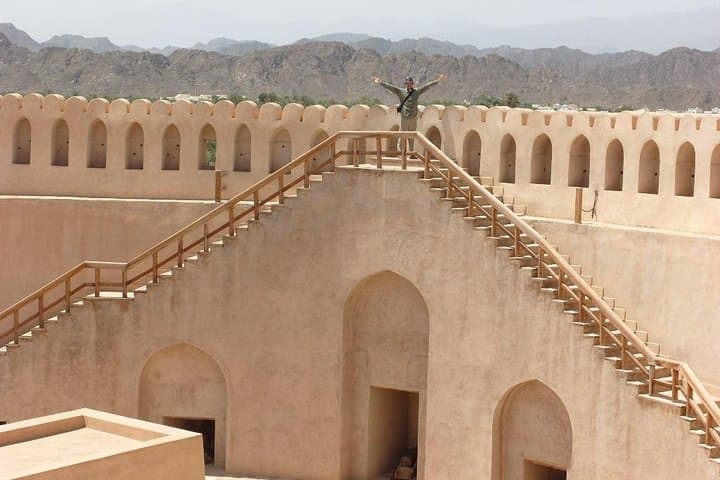
Plan for seven to eight hours, sturdy shoes for uneven stone stairs, sun protection, and modest clothing for mosque and market visits. Bring cash for the souq and expect short walks at each site; admission is typically not included. Photographers should time Nizwa for soft morning light and Jabreen for midday interiors. Respect prayer times, keep water close in heat, and leave no trace among the fragile mud-brick walls — these sites endure when visitors do the same.
easy.
7–8 hours.
Suitable for light-activity participants able to walk on uneven stone, climb stairs, and stand during guided stops.
The tour runs about 7–8 hours (420–480 minutes) including drives and time at each site.
Admissions are typically not included; check the booking details and carry local currency for entry fees.
Yes—infant seats are available and the itinerary is rated easy, though families should plan for heat and stair climbs.
Bahla Fort has undergone restorations; interior access can be limited and may be offered as a photo stop depending on conservation work.
Nizwa flourished under the Ya'arubi dynasty in the 17th century; Jabreen served as both a palace and learning center, with falaj channels running through its rooms.
Bahla's ongoing restoration seeks to stabilize mud-brick structures; visitors should avoid touching fragile plaster and stay on marked paths to protect archaeological fabric.
Salim Darwish operates guided outdoor trips and adventures with an emphasis on safety, stewardship, and memorable experiences.
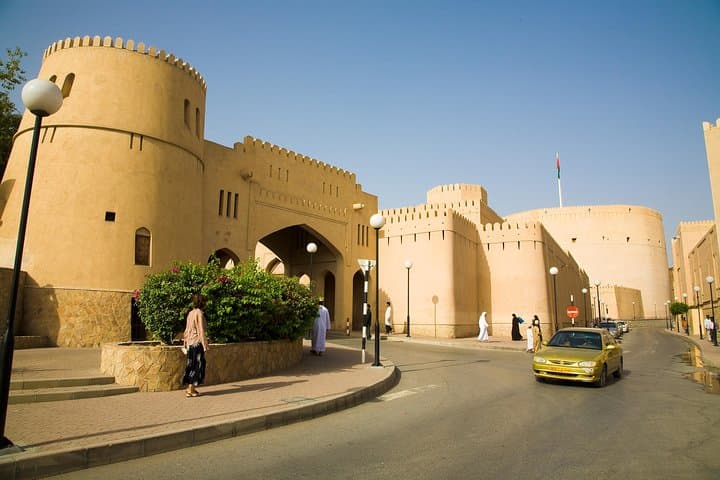
Morning light strips across the Hajar foothills as the road from Muscat unspools toward Nizwa, where a massive round tower rises from sun-baked earth and market calls thread through its alleys. The approach sets the tone: stone and shadow, water channels that still whisper engineering, and doors carved with generations of craft.
Morning light strips across the Hajar foothills as the road from Muscat unspools toward Nizwa, where a massive round tower rises from sun-baked earth and market calls thread through its alleys. The approach sets the tone: stone and shadow, water channels that still whisper engineering, and doors carved with generations of craft.
This full-day tour moves from Nizwa Fort — a 17th-century stronghold linked with Imam Sultan bin Saif al Ya'arubi — to Jabreen (Jabrin) Castle, an intimate palace of plasterwork, painted beams and secret chambers built in 1670. Bahla follows, a World Heritage site whose mud-brick walls and historic oasis recall pre-Islamic defenses; note that major restoration can limit interior access, so visits may be photo stops.
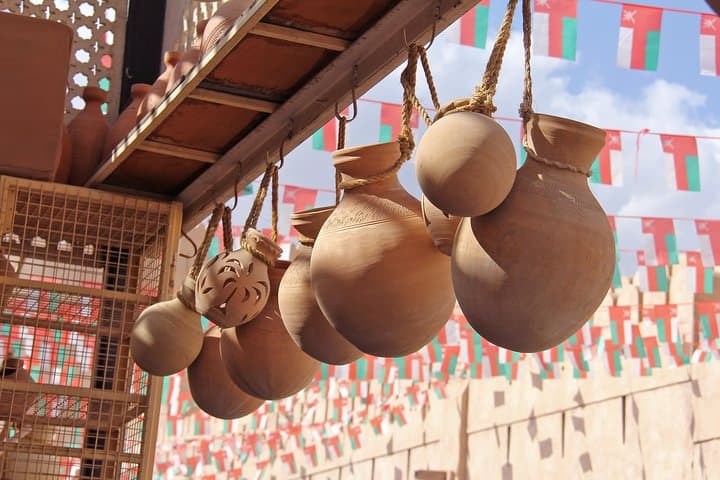
Geology here is coastal plain meeting limestone spurs: watch how falaj irrigation channels, cut into the bedrock, sustain palms and explain settlement patterns. Culture shows in souq stalls, silversmiths, and the quiet gravity of carved doors and ceilings — functional art that kept courts cool and communities connected.
Plan for seven to eight hours, sturdy shoes for uneven stone stairs, sun protection, and modest clothing for mosque and market visits. Bring cash for the souq and expect short walks at each site; admission is typically not included. Photographers should time Nizwa for soft morning light and Jabreen for midday interiors. Respect prayer times, keep water close in heat, and leave no trace among the fragile mud-brick walls — these sites endure when visitors do the same.