THE ADVENTURE COLLECTIVE® · Independent discovery and booking for outdoor travel

Spend a day from Muscat exploring Nizwa’s historic souq and fort, then wind through Al Hamra and the stepped lanes of Misfah al Abriyeen beneath Jebel Shams. This hands-on cultural day covers markets, mudbrick architecture and traditional falaj irrigation.
Spend a day from Muscat exploring Nizwa’s historic souq and fort, then wind through Al Hamra and the stepped lanes of Misfah al Abriyeen beneath Jebel Shams. This hands-on cultural day covers markets, mudbrick architecture and traditional falaj irrigation.
You leave Muscat before the heat builds, the road opening into a banded landscape of limestone ridges and dry wadis. By first light Nizwa’s souq is a jostling patchwork of traders, silver khanjars, and the sharp scent of spices; donkeys and date-palms press against alleys while vendors call out the morning catch and fresh dates.
Verified experiences and guided adventures in the surrounding area.
Operated by Oman Day Tours · Nizwa, Ad Dakhiliyah
You leave Muscat before the heat builds, the road opening into a banded landscape of limestone ridges and dry wadis. By first light Nizwa’s souq is a jostling patchwork of traders, silver khanjars, and the sharp scent of spices; donkeys and date-palms press against alleys while vendors call out the morning catch and fresh dates.
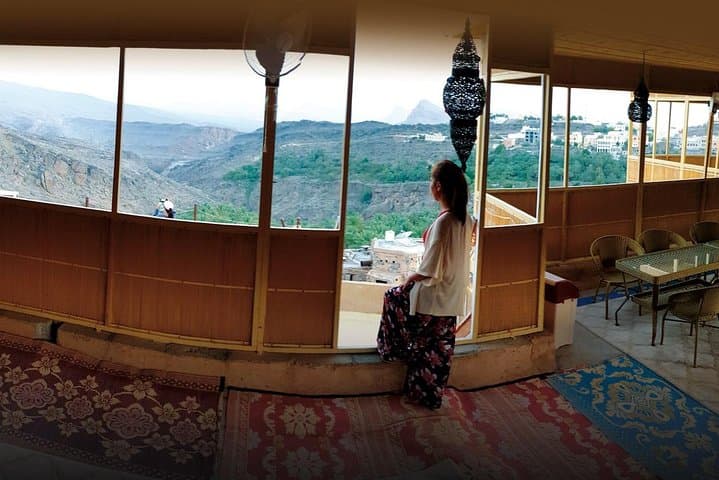
Nizwa’s fortress, built by the Yaruba dynasty in the 17th century, stands like a compact stronghold of carved stone and narrow defensive passages. From its ramparts you can read the geology of the region: tilted Hajar strata folding toward Jebel Shams, Oman’s highest massif looming west. The drive to Al Hamra and the cliff-side lanes of Misfah al Abriyeen puts traditional falaj irrigation systems on full display — hand-cut channels that still feed terraces of fruit trees and vegetable plots.
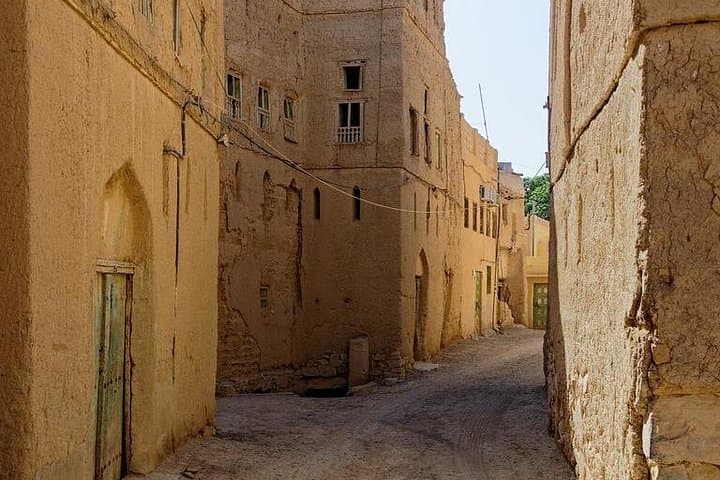
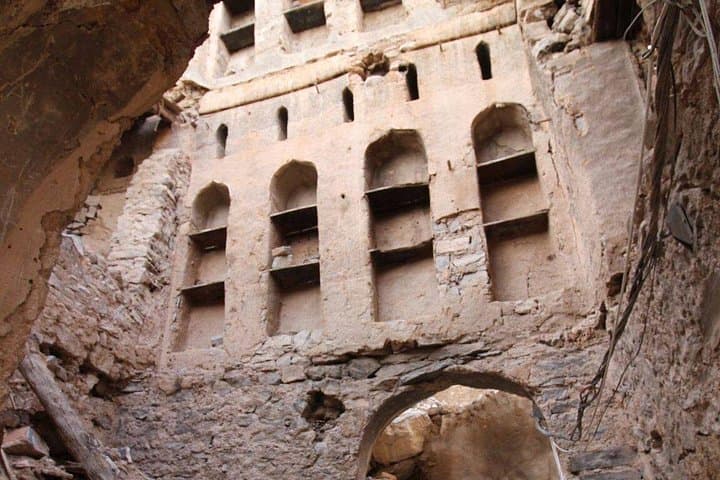
Expect cobbled lanes, steep stone steps and marked footpaths through the old villages; Misfah rewards a careful 60–90 minute stroll to see water channels, old mudbrick houses and a simple cliff viewpoint. Practicalities: carry cash for small purchases at the souq, dress modestly, and plan the Nizwa market visit for early morning when stalls are busiest. Footing can be uneven where ancient stone meets modern sandals, so closed shoes and sun protection matter.
This is an accessible cultural day that combines living markets, military architecture, and highland village life — a concise primer on Oman’s inland landscape and the water systems that sustain it.
moderate.
7–8 hours.
Suitable for most travelers who can manage 1–2 hours of easy-to-moderate walking on uneven terrain; stair climbs in villages may be steep.
Most departures are from Muscat; expect roughly a 1.5–2 hour drive each way to Nizwa depending on traffic and stops.
The tour is family-friendly and advertised as suitable for all fitness levels, but village lanes and fortress stairs may be difficult for those with limited mobility.
Confirm with the operator; many full-day tours include transport and basic fees, but some may charge fort admission separately.
Cool months (October–April) offer milder daytime temperatures and more comfortable walking; early mornings are best for souq activity.
Nizwa was Oman’s medieval capital and a center of learning and trade; the 17th‑century Yaruba forts reflect a period of coastal expansion and inland consolidation.
The falaj irrigation networks are fragile and historically important — stick to marked paths, avoid diverting water channels and minimise waste to protect mountain agriculture.
Oman Day Tours operates guided outdoor trips and adventures with an emphasis on safety, stewardship, and memorable experiences.
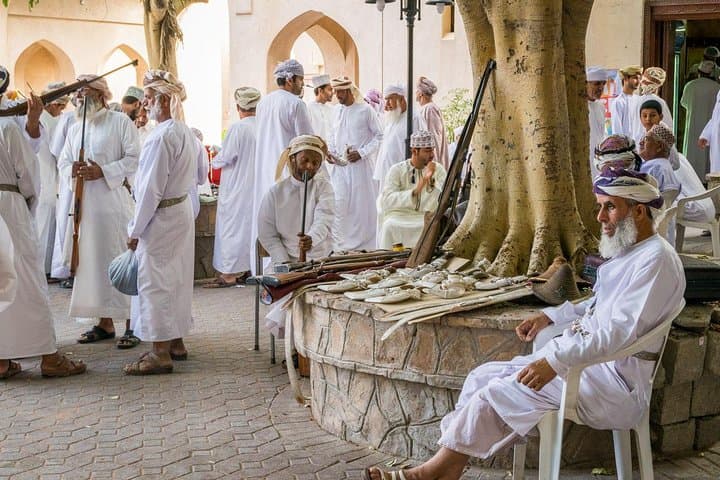
You leave Muscat before the heat builds, the road opening into a banded landscape of limestone ridges and dry wadis. By first light Nizwa’s souq is a jostling patchwork of traders, silver khanjars, and the sharp scent of spices; donkeys and date-palms press against alleys while vendors call out the morning catch and fresh dates.
You leave Muscat before the heat builds, the road opening into a banded landscape of limestone ridges and dry wadis. By first light Nizwa’s souq is a jostling patchwork of traders, silver khanjars, and the sharp scent of spices; donkeys and date-palms press against alleys while vendors call out the morning catch and fresh dates.
Nizwa’s fortress, built by the Yaruba dynasty in the 17th century, stands like a compact stronghold of carved stone and narrow defensive passages. From its ramparts you can read the geology of the region: tilted Hajar strata folding toward Jebel Shams, Oman’s highest massif looming west. The drive to Al Hamra and the cliff-side lanes of Misfah al Abriyeen puts traditional falaj irrigation systems on full display — hand-cut channels that still feed terraces of fruit trees and vegetable plots.
Expect cobbled lanes, steep stone steps and marked footpaths through the old villages; Misfah rewards a careful 60–90 minute stroll to see water channels, old mudbrick houses and a simple cliff viewpoint. Practicalities: carry cash for small purchases at the souq, dress modestly, and plan the Nizwa market visit for early morning when stalls are busiest. Footing can be uneven where ancient stone meets modern sandals, so closed shoes and sun protection matter.
This is an accessible cultural day that combines living markets, military architecture, and highland village life — a concise primer on Oman’s inland landscape and the water systems that sustain it.