THE ADVENTURE COLLECTIVE® · Independent discovery and booking for outdoor travel

Cross the Rio–Niterói Bridge into a city of sweeping modernist curves, calm beaches and one of the best viewpoints over Rio. This private day tour pairs Oscar Niemeyer landmarks with coastal scenery and a visit to the MAC Museum.
Cross the Rio–Niterói Bridge into a city of sweeping modernist curves, calm beaches and one of the best viewpoints over Rio. This private day tour pairs Oscar Niemeyer landmarks with coastal scenery and a visit to the MAC Museum.
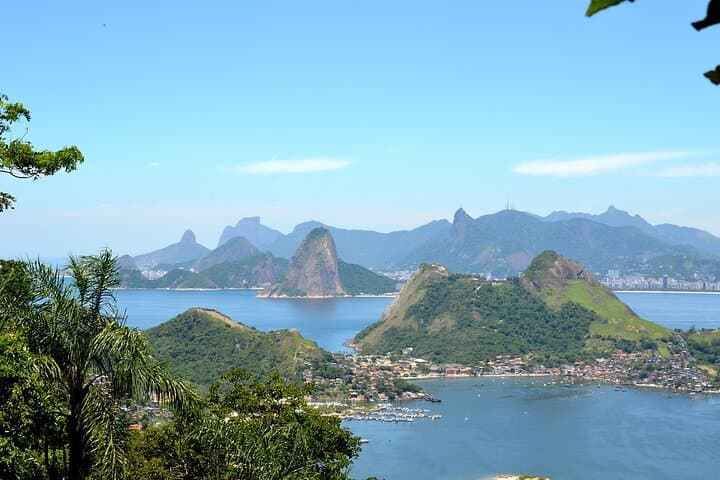
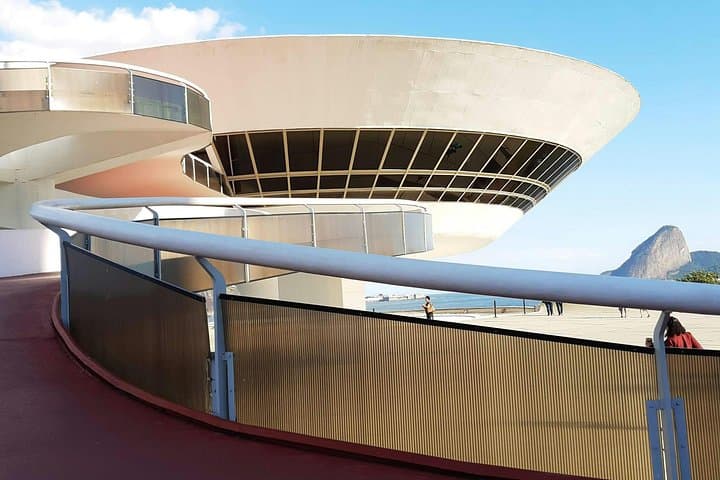
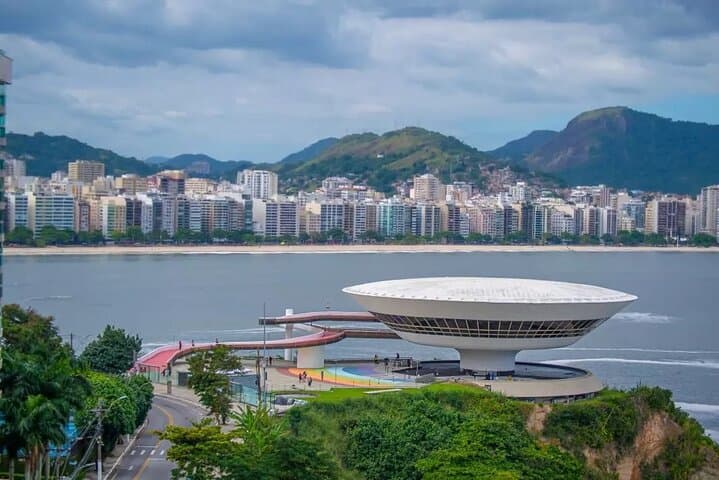
You step off the ferry or cross the Rio–Niterói Bridge and the city opens across Guanabara Bay: a coastal stage of concrete curves, short forests and salt-blown air. Streets slope toward beaches and a distinctive saucer-shaped museum perches like a ship on the shoreline, offering one of the clearest vantage points on Rio’s famous skyline.
Verified experiences and guided adventures in the surrounding area.
Operated by Rio Private Guide · Niterói, Rio de Janeiro
You step off the ferry or cross the Rio–Niterói Bridge and the city opens across Guanabara Bay: a coastal stage of concrete curves, short forests and salt-blown air. Streets slope toward beaches and a distinctive saucer-shaped museum perches like a ship on the shoreline, offering one of the clearest vantage points on Rio’s famous skyline.
Niterói’s story is part maritime town, part modernist gallery. Founded in the 16th century as a coastal defense and trading point, it later became the canvas for Oscar Niemeyer, whose sweeping concrete forms—Popular Theater, Roberto Silveira Memorial and the MAC—gave the city its 20th-century identity. Geologically, the coastline sits on ancient gneiss and granitic outcrops; low coastal cliffs and small islands punctuate the bay.
Culturally, Niterói mixes seafood restaurants in Jurujuba with late-night samba spots; its beaches are calmer than Rio’s busier shores. The tour routes the Niemeyer Path, drives past civic works and pauses at Boa Viagem island where fort remnants quietly recall colonial defenses.
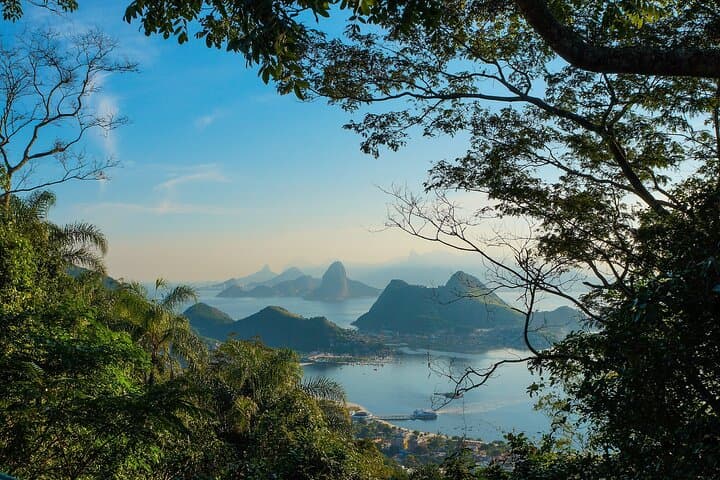
Practically, expect an eight-hour private excursion with moderate walking over paved viewpoints and short uneven paths on the island. Bring sunscreen, a refillable water bottle and comfortable shoes; mornings and late afternoons deliver the best light for photos and cooler temperatures. Lunch is typically in a local restaurant—seafood-forward—and the Mirante Parque da Cidade is the stop for panoramic views before the return across the bridge. The trip blends architecture, coastal scenery and a clear sense of place—ideal for travelers who want cultural depth without strenuous hiking.
moderate.
6–8 hours.
Moderate fitness: able to stand and walk short distances, climb stairs and handle uneven surfaces.
The private tour lasts about eight hours and includes private transport, visits to Niemeyer sites (including the MAC), a stop at Boa Viagem island, Mirante Parque da Cidade and a lunch stop; museum entrance is typically included as described in your booking.
Yes, if participants can manage short walks and stairs; it’s not recommended for those with severe mobility limitations or serious spinal/cardiac conditions.
As a private tour, the guide can often tailor stops and pacing—confirm any changes when booking or at pickup.
Shoulder seasons (spring and fall) offer warm weather with fewer crowds; summer has stronger light and occasional rain while winter is milder and drier.
Niterói developed as a colonial port and defensive outpost; in the 20th century it became a showcase for Oscar Niemeyer’s modernist architecture, reshaping its civic identity.
Coastal development pressures and litter impact beaches and marine life; visitors can help by using designated paths, avoiding single-use plastics and supporting local conservation groups.
Rio Private Guide operates guided outdoor trips and adventures with an emphasis on safety, stewardship, and memorable experiences.
You step off the ferry or cross the Rio–Niterói Bridge and the city opens across Guanabara Bay: a coastal stage of concrete curves, short forests and salt-blown air. Streets slope toward beaches and a distinctive saucer-shaped museum perches like a ship on the shoreline, offering one of the clearest vantage points on Rio’s famous skyline.
You step off the ferry or cross the Rio–Niterói Bridge and the city opens across Guanabara Bay: a coastal stage of concrete curves, short forests and salt-blown air. Streets slope toward beaches and a distinctive saucer-shaped museum perches like a ship on the shoreline, offering one of the clearest vantage points on Rio’s famous skyline.
Niterói’s story is part maritime town, part modernist gallery. Founded in the 16th century as a coastal defense and trading point, it later became the canvas for Oscar Niemeyer, whose sweeping concrete forms—Popular Theater, Roberto Silveira Memorial and the MAC—gave the city its 20th-century identity. Geologically, the coastline sits on ancient gneiss and granitic outcrops; low coastal cliffs and small islands punctuate the bay.
Culturally, Niterói mixes seafood restaurants in Jurujuba with late-night samba spots; its beaches are calmer than Rio’s busier shores. The tour routes the Niemeyer Path, drives past civic works and pauses at Boa Viagem island where fort remnants quietly recall colonial defenses.
Practically, expect an eight-hour private excursion with moderate walking over paved viewpoints and short uneven paths on the island. Bring sunscreen, a refillable water bottle and comfortable shoes; mornings and late afternoons deliver the best light for photos and cooler temperatures. Lunch is typically in a local restaurant—seafood-forward—and the Mirante Parque da Cidade is the stop for panoramic views before the return across the bridge. The trip blends architecture, coastal scenery and a clear sense of place—ideal for travelers who want cultural depth without strenuous hiking.