THE ADVENTURE COLLECTIVE® · Independent discovery and booking for outdoor travel

Cross the Aegean for a day on Nisyros: walk the rim of Stefanos crater, explore Mandraki’s hilltop monastery carved into rock, and drink in caldera views. This full-day from Kos pairs a scenic boat ride with a guided look at living volcanic geology.
Cross the Aegean for a day on Nisyros: walk the rim of Stefanos crater, explore Mandraki’s hilltop monastery carved into rock, and drink in caldera views. This full-day from Kos pairs a scenic boat ride with a guided look at living volcanic geology.
You step off the white motorboat into a pocket of island air that smells faintly of sulphur and thyme. The harbor at Mandraki hums with ferry people and a patient bus idling beneath sun-baked stone houses; beyond them the volcano’s rim rises like a weathered amphitheater, heat whispering from fissures.
Verified experiences and guided adventures in the surrounding area.
Operated by El Greco Tours · Mandraki, South Aegean
You step off the white motorboat into a pocket of island air that smells faintly of sulphur and thyme. The harbor at Mandraki hums with ferry people and a patient bus idling beneath sun-baked stone houses; beyond them the volcano’s rim rises like a weathered amphitheater, heat whispering from fissures.
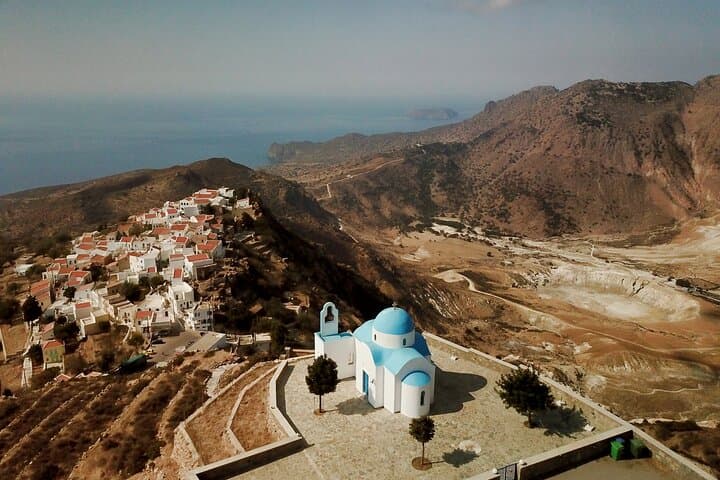
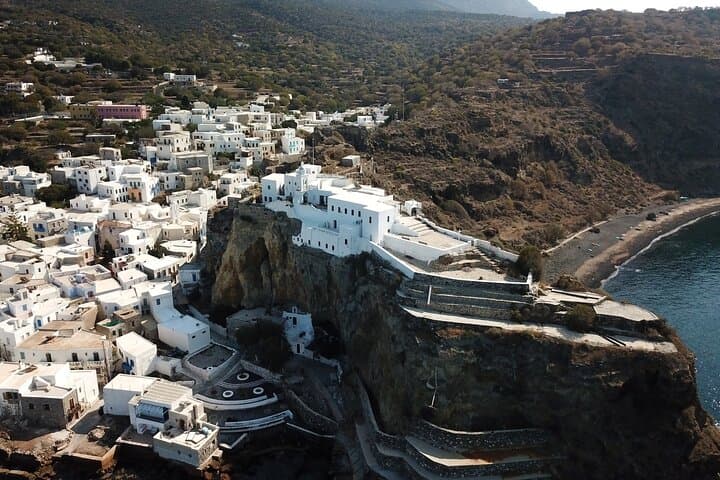
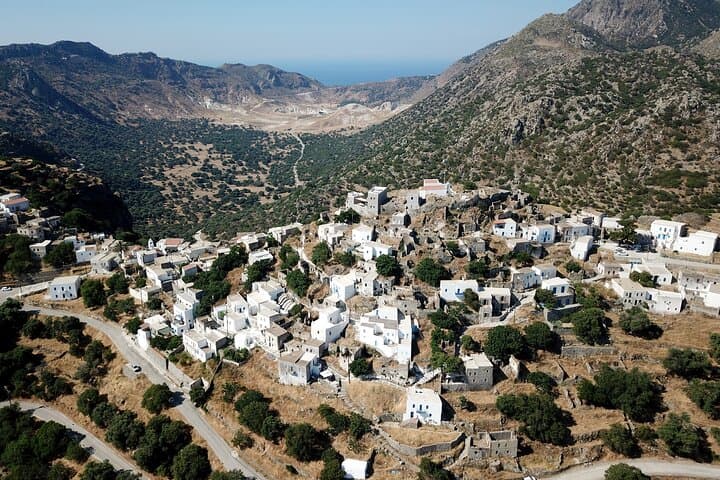
Nisyros is a young volcanic island in the Dodecanese, formed by explosive eruptions and caldera collapse. The Stefanos crater—one of Europe’s most accessible volcanic craters—lets you stand over steaming fumaroles and hear the earth’s pressure in a low, constant hum. Nearby, Mandraki and the little village of Nikia show layers of human history: Byzantine churches, Ottoman-era influences and the Monastery of Panagia Spiliani built into a cave above the town.
The tour combines a one-hour boat crossing from Kos, a bus transfer across the island, and a guided walk to the crater rim, followed by free time for lunch and exploration in the capital. Expect uneven volcanic rock underfoot, short uphill sections to viewpoints, and distinct smells from fumaroles; the guide explains geology and the Knights-era fortifications that dot the coast.
Practical edge: wear sturdy shoes with grip, bring 1–2 liters of water, and a sun layer—shade is limited on the crater. The visit suits casual walkers comfortable on rocky surfaces; total excursion runs about 10 hours including transfers. If you’re prone to seasickness, take precautions for the 60‑minute crossing. Respect posted signs around fumaroles—fragile ground and hot vents demand distance, and local conservation relies on visitors staying on trails.
easy.
10 hours.
Suitable for casual walkers comfortable with short uphill sections and uneven volcanic terrain; minimal sustained exertion.
The boat crossing is roughly 60 minutes each way, depending on sea conditions and the vessel schedule.
The walk is short but on uneven ground; children and older adults can participate if they are steady on their feet and supervised—follow the guide’s instructions around fumaroles.
Admission specifics vary—this tour provides guided access to the crater area but check with the operator for any local site fees or donations to the monastery.
Yes—Mandraki and Nikia have tavernas and small shops, and you’ll have free time for lunch, though options may be limited outside peak season.
Nisyros formed from powerful volcanic activity in the Quaternary; medieval fortifications and the Panagia Spiliani monastery reflect layers of Byzantine and Crusader-era history.
The caldera and fumarole zones are sensitive—stay on marked trails, avoid collecting rocks, and follow guide directions to minimize erosion and disturbance.
El Greco Tours operates guided outdoor trips and adventures with an emphasis on safety, stewardship, and memorable experiences.
You step off the white motorboat into a pocket of island air that smells faintly of sulphur and thyme. The harbor at Mandraki hums with ferry people and a patient bus idling beneath sun-baked stone houses; beyond them the volcano’s rim rises like a weathered amphitheater, heat whispering from fissures.
You step off the white motorboat into a pocket of island air that smells faintly of sulphur and thyme. The harbor at Mandraki hums with ferry people and a patient bus idling beneath sun-baked stone houses; beyond them the volcano’s rim rises like a weathered amphitheater, heat whispering from fissures.
Nisyros is a young volcanic island in the Dodecanese, formed by explosive eruptions and caldera collapse. The Stefanos crater—one of Europe’s most accessible volcanic craters—lets you stand over steaming fumaroles and hear the earth’s pressure in a low, constant hum. Nearby, Mandraki and the little village of Nikia show layers of human history: Byzantine churches, Ottoman-era influences and the Monastery of Panagia Spiliani built into a cave above the town.
The tour combines a one-hour boat crossing from Kos, a bus transfer across the island, and a guided walk to the crater rim, followed by free time for lunch and exploration in the capital. Expect uneven volcanic rock underfoot, short uphill sections to viewpoints, and distinct smells from fumaroles; the guide explains geology and the Knights-era fortifications that dot the coast.
Practical edge: wear sturdy shoes with grip, bring 1–2 liters of water, and a sun layer—shade is limited on the crater. The visit suits casual walkers comfortable on rocky surfaces; total excursion runs about 10 hours including transfers. If you’re prone to seasickness, take precautions for the 60‑minute crossing. Respect posted signs around fumaroles—fragile ground and hot vents demand distance, and local conservation relies on visitors staying on trails.