THE ADVENTURE COLLECTIVE® · Independent discovery and booking for outdoor travel

Walk Nishiki Market with a chef to turn browsing into a hands-on lesson in Kyoto cuisine. This four-hour private tour blends market tastings with visits to Gion, Yasaka Shrine and Kiyomizu-dera.
Walk Nishiki Market with a chef to turn browsing into a hands-on lesson in Kyoto cuisine. This four-hour private tour blends market tastings with visits to Gion, Yasaka Shrine and Kiyomizu-dera.
You step from a tree-lined avenue into a narrow covered lane where scent and sound take over: sizzling skewers, pickled ginger, ocean-salt air from the fish stalls, and the clack of knives on wooden blocks. Nishiki Market opens like a living kitchen at the city’s center, and following a chef-guide here turns browsing into a lesson—tastes arrive in sequence and stories follow each bite.
Verified experiences and guided adventures in the surrounding area.
Operated by MAKASETE LLC · Kyoto, Kyoto Prefecture
You step from a tree-lined avenue into a narrow covered lane where scent and sound take over: sizzling skewers, pickled ginger, ocean-salt air from the fish stalls, and the clack of knives on wooden blocks. Nishiki Market opens like a living kitchen at the city’s center, and following a chef-guide here turns browsing into a lesson—tastes arrive in sequence and stories follow each bite.
The market has roots as a merchant street that grew around a 17th-century fish market and today maps Kyoto’s long relationship with preservation, fermentation, and seasonality. A short walk moves you from market alleys to sacred ground—Nishiki Tenmangu and Yasaka Shrine—then along Hanamikoji toward Gion’s wooden machiya and the hillside serenity of Kiyomizu-dera, which crowns the eastern ridgeline and looks down over the Kyoto basin.
Expect practical demonstrations: how to smell dashi, why pickling extends a fisherman’s catch, and where master cutlers hone knives a few stalls in. Your chef will point out small producers—soy sauce brewers, picklers, matcha artisans—and note seasonal shifts in produce and fish.
Plan for four hours on foot: comfortable shoes, small cash for micro-stalls, and an appetite for sampling. Mornings are cooler and less crowded; late afternoons give better light for Kiyomizu-dera’s terraces. Be mindful at shrines—speak softly, photograph respectfully—and carry a reusable bag to limit waste. This is urban exploration led by taste, where culture, history, and hands-on foodcraft move at the same brisk pace as the market itself.
moderate.
4 hours.
Light to moderate fitness—comfortable walking for 2–3 miles with some steps and short hills
Yes—your private chef-guide will arrange tastings at market stalls; major temple entrance fees are included as noted in the tour details.
Inform the operator when booking; the chef-guide can usually tailor tastings but some traditional items may be difficult to replace.
The guide can meet you at your hotel or a central Kyoto location—confirm your preference when booking.
Families are welcome, but infants must sit on laps and participants should be able to walk for several hours; not recommended for those with serious heart conditions.
Nishiki developed from a 17th-century fish market and became Kyoto’s central food street, reflecting the city’s long tradition of preservation, pickling, and artisanal foodcraft.
Support small vendors, avoid single-use plastics, and carry out any trash; Kyoto’s markets rely on local shoppers and low-waste practices to remain viable.
MAKASETE LLC operates guided outdoor trips and adventures with an emphasis on safety, stewardship, and memorable experiences.
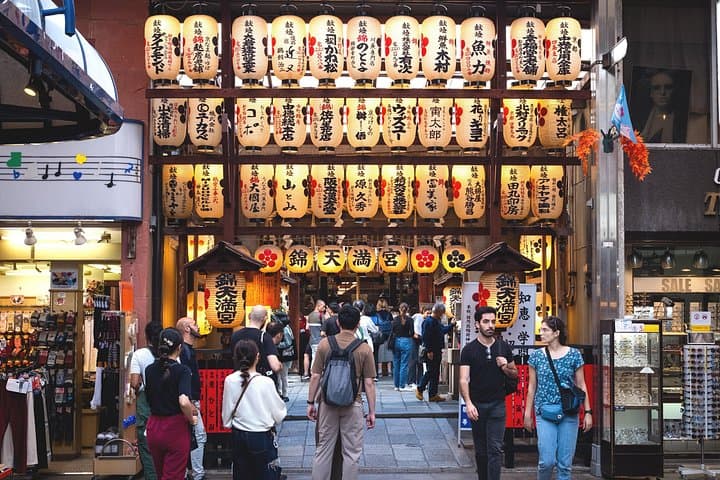
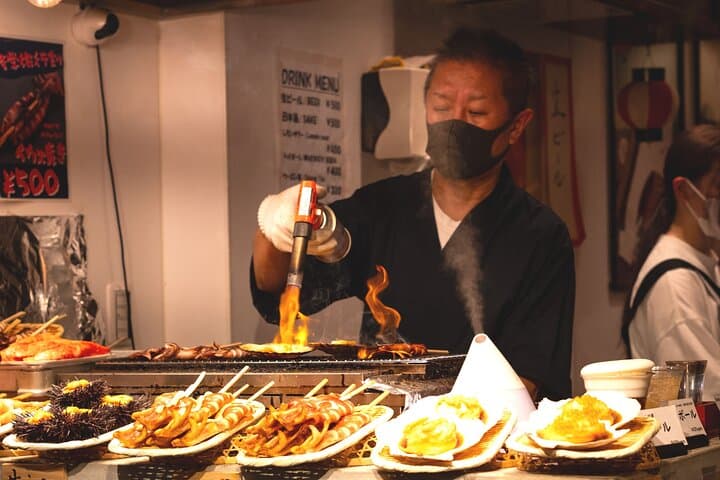
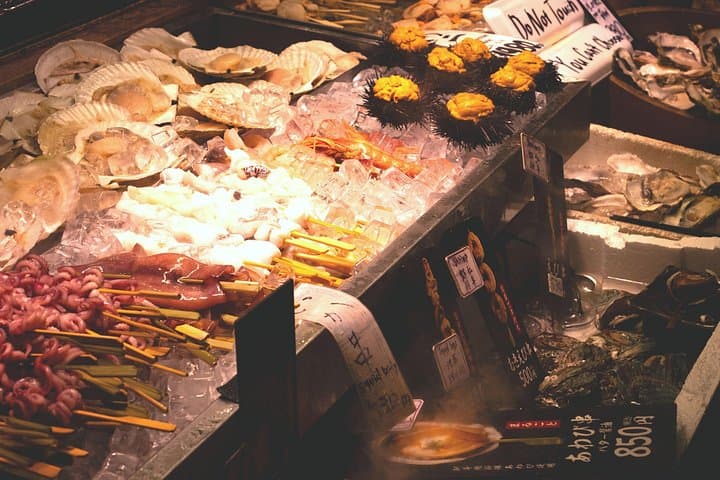
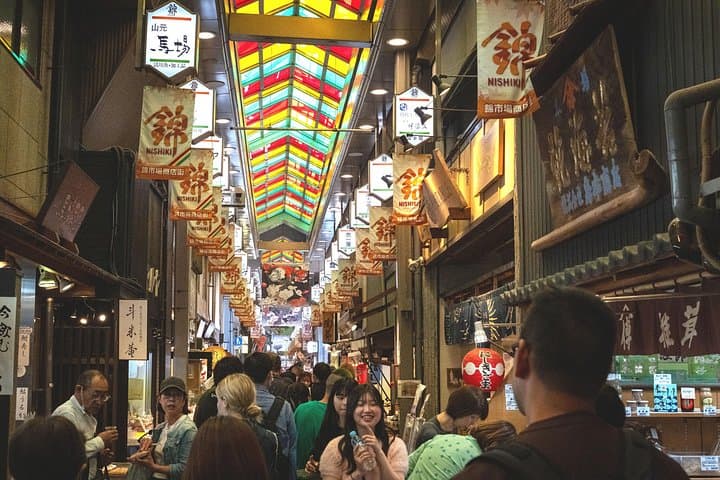
You step from a tree-lined avenue into a narrow covered lane where scent and sound take over: sizzling skewers, pickled ginger, ocean-salt air from the fish stalls, and the clack of knives on wooden blocks. Nishiki Market opens like a living kitchen at the city’s center, and following a chef-guide here turns browsing into a lesson—tastes arrive in sequence and stories follow each bite.
You step from a tree-lined avenue into a narrow covered lane where scent and sound take over: sizzling skewers, pickled ginger, ocean-salt air from the fish stalls, and the clack of knives on wooden blocks. Nishiki Market opens like a living kitchen at the city’s center, and following a chef-guide here turns browsing into a lesson—tastes arrive in sequence and stories follow each bite.
The market has roots as a merchant street that grew around a 17th-century fish market and today maps Kyoto’s long relationship with preservation, fermentation, and seasonality. A short walk moves you from market alleys to sacred ground—Nishiki Tenmangu and Yasaka Shrine—then along Hanamikoji toward Gion’s wooden machiya and the hillside serenity of Kiyomizu-dera, which crowns the eastern ridgeline and looks down over the Kyoto basin.
Expect practical demonstrations: how to smell dashi, why pickling extends a fisherman’s catch, and where master cutlers hone knives a few stalls in. Your chef will point out small producers—soy sauce brewers, picklers, matcha artisans—and note seasonal shifts in produce and fish.
Plan for four hours on foot: comfortable shoes, small cash for micro-stalls, and an appetite for sampling. Mornings are cooler and less crowded; late afternoons give better light for Kiyomizu-dera’s terraces. Be mindful at shrines—speak softly, photograph respectfully—and carry a reusable bag to limit waste. This is urban exploration led by taste, where culture, history, and hands-on foodcraft move at the same brisk pace as the market itself.