THE ADVENTURE COLLECTIVE® · Independent discovery and booking for outdoor travel

Spend a full day exploring Ninh Binh’s karst rivers and ancient temples: glide through Tam Coc’s caves, visit Hoa Lu’s 10th‑century shrines, climb Hang Mua’s 500 steps for sweeping vistas, and share a home-cooked meal with a local family.
Spend a full day exploring Ninh Binh’s karst rivers and ancient temples: glide through Tam Coc’s caves, visit Hoa Lu’s 10th‑century shrines, climb Hang Mua’s 500 steps for sweeping vistas, and share a home-cooked meal with a local family.
A low-slung bus eases out of Hanoi at dawn and the city grid gives way to wide rice flats framed by sheer limestone towers. By midmorning you stand at Hoa Lu where carved wooden beams and tiled roofs mark Vietnam’s first independent capital—temples honoring Dinh and Le dynasty founders look out over karst ridges that have guarded this land for a thousand years.
Verified experiences and guided adventures in the surrounding area.
Operated by Gen Z Tours · Ninh Binh, Ninh Binh
A low-slung bus eases out of Hanoi at dawn and the city grid gives way to wide rice flats framed by sheer limestone towers. By midmorning you stand at Hoa Lu where carved wooden beams and tiled roofs mark Vietnam’s first independent capital—temples honoring Dinh and Le dynasty founders look out over karst ridges that have guarded this land for a thousand years.
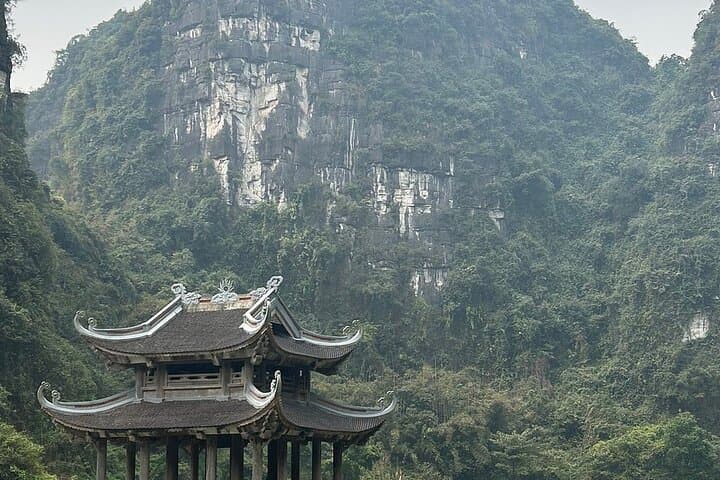
The region’s geology is immediate: weathered limestone spires sculpted by rivers, joints and time, pierced by dark caverns. On the Ngo Dong River, a small sampan glides between cliff faces; the boatman’s pole nudges you through three caves where light filters like a slow shutter. The countryside smells of wet earth and frying garlic as you cycle past paddies, and a home-cooked lunch with a local family offers a clear, human counterpoint to the rocks and water.
Later, Hang Mua’s 500 stone steps demand attention—expect roughly 100 meters of ascent across uneven steps before the viewpoint opens, a broad ledge that throws Tam Coc’s rice mosaic and river loops into sharp relief.
Practicalities: the tour runs about 7–8 hours with hotel pickup from Hanoi, includes entry fees, lunch and water, and is suitable for most fitness levels though the Hang Mua climb is steep. Bring sturdy shoes, sun protection, and a lightweight rain layer in the monsoon season. Cash for tips and small purchases is useful. Timing your visit for early morning or late afternoon softens the heat and light; the landscape responds, the river daring you to look closer.
moderate.
7–8 hours.
Suitable for travelers in reasonable shape who can handle several hours of walking, a 1–2 hour gentle boat ride, and a steep stair climb of ~500 steps.
The Tam Coc boat portion lasts roughly 60–90 minutes, gliding through three caves and along the Ngo Dong River at a relaxed pace.
The ascent is steep with about 500 uneven stone steps and an elevation gain near 100 meters; it’s manageable with steady pacing and basic fitness.
Yes—bring small Vietnamese dong for tips, snacks, bicycle rentals, or purchases at local stalls, as many vendors do not accept cards.
Most departures include hotel pickup from Hanoi’s Old Quarter or French Quarter; confirm your pickup point during booking.
Hoa Lu served as Vietnam’s capital in the 10th century and contains temples honoring the Dinh and Le dynasties, offering direct links to early Vietnamese statehood.
Ninh Binh’s wetlands and karst ecosystems are sensitive to tourism and agriculture; visitors can reduce impact by staying on paths, avoiding single-use plastics, and supporting local homestays.
Gen Z Tours operates guided outdoor trips and adventures with an emphasis on safety, stewardship, and memorable experiences.

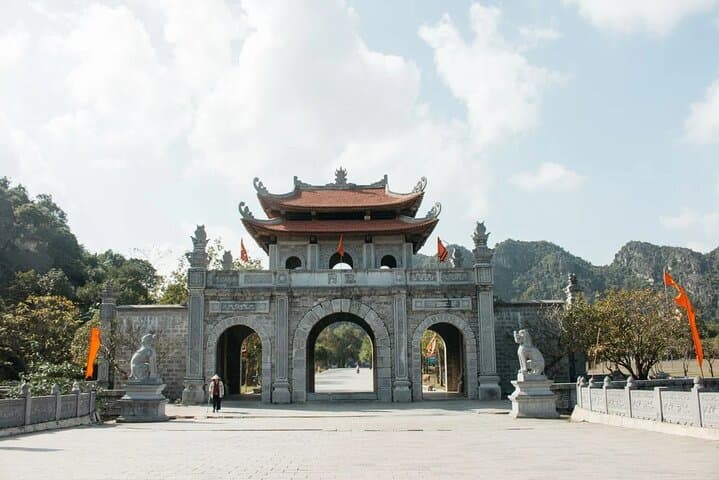

A low-slung bus eases out of Hanoi at dawn and the city grid gives way to wide rice flats framed by sheer limestone towers. By midmorning you stand at Hoa Lu where carved wooden beams and tiled roofs mark Vietnam’s first independent capital—temples honoring Dinh and Le dynasty founders look out over karst ridges that have guarded this land for a thousand years.
A low-slung bus eases out of Hanoi at dawn and the city grid gives way to wide rice flats framed by sheer limestone towers. By midmorning you stand at Hoa Lu where carved wooden beams and tiled roofs mark Vietnam’s first independent capital—temples honoring Dinh and Le dynasty founders look out over karst ridges that have guarded this land for a thousand years.
The region’s geology is immediate: weathered limestone spires sculpted by rivers, joints and time, pierced by dark caverns. On the Ngo Dong River, a small sampan glides between cliff faces; the boatman’s pole nudges you through three caves where light filters like a slow shutter. The countryside smells of wet earth and frying garlic as you cycle past paddies, and a home-cooked lunch with a local family offers a clear, human counterpoint to the rocks and water.
Later, Hang Mua’s 500 stone steps demand attention—expect roughly 100 meters of ascent across uneven steps before the viewpoint opens, a broad ledge that throws Tam Coc’s rice mosaic and river loops into sharp relief.
Practicalities: the tour runs about 7–8 hours with hotel pickup from Hanoi, includes entry fees, lunch and water, and is suitable for most fitness levels though the Hang Mua climb is steep. Bring sturdy shoes, sun protection, and a lightweight rain layer in the monsoon season. Cash for tips and small purchases is useful. Timing your visit for early morning or late afternoon softens the heat and light; the landscape responds, the river daring you to look closer.