THE ADVENTURE COLLECTIVE® · Independent discovery and booking for outdoor travel

A full-day exploration of Ninh Binh that pairs a panoramic climb at Mua Cave with a serene sampan through Trang An and a cultural stop at Hoa Lu. Expect limestone vistas, village hospitality, and a mix of walking, biking and boating.
A full-day exploration of Ninh Binh that pairs a panoramic climb at Mua Cave with a serene sampan through Trang An and a cultural stop at Hoa Lu. Expect limestone vistas, village hospitality, and a mix of walking, biking and boating.
You step out of the limousine into a map of limestone teeth and rice paddies; the air smells of wet earth and frying garlic, and a narrow path winds toward the steep stairway of Hang Mua. The climb is immediate—stone steps cut into the karst flank—rewarding each breath with broader panoramas of ribboned rivers and boats like ink strokes below.
Verified experiences and guided adventures in the surrounding area.
Operated by Authentic Travel Ho Chi Minh · Tam Coc, Ninh Binh
You step out of the limousine into a map of limestone teeth and rice paddies; the air smells of wet earth and frying garlic, and a narrow path winds toward the steep stairway of Hang Mua. The climb is immediate—stone steps cut into the karst flank—rewarding each breath with broader panoramas of ribboned rivers and boats like ink strokes below.
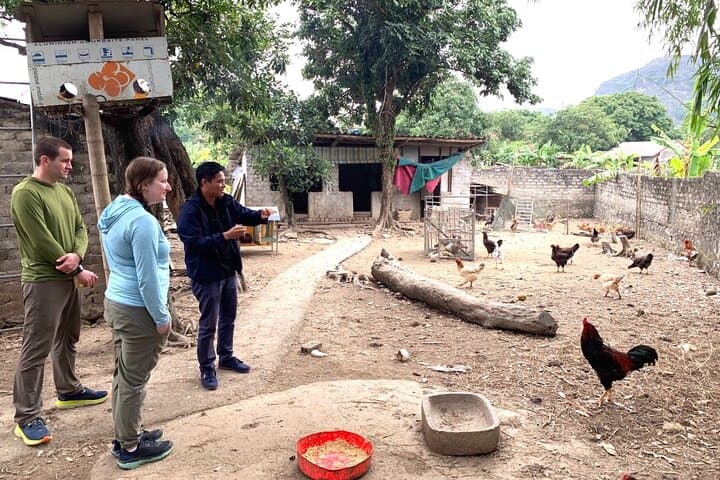
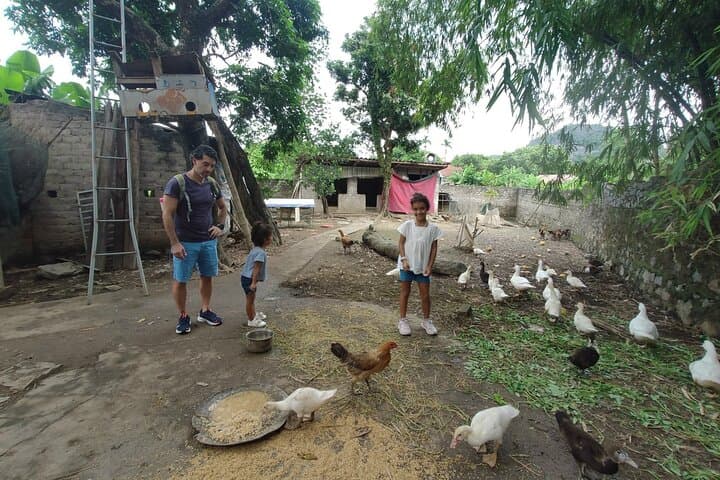
This itinerary threads cultural history and geology: Hoa Lu’s 10th–11th century temples recall Vietnam’s early dynastic centers, while the karst landscape—limestone bedrock sculpted by millennia of water—creates caves, sinkholes and the waterways of Trang An. Local farmers practice VAC (garden-pond-cage) agriculture here, a living system that shapes the countryside and community rhythms.
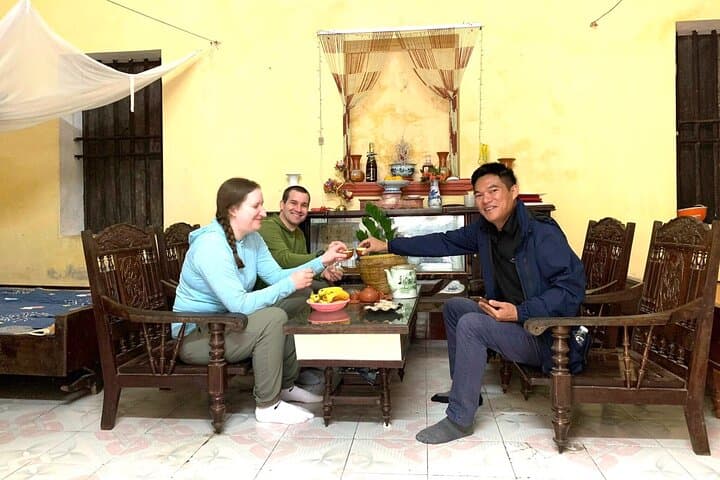
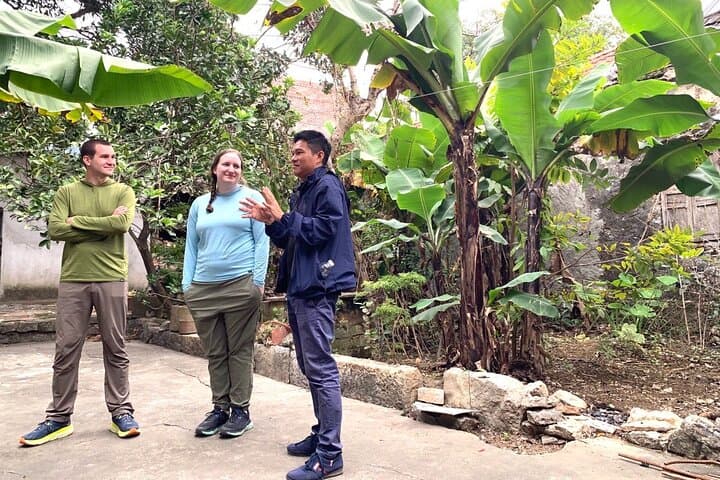
On a sampan through Trang An, tunnels narrow and the river seems to pull you into the limestone; on land, a short bike ride and a visit to a farmer’s home put daily life into clear focus. The day balances easy paddling, measured climbs, and cultural stops—so you’ll alternately glide, pedal, and walk.
Practical guidance: start early from Hanoi, wear grippy shoes for the Hang Mua steps, and bring layered rain protection in summer. Cash is useful in villages; keep sunscreen and insect repellent handy for riverside stretches. The route is accessible to most travelers but includes uneven terrain and stairs—move deliberately on descents and allow extra time for photography at viewpoints.
moderate.
10–11 hours.
Light to moderate fitness recommended—able to handle short climbs, stairs, and a short bike ride (flat to rolling terrain).
The tour is a full day—travel time is about 2 hours each way from Hanoi Old Quarter, with return typically between 19:15–19:30 to Hanoi hotels.
The climb involves several hundred stone steps; it’s steep but short—take breaks, use handrails where available, and decline the ascent if mobility is limited.
Yes—boats (sampans) are traditionally rowed by trained local boatmen; life jackets may not always be used, so non-swimmers should remain seated and cautious near cave entrances.
Yes—the operator notes they can accommodate vegetarian, vegan, and gluten-free requests if specified when booking.
Hoa Lu served as Vietnam’s capital in the 10th–11th centuries under the Dinh, Le and early Ly dynasties; temples here commemorate early kings and local worship traditions.
Visitors should stick to marked paths and avoid feeding wildlife; the Trang An complex is a protected UNESCO site where responsible tourism supports local conservation and cultural preservation.
Authentic Travel Ho Chi Minh operates guided outdoor trips and adventures with an emphasis on safety, stewardship, and memorable experiences.
You step out of the limousine into a map of limestone teeth and rice paddies; the air smells of wet earth and frying garlic, and a narrow path winds toward the steep stairway of Hang Mua. The climb is immediate—stone steps cut into the karst flank—rewarding each breath with broader panoramas of ribboned rivers and boats like ink strokes below.
You step out of the limousine into a map of limestone teeth and rice paddies; the air smells of wet earth and frying garlic, and a narrow path winds toward the steep stairway of Hang Mua. The climb is immediate—stone steps cut into the karst flank—rewarding each breath with broader panoramas of ribboned rivers and boats like ink strokes below.
This itinerary threads cultural history and geology: Hoa Lu’s 10th–11th century temples recall Vietnam’s early dynastic centers, while the karst landscape—limestone bedrock sculpted by millennia of water—creates caves, sinkholes and the waterways of Trang An. Local farmers practice VAC (garden-pond-cage) agriculture here, a living system that shapes the countryside and community rhythms.
On a sampan through Trang An, tunnels narrow and the river seems to pull you into the limestone; on land, a short bike ride and a visit to a farmer’s home put daily life into clear focus. The day balances easy paddling, measured climbs, and cultural stops—so you’ll alternately glide, pedal, and walk.
Practical guidance: start early from Hanoi, wear grippy shoes for the Hang Mua steps, and bring layered rain protection in summer. Cash is useful in villages; keep sunscreen and insect repellent handy for riverside stretches. The route is accessible to most travelers but includes uneven terrain and stairs—move deliberately on descents and allow extra time for photography at viewpoints.