THE ADVENTURE COLLECTIVE® · Independent discovery and booking for outdoor travel

Spend a full day exploring Ninh Binh’s karst fields: hike Mua Cave for widescreen views, glide through Tam Coc’s cave tunnels by sampan, and visit Hoa Lu’s 10th–11th century temples. This small-group tour blends active viewpoints, quiet waterways, and local history.
Spend a full day exploring Ninh Binh’s karst fields: hike Mua Cave for widescreen views, glide through Tam Coc’s cave tunnels by sampan, and visit Hoa Lu’s 10th–11th century temples. This small-group tour blends active viewpoints, quiet waterways, and local history.
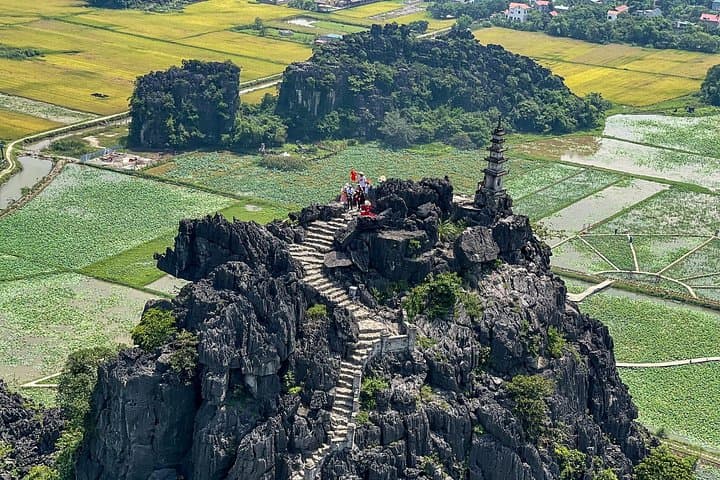
You step off the air-conditioned van into a spread of rice paddies threaded by a slow river; limestone towers rise like cut pillars and the smell of wet earth follows the rowers as they guide a wooden sampan through a narrow cave. The climb up to Mua Cave’s ridgeline demands a few hundred stepped calves, but from the summit the Tam Coc valley opens like a map — rivers wending between karst cones and farmers tending neat plots.
Verified experiences and guided adventures in the surrounding area.
Operated by LOCAL TOURS VIETNAM · Ninh Binh, Ninh Binh Province
You step off the air-conditioned van into a spread of rice paddies threaded by a slow river; limestone towers rise like cut pillars and the smell of wet earth follows the rowers as they guide a wooden sampan through a narrow cave. The climb up to Mua Cave’s ridgeline demands a few hundred stepped calves, but from the summit the Tam Coc valley opens like a map — rivers wending between karst cones and farmers tending neat plots.
Geology here is obvious: young, sharp karst of limestone and dolomite carved by underground rivers, then exposed and sculpted by monsoon seasons. Hoa Lu’s temples anchor a different layer: 10th–11th century stone pagodas and burial mounds speak to Vietnam’s early Dinh and Le dynasties and the region’s strategic importance before Hanoi rose to prominence.
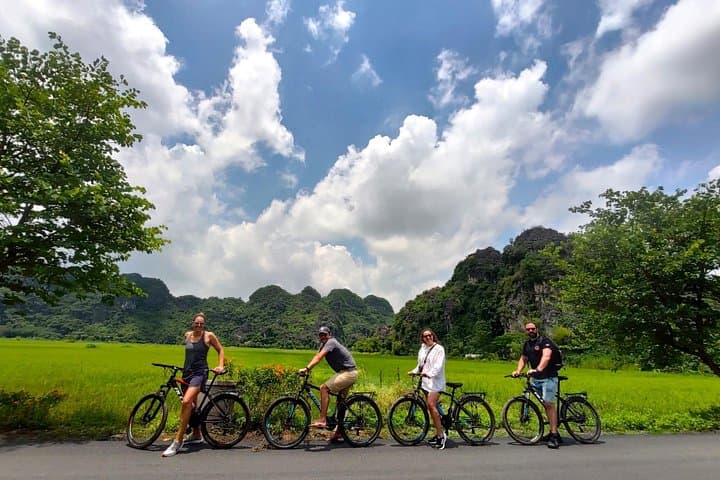
Culture arrives in small details — a local rower’s rhythmic paddling, the market light on the Ngo Dong, and the tiny roadside shrines by village paths. Practicalities shape the day: expect about 10 hours including transport from Hanoi, two hours hiking and viewpoints at Mua Cave, a sampan ride through Tam Coc’s caves, a short bike loop around rice fields, and a guided visit to Hoa Lu.
Bring sun protection and a light rain layer, wear shoes good on hot stone steps, and budget energy for steep stair sections. Morning departures avoid the largest crowds and make for softer light on the river. Respect paddlers: small tips keep these villages working with tourism rather than against it.
moderate.
10 hours.
Moderate fitness: able to climb several hundred steps, walk short stretches, and ride a bike casually around flat rice roads.
Pickup from Hanoi Old Quarter typically starts early with a total tour length around 10 hours, returning to Hanoi in the early evening.
Yes — the tour includes entrance tickets to Hoa Lu and Mua Cave, a boat ride at Tam Coc, and a Vietnamese lunch as listed in the itinerary.
The Ngo Dong river is calm and narrow; most people do not experience motion sickness, but those sensitive to motion should sit still and focus on the horizon when possible.
Yes — providers typically accept vegetarian, vegan, and gluten-free requests if noted during booking or at pickup.
Hoa Lu was Vietnam’s capital in the 10th–11th centuries under the Dinh and Le dynasties; its remaining temples and citadel ruins mark early Vietnamese state formation.
This karst landscape is vulnerable to erosion and overtourism; support local rowers, avoid trampling paddies, and minimize single-use plastics to reduce impact.
LOCAL TOURS VIETNAM operates guided outdoor trips and adventures with an emphasis on safety, stewardship, and memorable experiences.

You step off the air-conditioned van into a spread of rice paddies threaded by a slow river; limestone towers rise like cut pillars and the smell of wet earth follows the rowers as they guide a wooden sampan through a narrow cave. The climb up to Mua Cave’s ridgeline demands a few hundred stepped calves, but from the summit the Tam Coc valley opens like a map — rivers wending between karst cones and farmers tending neat plots.
You step off the air-conditioned van into a spread of rice paddies threaded by a slow river; limestone towers rise like cut pillars and the smell of wet earth follows the rowers as they guide a wooden sampan through a narrow cave. The climb up to Mua Cave’s ridgeline demands a few hundred stepped calves, but from the summit the Tam Coc valley opens like a map — rivers wending between karst cones and farmers tending neat plots.
Geology here is obvious: young, sharp karst of limestone and dolomite carved by underground rivers, then exposed and sculpted by monsoon seasons. Hoa Lu’s temples anchor a different layer: 10th–11th century stone pagodas and burial mounds speak to Vietnam’s early Dinh and Le dynasties and the region’s strategic importance before Hanoi rose to prominence.
Culture arrives in small details — a local rower’s rhythmic paddling, the market light on the Ngo Dong, and the tiny roadside shrines by village paths. Practicalities shape the day: expect about 10 hours including transport from Hanoi, two hours hiking and viewpoints at Mua Cave, a sampan ride through Tam Coc’s caves, a short bike loop around rice fields, and a guided visit to Hoa Lu.
Bring sun protection and a light rain layer, wear shoes good on hot stone steps, and budget energy for steep stair sections. Morning departures avoid the largest crowds and make for softer light on the river. Respect paddlers: small tips keep these villages working with tourism rather than against it.