THE ADVENTURE COLLECTIVE® · Independent discovery and booking for outdoor travel

Spend a long day exploring Ninh Binh’s largest pagoda, a UNESCO‑listed waterway and a dramatic hilltop viewpoint. This private tour blends cultural sites, a tranquil boat trip through cave tunnels, and a steep climb for panoramic views of Tam Coc.
Spend a long day exploring Ninh Binh’s largest pagoda, a UNESCO‑listed waterway and a dramatic hilltop viewpoint. This private tour blends cultural sites, a tranquil boat trip through cave tunnels, and a steep climb for panoramic views of Tam Coc.
Morning light breaks over low limestone towers as your private car leaves Hanoi and eases into the patchwork rice fields of Ninh Binh. By midmorning you’re walking temple courtyards beneath the soaring rooflines of Bai Dinh, where hundreds of La Hán figures and a ten‑meter bronze Buddha register the region’s deep Buddhist history and scale-driven devotion.
Verified experiences and guided adventures in the surrounding area.
Operated by Local Tours ASIA · Ninh Binh, Ninh Binh Province
Morning light breaks over low limestone towers as your private car leaves Hanoi and eases into the patchwork rice fields of Ninh Binh. By midmorning you’re walking temple courtyards beneath the soaring rooflines of Bai Dinh, where hundreds of La Hán figures and a ten‑meter bronze Buddha register the region’s deep Buddhist history and scale-driven devotion.
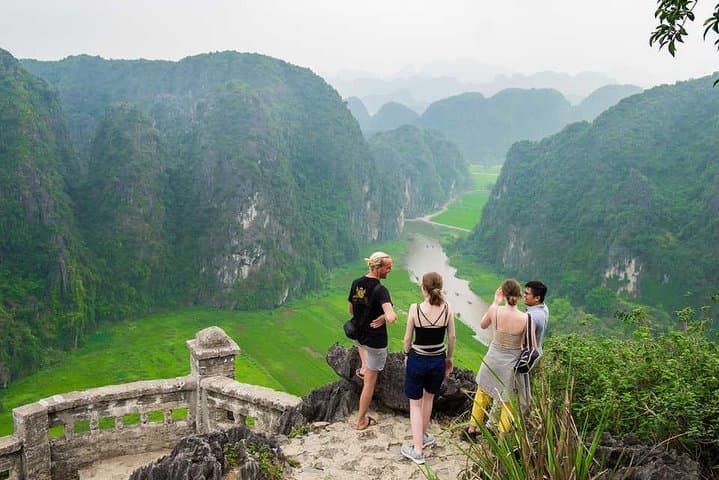
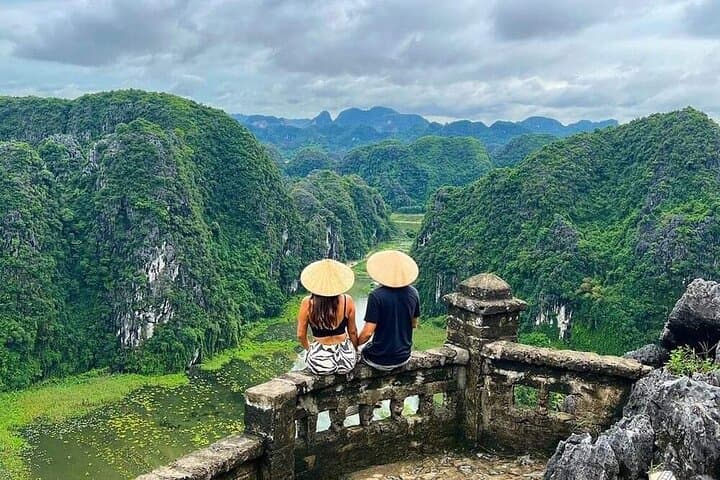
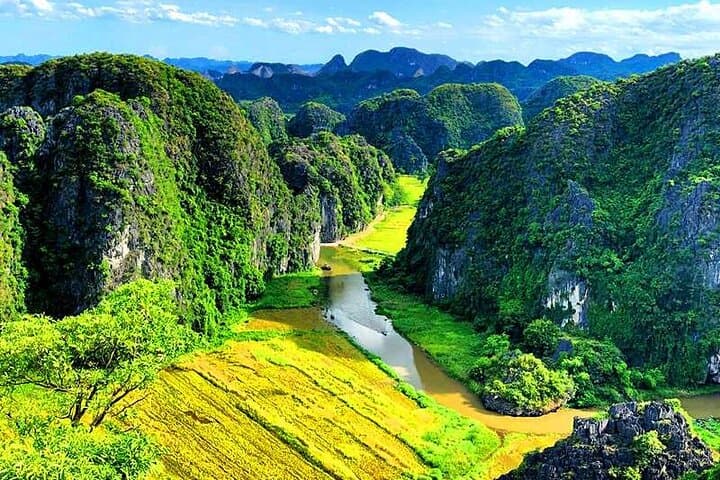
Geologically this is classic northern Vietnamese karst—limestone folded and hollowed into caves and river tunnels. Trang An’s braided waterways have been carved into a network of narrow caves and open pools; boatmen guide you through low, cool tunnels that feel like the landscape’s lungs. Mua Cave demands almost 500 stone steps; the ascent rewards you with a wide, river-scattered panorama of Tam Coc’s fields and cliffs, a clear view of how agriculture and geology intersect here.
Culturally, the area mixes rural life with pilgrimage and film fame—scenes for the recent “Skull Island” helped raise awareness of the region. Expect friendly vendors at entry points, modest temples, and cyclists on country lanes.
Practical guidance: this is a long day—10–11 hours—so pace yourself. Wear grippy shoes for wet boat docks and steps, carry water and sun protection, and budget time for a seated lunch. Boat sections are calm but low‑ceilinged; keep a dry bag for cameras. If you’re prone to heat fatigue, schedule the ascent to Mua Cave outside peak midday sun. Pickup from Hanoi typically involves one short stop on the highway; if you prefer staying local, consider an overnight in Ninh Binh to split activities into two gentler days.
moderate.
10–11 hours.
Moderate fitness: comfortable walking, able to climb stairs and board low boats; not technical but requires stamina for a full day.
The tour runs about 10–11 hours; typical pickup from Hanoi in the morning returns in the evening, roughly 8–11 PM depending on traffic.
Boat trip in Trang An and entry to major sites like Bai Dinh and Mua viewpoint are typically included on private day tours, but confirm with your operator before booking.
The climb is steep (nearly 500 steps) but manageable for those in reasonable health; take breaks, and avoid peak heat—children and those with mobility issues may find it strenuous.
Most local restaurants can accommodate vegetarian or simple dietary requests if notified in advance—tell your tour operator when booking.
Trang An’s waterways were formed over millions of years from karst processes; Bai Dinh is a modern, large‑scale pagoda complex built to host major pilgrimage activity.
Karst and wetland habitats are sensitive—avoid litter, respect boat limits, and use biodegradable sunscreen to reduce impact on waterways.
Local Tours ASIA operates guided outdoor trips and adventures with an emphasis on safety, stewardship, and memorable experiences.

Morning light breaks over low limestone towers as your private car leaves Hanoi and eases into the patchwork rice fields of Ninh Binh. By midmorning you’re walking temple courtyards beneath the soaring rooflines of Bai Dinh, where hundreds of La Hán figures and a ten‑meter bronze Buddha register the region’s deep Buddhist history and scale-driven devotion.
Morning light breaks over low limestone towers as your private car leaves Hanoi and eases into the patchwork rice fields of Ninh Binh. By midmorning you’re walking temple courtyards beneath the soaring rooflines of Bai Dinh, where hundreds of La Hán figures and a ten‑meter bronze Buddha register the region’s deep Buddhist history and scale-driven devotion.
Geologically this is classic northern Vietnamese karst—limestone folded and hollowed into caves and river tunnels. Trang An’s braided waterways have been carved into a network of narrow caves and open pools; boatmen guide you through low, cool tunnels that feel like the landscape’s lungs. Mua Cave demands almost 500 stone steps; the ascent rewards you with a wide, river-scattered panorama of Tam Coc’s fields and cliffs, a clear view of how agriculture and geology intersect here.
Culturally, the area mixes rural life with pilgrimage and film fame—scenes for the recent “Skull Island” helped raise awareness of the region. Expect friendly vendors at entry points, modest temples, and cyclists on country lanes.
Practical guidance: this is a long day—10–11 hours—so pace yourself. Wear grippy shoes for wet boat docks and steps, carry water and sun protection, and budget time for a seated lunch. Boat sections are calm but low‑ceilinged; keep a dry bag for cameras. If you’re prone to heat fatigue, schedule the ascent to Mua Cave outside peak midday sun. Pickup from Hanoi typically involves one short stop on the highway; if you prefer staying local, consider an overnight in Ninh Binh to split activities into two gentler days.