THE ADVENTURE COLLECTIVE® · Independent discovery and booking for outdoor travel

Spend a private day exploring Ninh Binh’s dramatic karst lakes and caves—climb Mua Cave for sweeping views, then glide through Trang An’s UNESCO river caves. This flexible 8-hour tour runs daily from Hanoi or Ninh Binh.
Spend a private day exploring Ninh Binh’s dramatic karst lakes and caves—climb Mua Cave for sweeping views, then glide through Trang An’s UNESCO river caves. This flexible 8-hour tour runs daily from Hanoi or Ninh Binh.
A low morning mist lifts over a river choked with limestone karsts and sampans glide like black brushstrokes across glassy water. On this full-day private tour from Hanoi or from Ninh Binh, travelers move through that landscape—often called “Halong Bay on land”—by boat, by foot and by vehicle, packing two of the region’s most arresting sights into a single eight-hour loop.
Verified experiences and guided adventures in the surrounding area.
Operated by Authentic SAPA · Ninh Binh, Ninh Binh Province
A low morning mist lifts over a river choked with limestone karsts and sampans glide like black brushstrokes across glassy water. On this full-day private tour from Hanoi or from Ninh Binh, travelers move through that landscape—often called “Halong Bay on land”—by boat, by foot and by vehicle, packing two of the region’s most arresting sights into a single eight-hour loop.
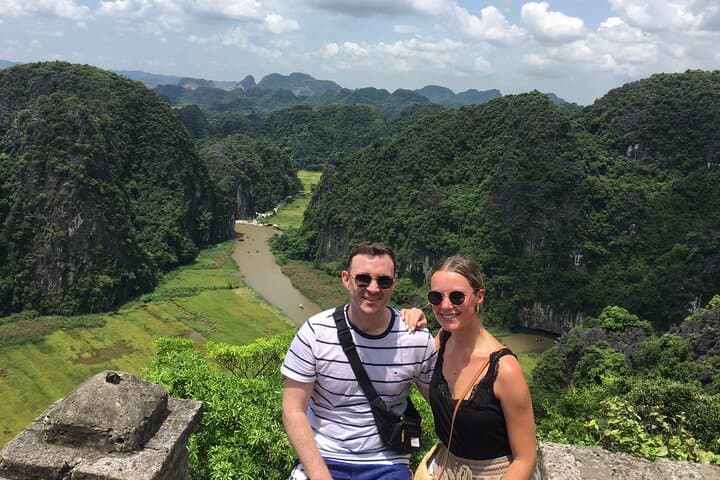
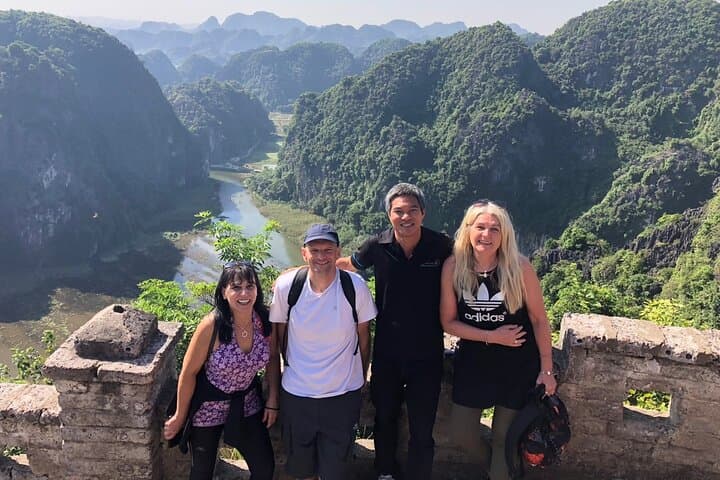
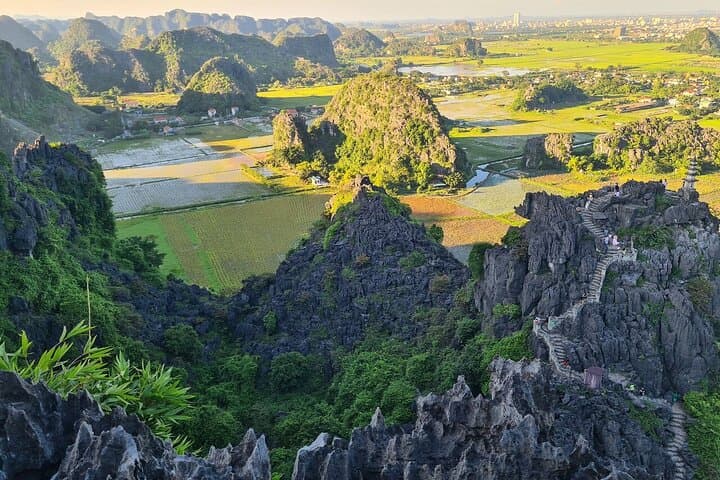
Geology here is the story: weathered limestone towers carved by millennia of rain and river, pocked with cavern mouths and pierced by narrow tunnels. The route visits Mua Cave (Hang Mua), where a steep set of roughly 500 stone steps climbs Lying Dragon Mountain for a panoramic sweep of rice paddies and karsts, then proceeds to Trang An, a UNESCO World Heritage river-cave complex used for traditional boat navigation and, lately, film shoots.
Culturally, the circuit threads through villages and temples that echo Hoa Lu’s history as Vietnam’s 10th-century capital; local guides explain rice-growing rhythms and the role of pagodas in community life. Expect handcrafted sampans steered by rowers, shaded rural roads, and a midday local lunch.
Practicalities: wear grippy walking shoes for the Mua Cave climb, bring sun protection and a light rain shell in wet months, and budget the day—two to two-and-a-half hours each way if starting from Hanoi. The itinerary is flexible and privately guided, so ask to adjust pace or swap Bich Dong for Bai Dinh if you prefer larger temples. Hydrate, carry small local currency for souvenirs and tipping, and keep camera batteries charged—the vistas repay the effort.
moderate.
8–10 hours (including transfers).
Light to moderate fitness required — able to climb several hundred steps and sit in low boats for extended periods.
Yes — the tour offers pickup from Hanoi with a 2–2.5 hour drive each way; departures are adjustable to your schedule.
The climb is steep but manageable for many; proceed slowly, bring water, and consider skipping if mobility is limited.
No — traditional human-powered sampans are used to navigate the tunnels and caves, piloted by local rowers.
Light, breathable layers, comfortable shoes with grip, and sun protection; bring a compact rain jacket in wet months.
The Ninh Binh area includes Hoa Lu, Vietnam’s 10th-century capital, and the karst landscape has long shaped settlement patterns and river trade.
Visitor numbers strain fragile karst habitats and waterways—avoid litter, follow local guide advice, and support community-run services.
Authentic SAPA operates guided outdoor trips and adventures with an emphasis on safety, stewardship, and memorable experiences.

A low morning mist lifts over a river choked with limestone karsts and sampans glide like black brushstrokes across glassy water. On this full-day private tour from Hanoi or from Ninh Binh, travelers move through that landscape—often called “Halong Bay on land”—by boat, by foot and by vehicle, packing two of the region’s most arresting sights into a single eight-hour loop.
A low morning mist lifts over a river choked with limestone karsts and sampans glide like black brushstrokes across glassy water. On this full-day private tour from Hanoi or from Ninh Binh, travelers move through that landscape—often called “Halong Bay on land”—by boat, by foot and by vehicle, packing two of the region’s most arresting sights into a single eight-hour loop.
Geology here is the story: weathered limestone towers carved by millennia of rain and river, pocked with cavern mouths and pierced by narrow tunnels. The route visits Mua Cave (Hang Mua), where a steep set of roughly 500 stone steps climbs Lying Dragon Mountain for a panoramic sweep of rice paddies and karsts, then proceeds to Trang An, a UNESCO World Heritage river-cave complex used for traditional boat navigation and, lately, film shoots.
Culturally, the circuit threads through villages and temples that echo Hoa Lu’s history as Vietnam’s 10th-century capital; local guides explain rice-growing rhythms and the role of pagodas in community life. Expect handcrafted sampans steered by rowers, shaded rural roads, and a midday local lunch.
Practicalities: wear grippy walking shoes for the Mua Cave climb, bring sun protection and a light rain shell in wet months, and budget the day—two to two-and-a-half hours each way if starting from Hanoi. The itinerary is flexible and privately guided, so ask to adjust pace or swap Bich Dong for Bai Dinh if you prefer larger temples. Hydrate, carry small local currency for souvenirs and tipping, and keep camera batteries charged—the vistas repay the effort.