THE ADVENTURE COLLECTIVE® · Independent discovery and booking for outdoor travel

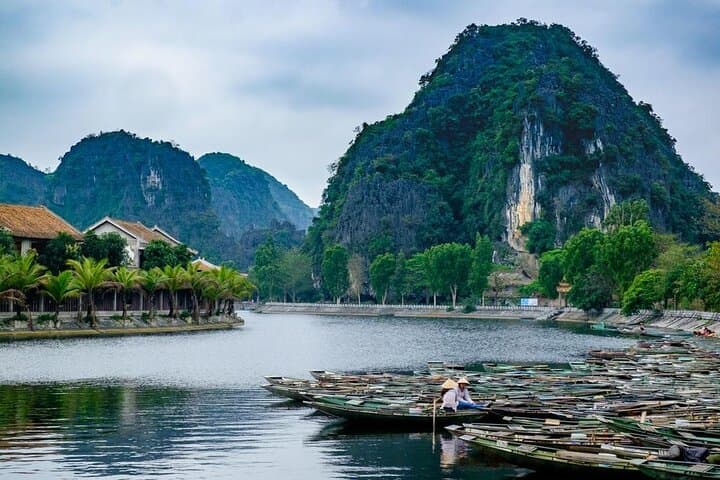
Swap Hanoi’s bustle for two days of karst cliffs, rice paddies and sampan rides. This small-group loop blends a stair climb to Hang Mua, a scenic boat on the Ngo Dong, and relaxed cycling through countryside villages.
Swap Hanoi’s bustle for two days of karst cliffs, rice paddies and sampan rides. This small-group loop blends a stair climb to Hang Mua, a scenic boat on the Ngo Dong, and relaxed cycling through countryside villages.
Morning mist clings to limestone karsts as a minibus eases out of Hanoi, the city’s clamor shrinking to a distant hum. Within two hours the road opens onto rice paddies, narrow lanes, and the jagged silhouettes of Tam Coc; bicycles and wooden sampans set the day's tempo.
Verified experiences and guided adventures in the surrounding area.
Operated by Local Tours PU LUONG · Tam Coc, Ninh Binh
Morning mist clings to limestone karsts as a minibus eases out of Hanoi, the city’s clamor shrinking to a distant hum. Within two hours the road opens onto rice paddies, narrow lanes, and the jagged silhouettes of Tam Coc; bicycles and wooden sampans set the day's tempo.
Ninh Binh sits on an exposed karst plain where rivers have cut tunnels through Permian limestone, producing steep cliffs, cave mouths, and scattered pagodas. Hoa Lu—the 10th-century capital—offers a compact window into early Vietnamese statecraft, while village life still orbits VAC (garden-pond-cage) farming and local markets that supply the region.
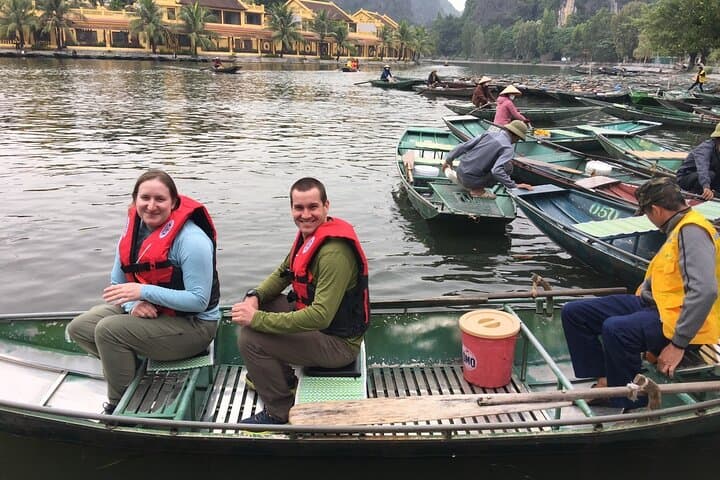
This two-day small-group loop mixes active and slow travel: a climb of roughly 500 stone steps at Hang Mua to panoramic overlooks, an hour-plus sampan ride along the Ngo Dong through cave passages, and easy countryside cycling (typically 10–20 km total) between pagodas, bird gardens, and homestays. Evenings are spent in a bungalow or 3–4 star inn; meals highlight river fish, seasonal vegetables, and regional rice.
Practical guidance: start early to avoid midday heat and packed boats; wear grippy shoes for uneven stone steps; carry a refillable water bottle and insect repellent for dusk at Thung Nham. Summer brings sudden tropical downpours—pack a light rain layer—and winter mornings can be cool and misty. The tour’s nine-person maximum keeps the pace personal; expect knowledgeable guides, straightforward logistics, and a steady rhythm of walking, pedaling, and drifting on the river.
moderate.
2 days (approx).
Light to moderate fitness: able to handle 500 stone steps, short bike rides on country roads, and 1–2 hours of walking or sitting on a boat.
Yes—pick-up and return to hotels in Hanoi’s Old Quarter or Opera House area are included; confirm your pickup point at booking.
The tour suits most fitness levels but includes a steep climb of roughly 500 stone steps and short cycling sections—basic stamina recommended.
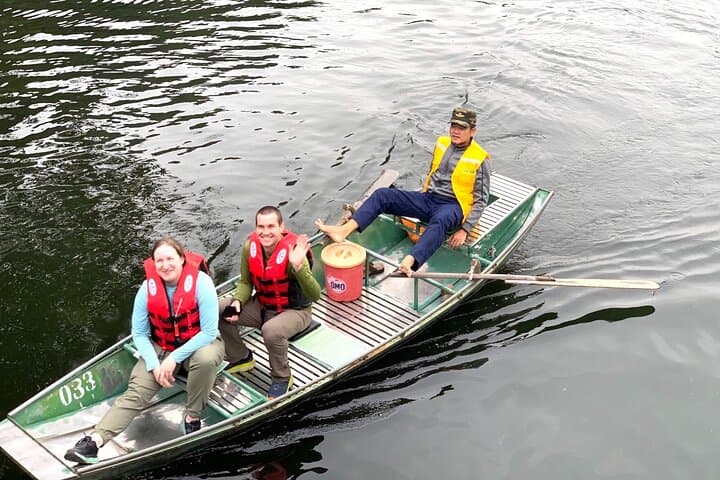
Yes—the sampan is a low-speed, seated boat guided by a local rower; supervise young children and bring lifejackets if required.
Guides typically speak English; confirm multi-language needs when booking for special arrangements.
Hoa Lu served as Vietnam’s capital in the 10th–11th centuries; its temples commemorate early dynasties and regional power shifts.
Tourism pressures on karst and wetland habitats make waste management and staying on designated paths important—carry out plastics and follow guide instructions.
Local Tours PU LUONG operates guided outdoor trips and adventures with an emphasis on safety, stewardship, and memorable experiences.

Morning mist clings to limestone karsts as a minibus eases out of Hanoi, the city’s clamor shrinking to a distant hum. Within two hours the road opens onto rice paddies, narrow lanes, and the jagged silhouettes of Tam Coc; bicycles and wooden sampans set the day's tempo.
Morning mist clings to limestone karsts as a minibus eases out of Hanoi, the city’s clamor shrinking to a distant hum. Within two hours the road opens onto rice paddies, narrow lanes, and the jagged silhouettes of Tam Coc; bicycles and wooden sampans set the day's tempo.
Ninh Binh sits on an exposed karst plain where rivers have cut tunnels through Permian limestone, producing steep cliffs, cave mouths, and scattered pagodas. Hoa Lu—the 10th-century capital—offers a compact window into early Vietnamese statecraft, while village life still orbits VAC (garden-pond-cage) farming and local markets that supply the region.
This two-day small-group loop mixes active and slow travel: a climb of roughly 500 stone steps at Hang Mua to panoramic overlooks, an hour-plus sampan ride along the Ngo Dong through cave passages, and easy countryside cycling (typically 10–20 km total) between pagodas, bird gardens, and homestays. Evenings are spent in a bungalow or 3–4 star inn; meals highlight river fish, seasonal vegetables, and regional rice.
Practical guidance: start early to avoid midday heat and packed boats; wear grippy shoes for uneven stone steps; carry a refillable water bottle and insect repellent for dusk at Thung Nham. Summer brings sudden tropical downpours—pack a light rain layer—and winter mornings can be cool and misty. The tour’s nine-person maximum keeps the pace personal; expect knowledgeable guides, straightforward logistics, and a steady rhythm of walking, pedaling, and drifting on the river.