THE ADVENTURE COLLECTIVE® · Independent discovery and booking for outdoor travel

Spend two days exploring Ninh Binh’s karst riverways, cycling to pagodas and overnighting in a local homestay. This guided itinerary pairs calm sampan rides through Tam Coc and Trang An with cultural visits to Hoa Lu and the vast Bai Dinh complex.
Spend two days exploring Ninh Binh’s karst riverways, cycling to pagodas and overnighting in a local homestay. This guided itinerary pairs calm sampan rides through Tam Coc and Trang An with cultural visits to Hoa Lu and the vast Bai Dinh complex.
You step off the air-conditioned minibus into a green hush: limestone towers rise like ancient ribs, rivers thread between rice paddies, and sampan boats wait with low, patient bows. On day one the river narrows and caves pull you forward; on day two a vast Buddhist complex opens up like a carved valley of bronze and stone.
Verified experiences and guided adventures in the surrounding area.
Operated by Aloha Vietnam Travel & Guide · Tam Coc, Ninh Binh Province
You step off the air-conditioned minibus into a green hush: limestone towers rise like ancient ribs, rivers thread between rice paddies, and sampan boats wait with low, patient bows. On day one the river narrows and caves pull you forward; on day two a vast Buddhist complex opens up like a carved valley of bronze and stone.
This region was Vietnam’s first capital at Hoa Lu in the 10th–11th centuries, its karst landscape shaped over millions of years as rivers ate through limestone to create tunnels and caves. The area’s rural culture still orients around seasonal rice cycles, pagoda festivals and small homestays where dinner is communal and stories are exchanged across low tables.
Expect slow-paced boat rides through low-ceiling caves at Tam Coc and Trang An, a short cycle on quiet roads to Bich Dong Pagoda, and a morning at Bai Dinh — Southeast Asia’s largest pagoda complex — where wide stone steps and gilded statues dominate the hill.
Practical notes: bring sturdy shoes for slippery temple paths, a hat and sun protection for open fields, and a light rain shell for sudden tropical showers. The trip covers long coach transfers from Hanoi, easy-paced walking, and short stretches of cycling; fitness requirements are modest but bring mobility for uneven terrain and narrow cave boats.
Timing matters: early morning light best for photography on the river; late afternoon brings softer air and quieter temples. Traveling here is sensory — water that nudges the boat, limestone cliffs that loom and shade, and nights spent in a homestay hearing frogs and distant village life.
moderate.
2 days (approx. 36 hours).
Suitable for travelers in moderate fitness: able to walk on uneven ground, board small boats, and cycle brief village distances.
Pick-up is arranged from Hanoi’s Old Quarter hotels; exact time varies but is typically 7:30–8:00 a.m.—confirm your pickup point when booking.
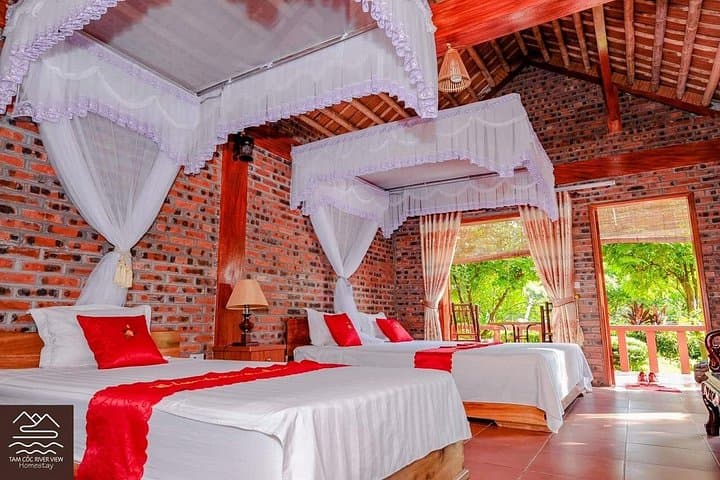
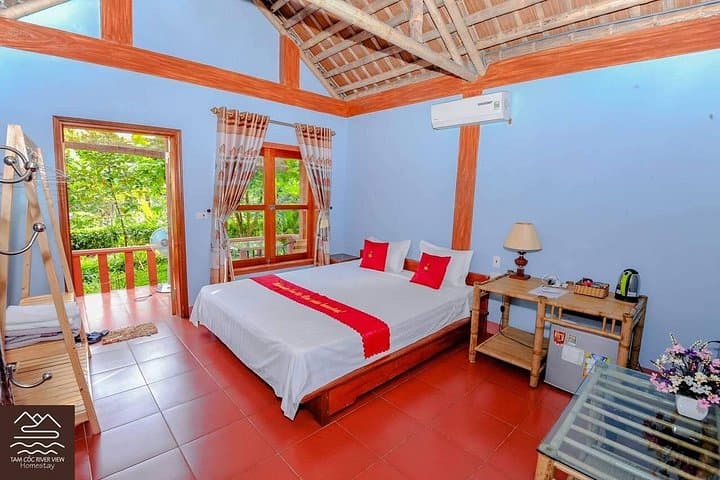
The itinerary includes one night in a comfortable homestay in Tam Coc with AC and homestyle meals as listed in inclusions.
Yes—sampan boat trips in Tam Coc and Trang An and visits listed in the itinerary are included, along with meals and transfers.
The tour is marketed as suitable for all fitness levels, but cave boats and temple steps can be narrow and require stepping up and down—assistants may help, and infants must sit on laps.
Hoa Lu served as Vietnam’s capital in the 10th–11th centuries; many temples honor the Dinh and Le dynasties that consolidated early Vietnamese rule.
Tourism here is concentrated in fragile karst and wetland ecosystems—stick to boat routes and marked paths, avoid single-use plastics, and support homestays that follow local waste practices.
Aloha Vietnam Travel & Guide operates guided outdoor trips and adventures with an emphasis on safety, stewardship, and memorable experiences.
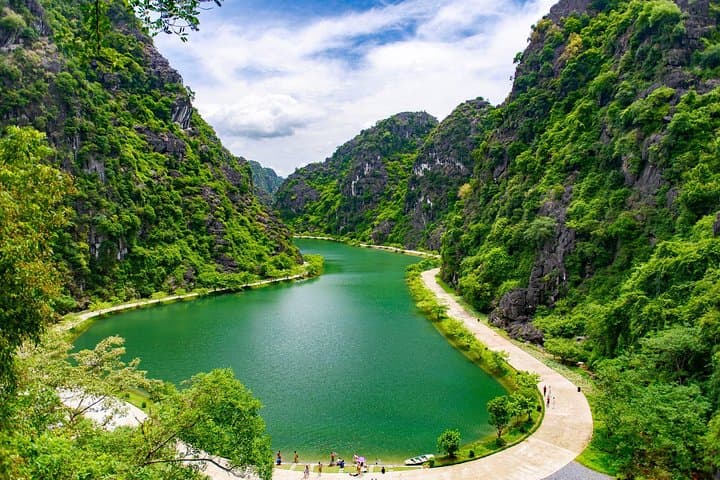
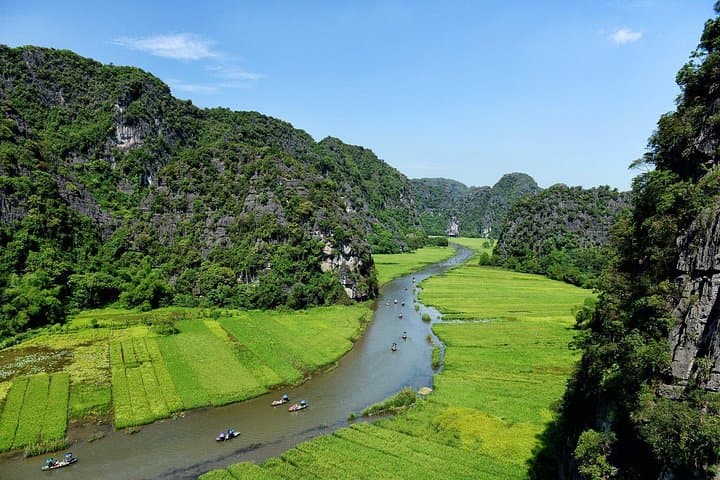
You step off the air-conditioned minibus into a green hush: limestone towers rise like ancient ribs, rivers thread between rice paddies, and sampan boats wait with low, patient bows. On day one the river narrows and caves pull you forward; on day two a vast Buddhist complex opens up like a carved valley of bronze and stone.
You step off the air-conditioned minibus into a green hush: limestone towers rise like ancient ribs, rivers thread between rice paddies, and sampan boats wait with low, patient bows. On day one the river narrows and caves pull you forward; on day two a vast Buddhist complex opens up like a carved valley of bronze and stone.
This region was Vietnam’s first capital at Hoa Lu in the 10th–11th centuries, its karst landscape shaped over millions of years as rivers ate through limestone to create tunnels and caves. The area’s rural culture still orients around seasonal rice cycles, pagoda festivals and small homestays where dinner is communal and stories are exchanged across low tables.
Expect slow-paced boat rides through low-ceiling caves at Tam Coc and Trang An, a short cycle on quiet roads to Bich Dong Pagoda, and a morning at Bai Dinh — Southeast Asia’s largest pagoda complex — where wide stone steps and gilded statues dominate the hill.
Practical notes: bring sturdy shoes for slippery temple paths, a hat and sun protection for open fields, and a light rain shell for sudden tropical showers. The trip covers long coach transfers from Hanoi, easy-paced walking, and short stretches of cycling; fitness requirements are modest but bring mobility for uneven terrain and narrow cave boats.
Timing matters: early morning light best for photography on the river; late afternoon brings softer air and quieter temples. Traveling here is sensory — water that nudges the boat, limestone cliffs that loom and shade, and nights spent in a homestay hearing frogs and distant village life.