THE ADVENTURE COLLECTIVE® · Independent discovery and booking for outdoor travel

Two days in Ninh Binh compress rich history, limestone scenery and cultural flavors into a compact loop: boat caves at Tam Coc, a steep but rewarding climb at Mua Cave, and the expansive Bai Dinh Pagoda. Read on for what to expect, what to pack, and local insights to make the most of this popular northern Vietnam excursion.
Two days in Ninh Binh compress rich history, limestone scenery and cultural flavors into a compact loop: boat caves at Tam Coc, a steep but rewarding climb at Mua Cave, and the expansive Bai Dinh Pagoda. Read on for what to expect, what to pack, and local insights to make the most of this popular northern Vietnam excursion.
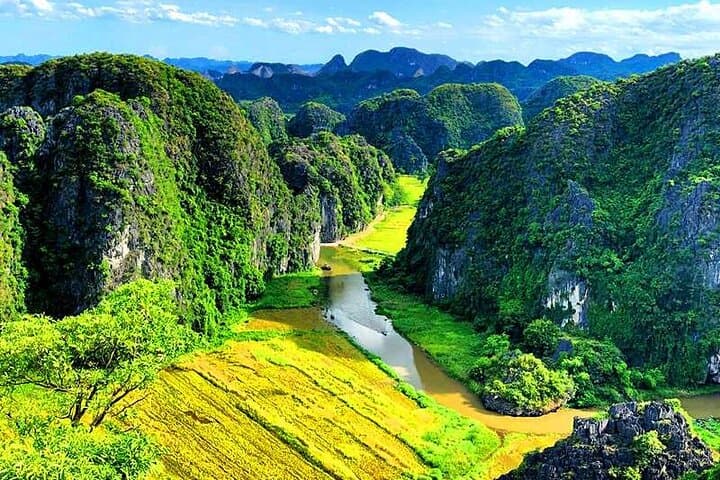
You arrive before sunrise on a two-hour road that threads rice paddies and low limestone towers; morning mist clings to the Ngo Dong River and the rowboats sit like patience waiting to be tested. Pushing off at Tam Coc, the boat slips into cave mouths and through cool, dark chambers—water daring you to stare deeper as karst cliffs rise like watchful figures.
Verified experiences and guided adventures in the surrounding area.
Operated by Local Tours ASIA · Ninh Binh, Ninh Binh Province
You arrive before sunrise on a two-hour road that threads rice paddies and low limestone towers; morning mist clings to the Ngo Dong River and the rowboats sit like patience waiting to be tested. Pushing off at Tam Coc, the boat slips into cave mouths and through cool, dark chambers—water daring you to stare deeper as karst cliffs rise like watchful figures.
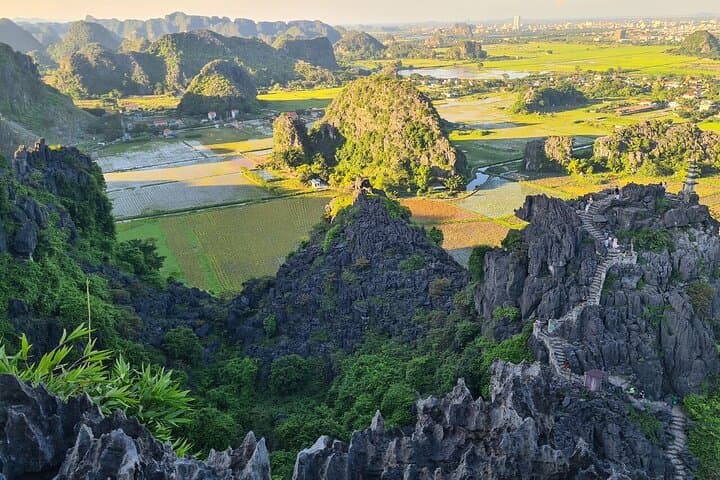
This two-day loop covers Hoa Lu, the 10th-century capital with its modest temples; the vertical climb of Mua Cave, where 500 carved stone steps deliver a wide, agrarian panorama; and the modern, monumental scale of Bai Dinh Pagoda, home to thousands of La Han statues and Vietnam’s largest bronze Buddha. Geologically the region is classic tropical karst—limestone sculpted by rivers and time into cliffs, caves and tunnels that shape local livelihoods and microclimates. Culture here is pragmatic and devout: goat and pork specialties at lunch, homestays that trade comfort for authentic village rhythms.
Practical guidance: expect light walking and one steep ascent (about 500 steps) at Mua Cave, a flat boat ride of several kilometers through three main caves at Tam Coc/Trang An, and short local cycling loops (≈45 minutes). Carry cash for small vendors, bring layered clothing for morning fog and midday sun, and plan transport: the tour starts from Hanoi (≈120 km one way) and returns the evening of day two. Hydrate, wear sturdy shoes, and leave no trace—Ninh Binh’s karst is fragile and best experienced respectfully.
moderate.
2 days.
Suitable for travelers with basic fitness: comfortable walking, a short uphill climb (~500 steps) and light cycling.
The bus transfer is about 2–2.5 hours each way (≈120 km) depending on traffic; tours typically depart early morning from Hanoi.
Yes—most components are gentle: boat rides and short walks are family-friendly, but the Mua Cave stairs may be strenuous for some; plan accordingly.
This tour includes two lunches, one dinner, breakfast, and one night at a bungalow or homestay as listed in the itinerary.
Standard tours provide an English-speaking guide and an English-capable local driver for transfers, though fluency levels vary.
Hoa Lu was the 10th-century capital of Dai Co Viet; its small temples mark early Vietnamese dynastic origins near the karst foothills.
Ninh Binh’s karst and river systems are sensitive to erosion and litter; stick to designated paths, avoid single-use plastics, and support local guides who follow sustainable practices.
Local Tours ASIA operates guided outdoor trips and adventures with an emphasis on safety, stewardship, and memorable experiences.


You arrive before sunrise on a two-hour road that threads rice paddies and low limestone towers; morning mist clings to the Ngo Dong River and the rowboats sit like patience waiting to be tested. Pushing off at Tam Coc, the boat slips into cave mouths and through cool, dark chambers—water daring you to stare deeper as karst cliffs rise like watchful figures.
You arrive before sunrise on a two-hour road that threads rice paddies and low limestone towers; morning mist clings to the Ngo Dong River and the rowboats sit like patience waiting to be tested. Pushing off at Tam Coc, the boat slips into cave mouths and through cool, dark chambers—water daring you to stare deeper as karst cliffs rise like watchful figures.
This two-day loop covers Hoa Lu, the 10th-century capital with its modest temples; the vertical climb of Mua Cave, where 500 carved stone steps deliver a wide, agrarian panorama; and the modern, monumental scale of Bai Dinh Pagoda, home to thousands of La Han statues and Vietnam’s largest bronze Buddha. Geologically the region is classic tropical karst—limestone sculpted by rivers and time into cliffs, caves and tunnels that shape local livelihoods and microclimates. Culture here is pragmatic and devout: goat and pork specialties at lunch, homestays that trade comfort for authentic village rhythms.
Practical guidance: expect light walking and one steep ascent (about 500 steps) at Mua Cave, a flat boat ride of several kilometers through three main caves at Tam Coc/Trang An, and short local cycling loops (≈45 minutes). Carry cash for small vendors, bring layered clothing for morning fog and midday sun, and plan transport: the tour starts from Hanoi (≈120 km one way) and returns the evening of day two. Hydrate, wear sturdy shoes, and leave no trace—Ninh Binh’s karst is fragile and best experienced respectfully.