THE ADVENTURE COLLECTIVE® · Independent discovery and booking for outdoor travel

A hands-on 2-day loop through Ninh Binh that pairs a steep viewpoint climb, rice-field cycling, and a tranquil sampan on Tam Coc. Perfect for travelers who want active exploration with local culture and wildlife viewing.
A hands-on 2-day loop through Ninh Binh that pairs a steep viewpoint climb, rice-field cycling, and a tranquil sampan on Tam Coc. Perfect for travelers who want active exploration with local culture and wildlife viewing.
You step off a quiet limousine into a low plain ringed by limestone towers — morning mist clings to rice paddies while local farmers guide water buffalo through ankle-deep channels. The climb up Mua Cave’s roughly 500 stone steps pushes you into clean air and a panoramic shelf of karst peaks; below, boatmen thread narrow rivers through caves as if the landscape itself dared you to look closer.
Verified experiences and guided adventures in the surrounding area.
Operated by Amazing Ninh Binh · Ninh Binh, Ninh Binh Province
You step off a quiet limousine into a low plain ringed by limestone towers — morning mist clings to rice paddies while local farmers guide water buffalo through ankle-deep channels. The climb up Mua Cave’s roughly 500 stone steps pushes you into clean air and a panoramic shelf of karst peaks; below, boatmen thread narrow rivers through caves as if the landscape itself dared you to look closer.
This region was the heart of Vietnam’s first royal capital at Hoa Lu around the 10th–11th centuries; its temples sit at the foot of stromatolite karst formed over millennia. The karst towers are limestone, pitted and hollowed by rivers that carved valleys and caves; culturally, the area blends village life, Buddhist pagodas such as Bich Dong, and market rhythms that have changed little in decades.
Practically, expect active but accessible days: the Mua Cave climb is steep (≈500 steps, ~120–150 m elevation gain), short village bike loops of 5–12 km on flat, sometimes rutted lanes, and a 60–90 minute sampan on Tam Coc’s calm river. Wear grippy shoes for stairs and cave steps; boats are guided by locals with foot-rowing traditions, so bring a light dry bag for cameras. Timing matters — early morning or late afternoon softens the light and the heat.
Overnight stays are in comfortable local accommodation; meals include regional specialties like goat roast. Respect nesting birds at Thung Nham, carry reusable water, and let the guide handle logistics so you can read the landscape and move at the pace of the valley.
moderate.
2 days (approx. 48 hours).
Suitable for travelers in average shape who can handle short steep climbs, several hours of walking, and light cycling.
Yes—this itinerary includes biking segments and a sampan boat ride on Tam Coc; local operators provide bikes and boat service as part of the tour.
The tour is family-friendly but the Mua Cave climb is steep; consider physical limits and assist children or seniors on stairs and uneven paths.
You must carry travel documents required for Vietnam; visa needs depend on nationality—check Vietnamese authorities before travel and bring your passport for hotel check-in.
Yes—vegetarian options are available if you notify the operator in advance when booking or at pickup.
Hoa Lu served as Vietnam’s capital in the 10th–11th centuries; its temples honor the Dinh and Le dynasties amid the karst plain.
Thung Nham functions as a bird reserve—follow guide instructions, avoid disturbing roosts, and minimize single-use plastics to reduce impact.
Amazing Ninh Binh operates guided outdoor trips and adventures with an emphasis on safety, stewardship, and memorable experiences.
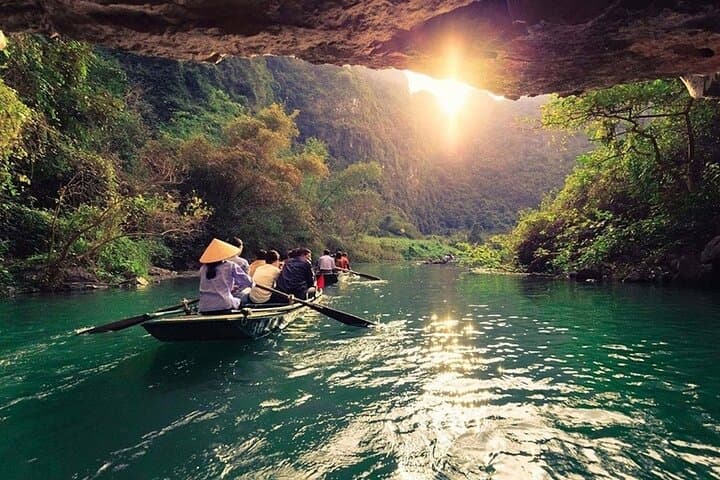



You step off a quiet limousine into a low plain ringed by limestone towers — morning mist clings to rice paddies while local farmers guide water buffalo through ankle-deep channels. The climb up Mua Cave’s roughly 500 stone steps pushes you into clean air and a panoramic shelf of karst peaks; below, boatmen thread narrow rivers through caves as if the landscape itself dared you to look closer.
You step off a quiet limousine into a low plain ringed by limestone towers — morning mist clings to rice paddies while local farmers guide water buffalo through ankle-deep channels. The climb up Mua Cave’s roughly 500 stone steps pushes you into clean air and a panoramic shelf of karst peaks; below, boatmen thread narrow rivers through caves as if the landscape itself dared you to look closer.
This region was the heart of Vietnam’s first royal capital at Hoa Lu around the 10th–11th centuries; its temples sit at the foot of stromatolite karst formed over millennia. The karst towers are limestone, pitted and hollowed by rivers that carved valleys and caves; culturally, the area blends village life, Buddhist pagodas such as Bich Dong, and market rhythms that have changed little in decades.
Practically, expect active but accessible days: the Mua Cave climb is steep (≈500 steps, ~120–150 m elevation gain), short village bike loops of 5–12 km on flat, sometimes rutted lanes, and a 60–90 minute sampan on Tam Coc’s calm river. Wear grippy shoes for stairs and cave steps; boats are guided by locals with foot-rowing traditions, so bring a light dry bag for cameras. Timing matters — early morning or late afternoon softens the light and the heat.
Overnight stays are in comfortable local accommodation; meals include regional specialties like goat roast. Respect nesting birds at Thung Nham, carry reusable water, and let the guide handle logistics so you can read the landscape and move at the pace of the valley.