THE ADVENTURE COLLECTIVE® · Independent discovery and booking for outdoor travel

Trace pharaohs’ footprints along the Nile on a focused four‑day circuit from Aswan to Luxor. Visit Philae, Kom Ombo, Edfu, Karnak and the Valley of the Kings with private transfers and expert guiding.
Trace pharaohs’ footprints along the Nile on a focused four‑day circuit from Aswan to Luxor. Visit Philae, Kom Ombo, Edfu, Karnak and the Valley of the Kings with private transfers and expert guiding.
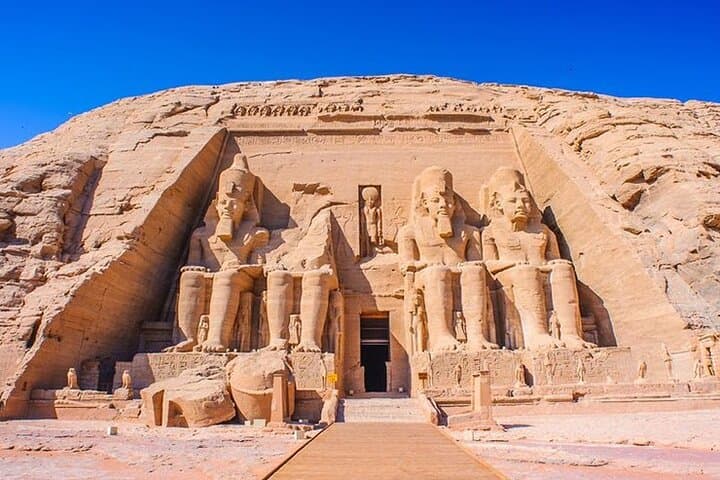
The Nile pushes you along as the boat slides up to the slip where Philae’s pylons rise out of the water, their reliefs dry-brushed by centuries of sun. On this compact four‑day route, stone and river set the pace: Aswan’s modern high dam and granite quarries give way to the sculpted sandstone of Luxor’s temple avenues and the sun-baked cliffs that hide royal tombs.
Verified experiences and guided adventures in the surrounding area.
Operated by Explore Egypt tours · Aswan, Aswan Governorate
The Nile pushes you along as the boat slides up to the slip where Philae’s pylons rise out of the water, their reliefs dry-brushed by centuries of sun. On this compact four‑day route, stone and river set the pace: Aswan’s modern high dam and granite quarries give way to the sculpted sandstone of Luxor’s temple avenues and the sun-baked cliffs that hide royal tombs.
The trip threads classical Egyptian history with living Nubian culture. Philae preserves late Ptolemaic carvings to Isis; Kom Ombo is split between Sobek’s crocodile cult and Horus’s falcon legacy; Edfu’s temple remains one of the best-preserved cult buildings. Geologically, the Nile valley narrows here where basalt and granite meet soft sedimentary stone—an interplay that shaped ancient quarrying and temple siting. Locals still trade, fish, and ferry, keeping river life visceral and immediate.
Practical guidance: plan early starts to avoid midday heat and to catch softer light in tombs; wear sturdy walking shoes for cut-stone ramps and sandy temple approaches. Bring a broad-brim hat, SPF, and a refillable water bottle—hydration is constant work here. Photography rules and ticketing vary by site; confirm whether specific tombs are included and bring cash for tips and small purchases. Expect several short drives between sites and guided walks of 1–2 hours at major temples. Mobility is generally manageable but includes steps and uneven surfaces. With an Egyptologist guide and private transfers, the route balances close-up archaeology with the steady, elemental presence of the Nile—a concise cultural corridor for travelers seeking temple grandeur without a prolonged itinerary.
easy.
4 days.
Suitable for travelers with basic mobility and comfortable walking 1–3 miles per day over uneven surfaces.
Many major entrance fees are offered as options; confirm at booking which specific sites (e.g., selected tombs) are included in your package.
Private air-conditioned transfers cover travel between Aswan and Luxor as noted in the itinerary; travel time by road is roughly 3–4 hours depending on stops.
The operator lists wheelchair-accessible transportation and surfaces, but some temple areas and tombs have steps and uneven surfaces—check accessibility for specific sites beforehand.
Autumn through spring (October–April) offers the most comfortable temperatures; summer is feasible with early starts but expect high heat.
This corridor was a political and religious spine of ancient Egypt: the Theban precincts at Karnak and Luxor anchored cult life while Aswan supplied stone and strategic control of southern frontiers.
Sites face erosion from tourism and rising Nile management; travel with guided groups that follow site rules, avoid touching reliefs, and use refillable bottles to reduce waste.
Explore Egypt tours operates guided outdoor trips and adventures with an emphasis on safety, stewardship, and memorable experiences.
The Nile pushes you along as the boat slides up to the slip where Philae’s pylons rise out of the water, their reliefs dry-brushed by centuries of sun. On this compact four‑day route, stone and river set the pace: Aswan’s modern high dam and granite quarries give way to the sculpted sandstone of Luxor’s temple avenues and the sun-baked cliffs that hide royal tombs.
The Nile pushes you along as the boat slides up to the slip where Philae’s pylons rise out of the water, their reliefs dry-brushed by centuries of sun. On this compact four‑day route, stone and river set the pace: Aswan’s modern high dam and granite quarries give way to the sculpted sandstone of Luxor’s temple avenues and the sun-baked cliffs that hide royal tombs.
The trip threads classical Egyptian history with living Nubian culture. Philae preserves late Ptolemaic carvings to Isis; Kom Ombo is split between Sobek’s crocodile cult and Horus’s falcon legacy; Edfu’s temple remains one of the best-preserved cult buildings. Geologically, the Nile valley narrows here where basalt and granite meet soft sedimentary stone—an interplay that shaped ancient quarrying and temple siting. Locals still trade, fish, and ferry, keeping river life visceral and immediate.
Practical guidance: plan early starts to avoid midday heat and to catch softer light in tombs; wear sturdy walking shoes for cut-stone ramps and sandy temple approaches. Bring a broad-brim hat, SPF, and a refillable water bottle—hydration is constant work here. Photography rules and ticketing vary by site; confirm whether specific tombs are included and bring cash for tips and small purchases. Expect several short drives between sites and guided walks of 1–2 hours at major temples. Mobility is generally manageable but includes steps and uneven surfaces. With an Egyptologist guide and private transfers, the route balances close-up archaeology with the steady, elemental presence of the Nile—a concise cultural corridor for travelers seeking temple grandeur without a prolonged itinerary.