THE ADVENTURE COLLECTIVE® · Independent discovery and booking for outdoor travel

Float over temple fields at sunrise and let a short Nile cruise ferry you through 4,000 years of pharaonic history. This 2-night Aswan–Luxor itinerary pairs classic temples with a hot-air balloon sunrise for a concentrated Upper Egypt experience.
Float over temple fields at sunrise and let a short Nile cruise ferry you through 4,000 years of pharaonic history. This 2-night Aswan–Luxor itinerary pairs classic temples with a hot-air balloon sunrise for a concentrated Upper Egypt experience.
Morning light slides across the Nile and the river seems to move with intent, carrying a low-slung cruise from Aswan toward Luxor while a line of palm trees tracks the shore. On deck, the air tastes of dust and cardamom from nearby villages; by dawn the landscape softens, and a balloon lifts passengers above temples and fields, the valley shrinking into ordered blocks of green.
Verified experiences and guided adventures in the surrounding area.
Operated by Egypt Travel Line · Luxor, Luxor Governorate
Morning light slides across the Nile and the river seems to move with intent, carrying a low-slung cruise from Aswan toward Luxor while a line of palm trees tracks the shore. On deck, the air tastes of dust and cardamom from nearby villages; by dawn the landscape softens, and a balloon lifts passengers above temples and fields, the valley shrinking into ordered blocks of green.
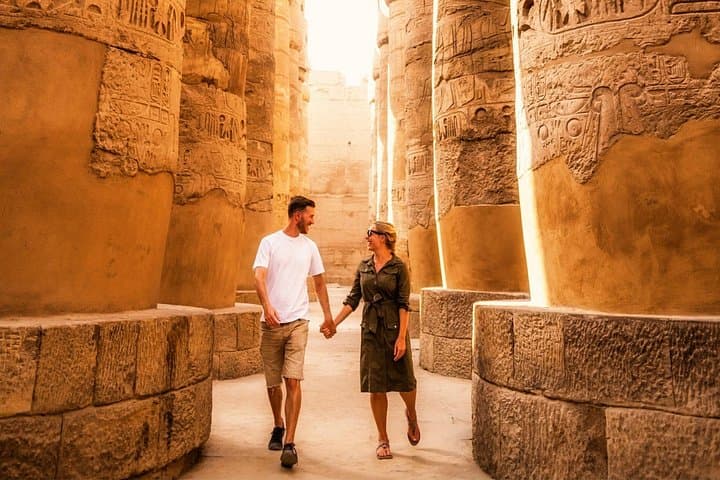
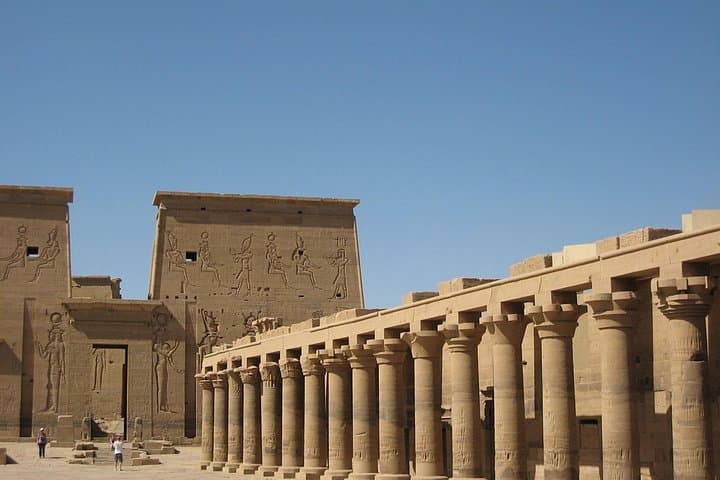
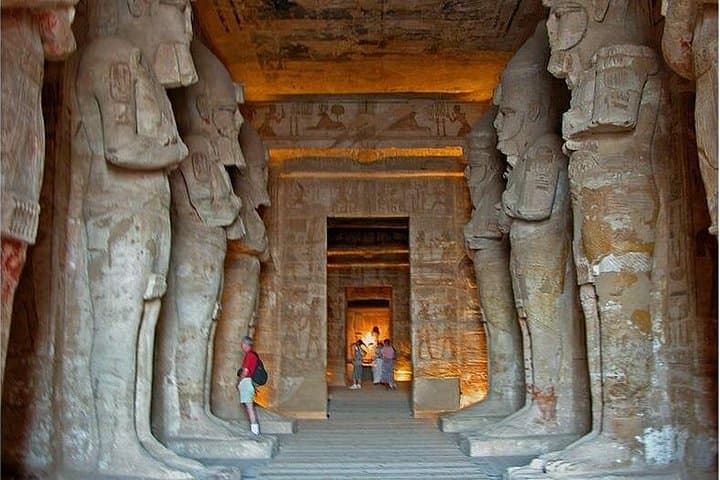
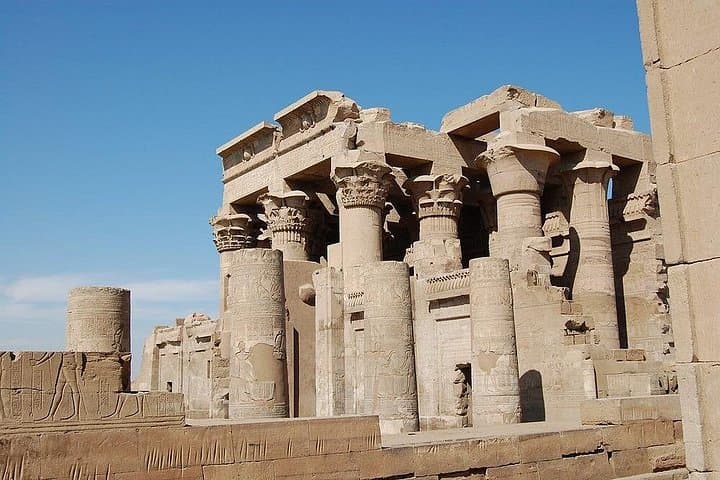
This short, three-day itinerary stitches together Pharaonic landmarks and river travel: Kom Ombo’s twin shrines, Edfu’s intact hypostyle halls, the tomb-lined cliffs of the Valley of the Kings, Hatshepsut’s terraced mortuary temple and the vast pylons of Karnak and Luxor Temples. Geologically the Nile corridor here crosses alluvial floodplain cut against older Nubian sandstone; human activity over millennia has shaped the riverbanks and the villages you pass. Culturally, the cruise is a living link between modern river life—fishing skiffs, feluccas—and ancient statecraft expressed in stone.
Practical notes: travel includes flights Cairo–Aswan and back from Luxor, full-board on a Nile cruise cabin, guided temple visits and an early-morning hot-air balloon. Expect strong sun, dusty surfaces and steep steps at archaeological sites; wear closed shoes for tombs and bring layers for pre-dawn balloon launches. Hydrate often and carry local currency for entrance surcharges and tips. Photography rules vary—follow your Egyptologist guide, especially inside tombs. Timing a winter or spring visit reduces heat stress; summer is intense and requires extra precautions. For a compact immersion in Upper Egypt’s riverine archaeology, this cruise-plus-balloon package delivers high-visibility sights with manageable logistics for travelers comfortable with brisk days and early mornings.
moderate.
2–3 days.
Able to manage short hikes, stairs and standing tours for several hours; basic mobility required.
Yes — the itinerary includes round-trip flights from Cairo to Aswan and the return flight from Luxor to Cairo.
Operators require basic mobility and may restrict very young children or those with certain medical conditions; check with the provider and disclose health issues when booking.
Access varies by tomb and preservation rules; entrance to some tombs may require additional fees and photography is often restricted—follow your Egyptologist guide.
Yes — the cruise cabins are listed as having full facilities, which typically include air conditioning and private baths.
This corridor of the Nile links Upper Egypt’s major New Kingdom sites; many temples were expanded across dynasties and align with the river’s seasonal rhythms.
Visitor pressure can stress fragile tomb paintings and river ecosystems—use local guides, avoid flash photography where prohibited and minimize single-use plastics.
Egypt Travel Line operates guided outdoor trips and adventures with an emphasis on safety, stewardship, and memorable experiences.
Morning light slides across the Nile and the river seems to move with intent, carrying a low-slung cruise from Aswan toward Luxor while a line of palm trees tracks the shore. On deck, the air tastes of dust and cardamom from nearby villages; by dawn the landscape softens, and a balloon lifts passengers above temples and fields, the valley shrinking into ordered blocks of green.
Morning light slides across the Nile and the river seems to move with intent, carrying a low-slung cruise from Aswan toward Luxor while a line of palm trees tracks the shore. On deck, the air tastes of dust and cardamom from nearby villages; by dawn the landscape softens, and a balloon lifts passengers above temples and fields, the valley shrinking into ordered blocks of green.
This short, three-day itinerary stitches together Pharaonic landmarks and river travel: Kom Ombo’s twin shrines, Edfu’s intact hypostyle halls, the tomb-lined cliffs of the Valley of the Kings, Hatshepsut’s terraced mortuary temple and the vast pylons of Karnak and Luxor Temples. Geologically the Nile corridor here crosses alluvial floodplain cut against older Nubian sandstone; human activity over millennia has shaped the riverbanks and the villages you pass. Culturally, the cruise is a living link between modern river life—fishing skiffs, feluccas—and ancient statecraft expressed in stone.
Practical notes: travel includes flights Cairo–Aswan and back from Luxor, full-board on a Nile cruise cabin, guided temple visits and an early-morning hot-air balloon. Expect strong sun, dusty surfaces and steep steps at archaeological sites; wear closed shoes for tombs and bring layers for pre-dawn balloon launches. Hydrate often and carry local currency for entrance surcharges and tips. Photography rules vary—follow your Egyptologist guide, especially inside tombs. Timing a winter or spring visit reduces heat stress; summer is intense and requires extra precautions. For a compact immersion in Upper Egypt’s riverine archaeology, this cruise-plus-balloon package delivers high-visibility sights with manageable logistics for travelers comfortable with brisk days and early mornings.