THE ADVENTURE COLLECTIVE® · Independent discovery and booking for outdoor travel

Glide down the Nile from Luxor to Aswan on a 5-day cruise that pairs temple excursions with relaxed river time. See Karnak, the Valley of the Kings and Abu Simbel while an Egyptologist frames history on every shore stop.
Glide down the Nile from Luxor to Aswan on a 5-day cruise that pairs temple excursions with relaxed river time. See Karnak, the Valley of the Kings and Abu Simbel while an Egyptologist frames history on every shore stop.
The boat slips away from Luxor at dawn and the Nile takes the lead, pushing a long, lazy current past palm-fringed banks and mud-brick villages. From the shaded deck you watch feluccas tack against the breeze while minarets and temple pylons appear like punctuation marks on the horizon.
Verified experiences and guided adventures in the surrounding area.
Operated by DrMo Tours Egypt · Luxor, Luxor Governorate
The boat slips away from Luxor at dawn and the Nile takes the lead, pushing a long, lazy current past palm-fringed banks and mud-brick villages. From the shaded deck you watch feluccas tack against the breeze while minarets and temple pylons appear like punctuation marks on the horizon.
This five-day Luxor-to-Aswan itinerary threads Egypt’s living history: the colossal pylons of Karnak, the funerary galleries of the Valley of the Kings, Hatshepsut’s terraced temple at Deir el-Bahari, the Greco-Roman grace of Kom Ombo and the monumental façade of Abu Simbel. Geologically, the river carves a narrow fertile ribbon through Nubian sandstone and alluvial silt that has sustained civilization here for millennia. Culturally, local markets, Nubian communities near Aswan and the ritual of tea on the sun deck reveal daily life beside these ancient stones.
Expect guided walks off the boat at scheduled stops, brief motorboat transfers to river islands like Philae, and time on deck between shore excursions to watch light erase and redraw the banks. Practicalities: entrance fees and early transfers (Abu Simbel often departs predawn) are typical; bring cash for smaller markets and modest tipping. Weather is desert-dry — strong sun by midday, cool evenings on deck.
Pack sun protection, comfortable shoes for uneven temple steps, and a lightweight layer for early mornings. Hydrate often; the Nile will tempt you to linger, but organized schedules keep the itinerary moving. For travelers who want history without logistics, this cruise balances curated commentary from an Egyptologist with the slow, revealing pace of river travel.
easy.
5 days.
Suitable for most fitness levels; requires standing and walking on uneven surfaces during shore excursions
Most national site entrance fees are not included and must be paid locally; your operator can advise current prices and sometimes handle purchases on your behalf.
Many river boats offer wheelchair-accessible areas and transfers, but some temple sites have steps and uneven ground—check specific accessibility details with the operator before booking.
The scheduled cruise is five days and four nights with multiple guided stops; exact sailing hours vary by operator and navigation conditions.
Yes—Abu Simbel is commonly scheduled as an early-morning excursion from Aswan; expect a long morning transfer but a focused time at the temples.
The Nile corridor between Luxor and Aswan held continuous settlement since Pharaonic times; many temples were strategically sited on the river for transport and ritual processions.
Rising tourism puts pressure on fragile sites—minimize impact by sticking to marked paths, avoiding flash photography in sensitive chambers and using reusable bottles to cut plastic waste.
DrMo Tours Egypt operates guided outdoor trips and adventures with an emphasis on safety, stewardship, and memorable experiences.
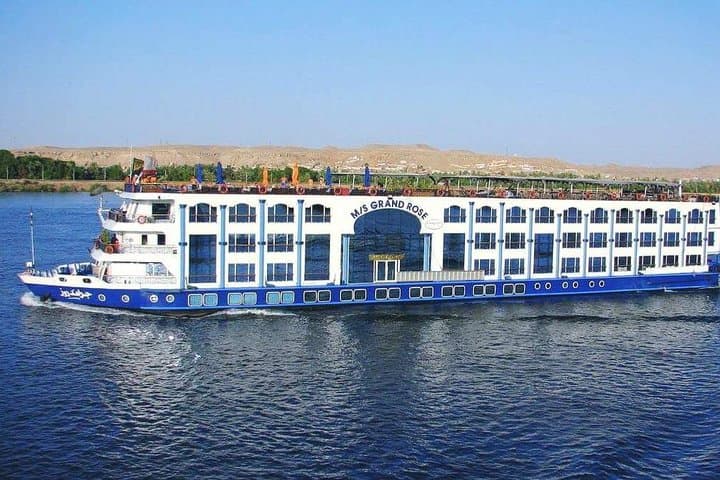
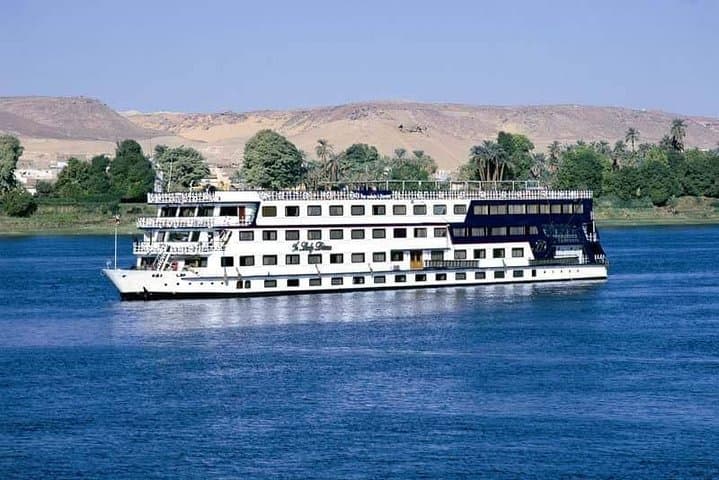

The boat slips away from Luxor at dawn and the Nile takes the lead, pushing a long, lazy current past palm-fringed banks and mud-brick villages. From the shaded deck you watch feluccas tack against the breeze while minarets and temple pylons appear like punctuation marks on the horizon.
The boat slips away from Luxor at dawn and the Nile takes the lead, pushing a long, lazy current past palm-fringed banks and mud-brick villages. From the shaded deck you watch feluccas tack against the breeze while minarets and temple pylons appear like punctuation marks on the horizon.
This five-day Luxor-to-Aswan itinerary threads Egypt’s living history: the colossal pylons of Karnak, the funerary galleries of the Valley of the Kings, Hatshepsut’s terraced temple at Deir el-Bahari, the Greco-Roman grace of Kom Ombo and the monumental façade of Abu Simbel. Geologically, the river carves a narrow fertile ribbon through Nubian sandstone and alluvial silt that has sustained civilization here for millennia. Culturally, local markets, Nubian communities near Aswan and the ritual of tea on the sun deck reveal daily life beside these ancient stones.
Expect guided walks off the boat at scheduled stops, brief motorboat transfers to river islands like Philae, and time on deck between shore excursions to watch light erase and redraw the banks. Practicalities: entrance fees and early transfers (Abu Simbel often departs predawn) are typical; bring cash for smaller markets and modest tipping. Weather is desert-dry — strong sun by midday, cool evenings on deck.
Pack sun protection, comfortable shoes for uneven temple steps, and a lightweight layer for early mornings. Hydrate often; the Nile will tempt you to linger, but organized schedules keep the itinerary moving. For travelers who want history without logistics, this cruise balances curated commentary from an Egyptologist with the slow, revealing pace of river travel.