THE ADVENTURE COLLECTIVE® · Independent discovery and booking for outdoor travel

Float between Luxor and Aswan on a five-day Nile cruise that pairs early-morning hot air ballooning with guided visits to the Valley of the Kings, Karnak, Kom Ombo and Abu Simbel. Expect full-board comfort aboard a five-star cruiser and early starts to beat heat and crowds.
Float between Luxor and Aswan on a five-day Nile cruise that pairs early-morning hot air ballooning with guided visits to the Valley of the Kings, Karnak, Kom Ombo and Abu Simbel. Expect full-board comfort aboard a five-star cruiser and early starts to beat heat and crowds.
Dawn lifts off the Nile in a wash of ochre and blue as the cruise boat eases from Luxor's quay. Deck chairs warm beneath a low sun while palms and sugarcane fields slip past, and the river — patient and persuasive — pushes the boat toward temples carved in living stone.
Verified experiences and guided adventures in the surrounding area.
Operated by Book Your Tours · Luxor, Luxor Governorate
Dawn lifts off the Nile in a wash of ochre and blue as the cruise boat eases from Luxor's quay. Deck chairs warm beneath a low sun while palms and sugarcane fields slip past, and the river — patient and persuasive — pushes the boat toward temples carved in living stone.
This five-day itinerary threads key chapters of ancient Egypt: the royal tombs of the Valley of the Kings, Hatshepsut's terraced mortuary temple, Karnak's hypostyle hall, and the colossal faces at Abu Simbel relocated to save them from the rising waters of Lake Nasser. Geologically, the voyage follows the Nile's alluvial corridor — a narrow fertile ribbon through desert rock — which explains why major cities and monumental complexes cluster on its banks. Culturally, travelers encounter modern Nubian villages, temple priests' offerings of ritual and myth, and a living river economy of feluccas and fishermen.
Practical note: most days begin early — hot air balloon flights and temple visits are at first light to avoid heat and crowds. Expect flat, paved approaches at major sites but stone steps and uneven rock in tombs. Carry water and sunscreen; photographic etiquette matters at religious sites and inside tombs. Boat accommodation on a five-star Nile cruiser usually includes full board, transfers, and an Egyptologist guide, but timing for Abu Simbel and balloon rides can be weather-dependent. For comfort, plan lightweight layers for cool mornings and secure footwear for dusty temple grounds. With planning and respect for local customs, the cruise is a compact, accessible way to cross centuries in five river-soaked days.
moderate.
5 days.
Suitable for travelers in average fitness; requires walking on uneven stone, climbing short staircases, and standing during guided tours.
The itinerary lists a hot air balloon trip as included; it typically departs at dawn, is weather-dependent, and often has age/weight limits—confirm specifics with the operator before travel.
Travelers usually fly from Cairo to Luxor as part of the package; most nationalities require an entry visa for Egypt—check current visa rules and include arrival flight details when booking.
Major sites and the cruise report wheelchair accessibility in some areas, but ancient sites have uneven surfaces and steps; notify the operator about mobility needs to arrange assistance and accessible transfers.
Tipping is customary for guides, drivers and service staff; carry small Egyptian pound notes and follow your guide's recommendations for appropriate amounts.
This corridor served as the heartland of ancient Thebes; modern Luxor sits opposite the royal necropolis of the west bank where pharaohs were interred for millennia.
Many temples are UNESCO-listed and vulnerable to erosion and tourism pressure—stay on marked paths, avoid touching reliefs, and support licensed local guides and conservation fees.
Book Your Tours operates guided outdoor trips and adventures with an emphasis on safety, stewardship, and memorable experiences.
Dawn lifts off the Nile in a wash of ochre and blue as the cruise boat eases from Luxor's quay. Deck chairs warm beneath a low sun while palms and sugarcane fields slip past, and the river — patient and persuasive — pushes the boat toward temples carved in living stone.
Dawn lifts off the Nile in a wash of ochre and blue as the cruise boat eases from Luxor's quay. Deck chairs warm beneath a low sun while palms and sugarcane fields slip past, and the river — patient and persuasive — pushes the boat toward temples carved in living stone.
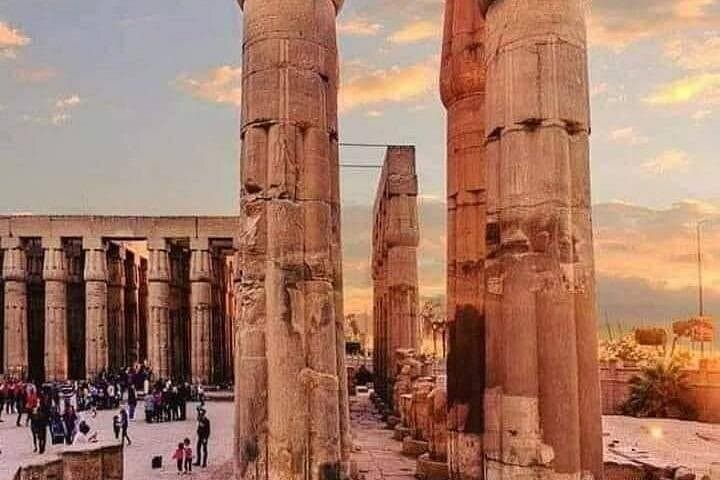
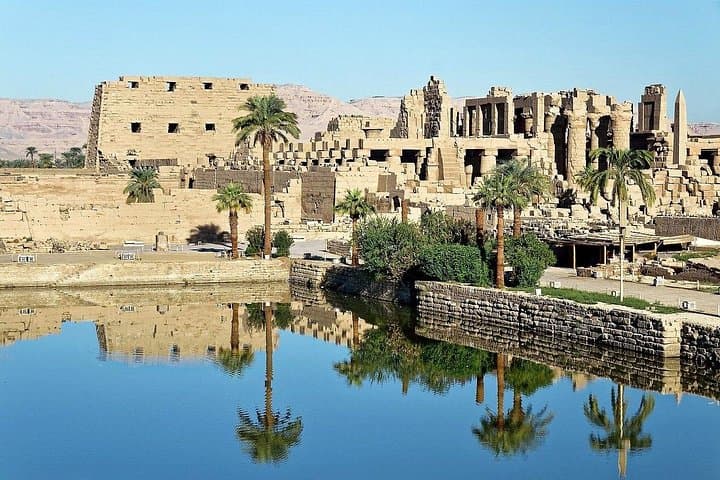
This five-day itinerary threads key chapters of ancient Egypt: the royal tombs of the Valley of the Kings, Hatshepsut's terraced mortuary temple, Karnak's hypostyle hall, and the colossal faces at Abu Simbel relocated to save them from the rising waters of Lake Nasser. Geologically, the voyage follows the Nile's alluvial corridor — a narrow fertile ribbon through desert rock — which explains why major cities and monumental complexes cluster on its banks. Culturally, travelers encounter modern Nubian villages, temple priests' offerings of ritual and myth, and a living river economy of feluccas and fishermen.
Practical note: most days begin early — hot air balloon flights and temple visits are at first light to avoid heat and crowds. Expect flat, paved approaches at major sites but stone steps and uneven rock in tombs. Carry water and sunscreen; photographic etiquette matters at religious sites and inside tombs. Boat accommodation on a five-star Nile cruiser usually includes full board, transfers, and an Egyptologist guide, but timing for Abu Simbel and balloon rides can be weather-dependent. For comfort, plan lightweight layers for cool mornings and secure footwear for dusty temple grounds. With planning and respect for local customs, the cruise is a compact, accessible way to cross centuries in five river-soaked days.