THE ADVENTURE COLLECTIVE® · Independent discovery and booking for outdoor travel

Sail the Nile from Aswan to Luxor over three nights aboard a 5-star cruiser. Visit Philae, Kom Ombo, Edfu, the Valley of the Kings and Karnak while traveling by ship and overnight train.
Sail the Nile from Aswan to Luxor over three nights aboard a 5-star cruiser. Visit Philae, Kom Ombo, Edfu, the Valley of the Kings and Karnak while traveling by ship and overnight train.
You wake on the deck as the Nile slips past—mud-brown water pushing the hull south while palm-lined banks blur into small villages and ancient stone.
Verified experiences and guided adventures in the surrounding area.
Operated by Khonsu Tours · Aswan, Aswan Governorate
You wake on the deck as the Nile slips past—mud-brown water pushing the hull south while palm-lined banks blur into small villages and ancient stone.
This 3-night, 4-day sailing between Aswan and Luxor places you in Egypt’s living history: Philae’s island temple, the unfinished obelisk hewn from Aswan granite, the crocodile-dedicated double temple at Kom Ombo, and the columned grandeur of Karnak and Luxor. The river itself does the work of time—depositing silt, directing settlements and shaping the valley that supported pharaonic civilization.
Geologically, the route traces a boundary between Nubian granite around Aswan and the sedimentary sandstone of Upper Egypt; culturally it threads Coptic villages, felucca-sailed fishermen and the modern imprint of the Aswan High Dam. Onboard, evenings are slow and practical—meals served, short lectures, and shore visits arranged by tender.
Practical guidance: expect several short sail legs and 2–4 hours of guided walking on most days, with uneven temple steps, narrow tomb corridors and exposed desert sun. Bring sturdy walking shoes, sun protection, and a small daypack. Passports and printed train/transfer details are essential for embarkation and the overnight rail segments. Hydrate frequently—Upper Egypt’s sun is direct and the river breeze can be deceptive. Early-morning and late-afternoon visits are cooler and quieter; plan photo windows accordingly.
This itinerary suits travelers wanting curated cultural immersion with minimal logistics: the ship handles lodging and most transport while you focus on temples, river views and the slow push of the Nile beneath the hull.
easy.
3–4 days.
Light activity: short guided walks, climbing stairs inside temples and tombs; suitable for most travelers with basic mobility.
Most group tours do not include individual temple entrance fees—confirm with the operator; your itinerary notes admissions may be handled separately.
Visa requirements depend on nationality—many travelers obtain a visa on arrival or e-visa; check official Egyptian consulate guidance before travel.
Yes, the pace is moderate with onboard accommodations, but expect uneven ground, steps and some walking; mobility issues should be discussed with the operator in advance.
Tipping is customary for guides, drivers and ship staff; carry small denominations of Egyptian pounds and ask your operator for suggested amounts.
The Nile valley has supported settled civilization for millennia; many stops on this route—Philae, Kom Ombo, Karnak—reflect successive religious and political layers from Pharaonic to Greco-Roman eras.
Respect archaeological sites by not touching reliefs or climbing monuments, limit single-use plastics and follow local guidance to reduce impacts on fragile desert and riverbank ecosystems.
Khonsu Tours operates guided outdoor trips and adventures with an emphasis on safety, stewardship, and memorable experiences.
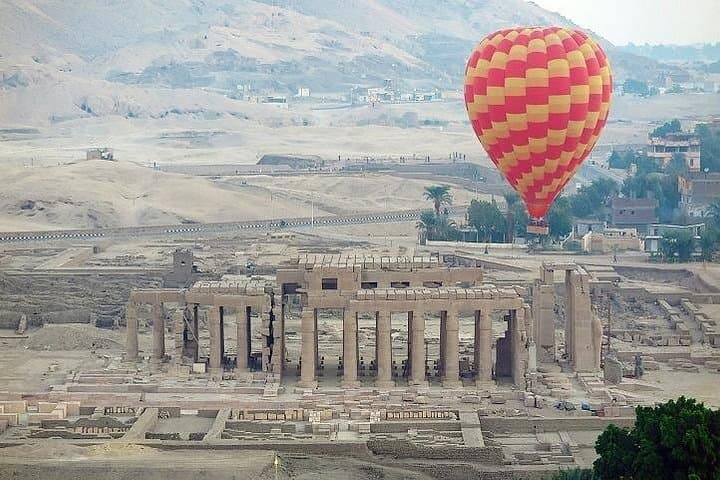
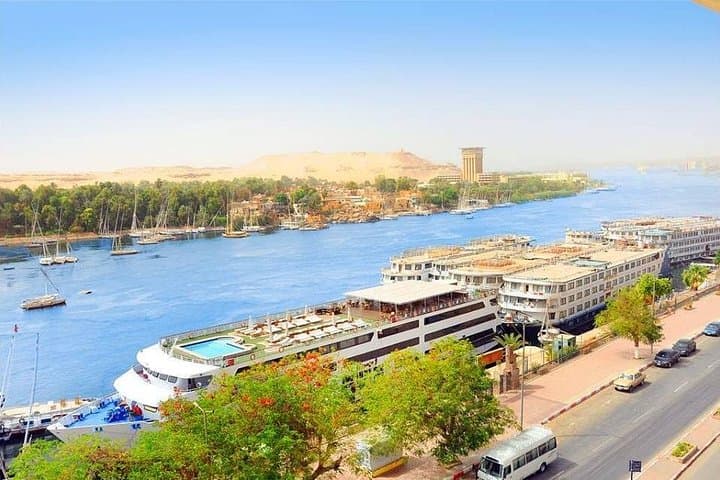
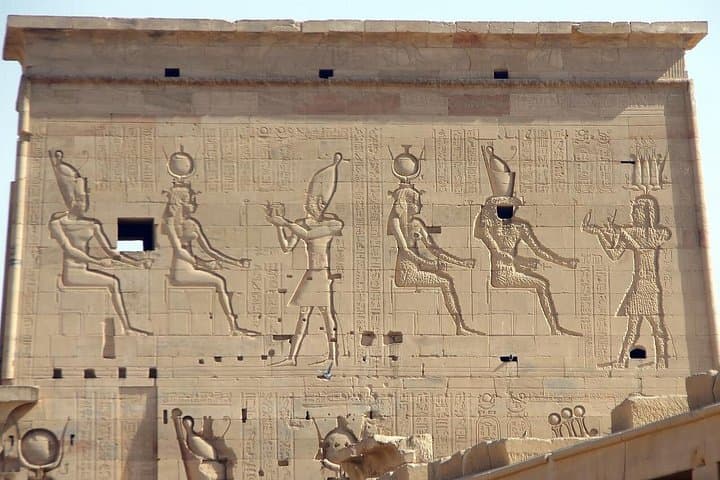
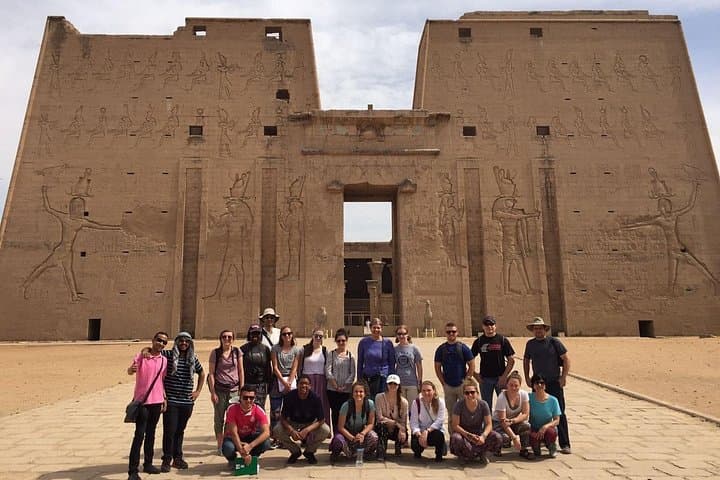
You wake on the deck as the Nile slips past—mud-brown water pushing the hull south while palm-lined banks blur into small villages and ancient stone.
You wake on the deck as the Nile slips past—mud-brown water pushing the hull south while palm-lined banks blur into small villages and ancient stone.
This 3-night, 4-day sailing between Aswan and Luxor places you in Egypt’s living history: Philae’s island temple, the unfinished obelisk hewn from Aswan granite, the crocodile-dedicated double temple at Kom Ombo, and the columned grandeur of Karnak and Luxor. The river itself does the work of time—depositing silt, directing settlements and shaping the valley that supported pharaonic civilization.
Geologically, the route traces a boundary between Nubian granite around Aswan and the sedimentary sandstone of Upper Egypt; culturally it threads Coptic villages, felucca-sailed fishermen and the modern imprint of the Aswan High Dam. Onboard, evenings are slow and practical—meals served, short lectures, and shore visits arranged by tender.
Practical guidance: expect several short sail legs and 2–4 hours of guided walking on most days, with uneven temple steps, narrow tomb corridors and exposed desert sun. Bring sturdy walking shoes, sun protection, and a small daypack. Passports and printed train/transfer details are essential for embarkation and the overnight rail segments. Hydrate frequently—Upper Egypt’s sun is direct and the river breeze can be deceptive. Early-morning and late-afternoon visits are cooler and quieter; plan photo windows accordingly.
This itinerary suits travelers wanting curated cultural immersion with minimal logistics: the ship handles lodging and most transport while you focus on temples, river views and the slow push of the Nile beneath the hull.