THE ADVENTURE COLLECTIVE® · Independent discovery and booking for outdoor travel

Sail between Aswan and Luxor, visit Abu Simbel, Kom Ombo and the Valley of the Kings, and travel on overnight sleeping trains to link Cairo. This compact cruise combines temple visits with time on deck to watch river life unfold.
Sail between Aswan and Luxor, visit Abu Simbel, Kom Ombo and the Valley of the Kings, and travel on overnight sleeping trains to link Cairo. This compact cruise combines temple visits with time on deck to watch river life unfold.
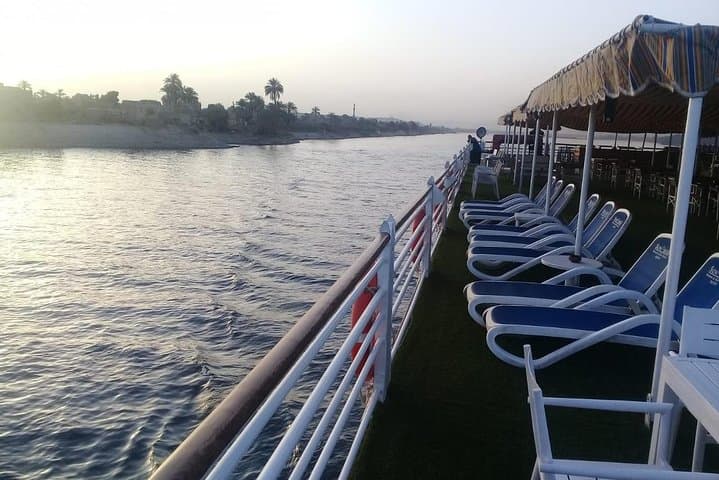
You wake before dawn as the sleeping train slides into Aswan, citrus light cutting across the Nile and low boats bobbing at the quay. The ship waits — a compact floating hotel — and as you climb aboard the river takes over, pushing the day forward past reed-lined banks, Nubian villages, and temples carved out of living rock.
Verified experiences and guided adventures in the surrounding area.
Operated by Special trips · Luxor, Luxor Governorate
You wake before dawn as the sleeping train slides into Aswan, citrus light cutting across the Nile and low boats bobbing at the quay. The ship waits — a compact floating hotel — and as you climb aboard the river takes over, pushing the day forward past reed-lined banks, Nubian villages, and temples carved out of living rock.
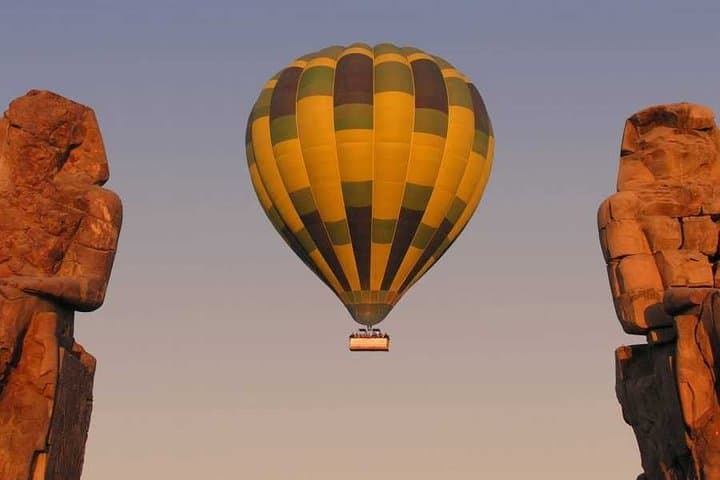
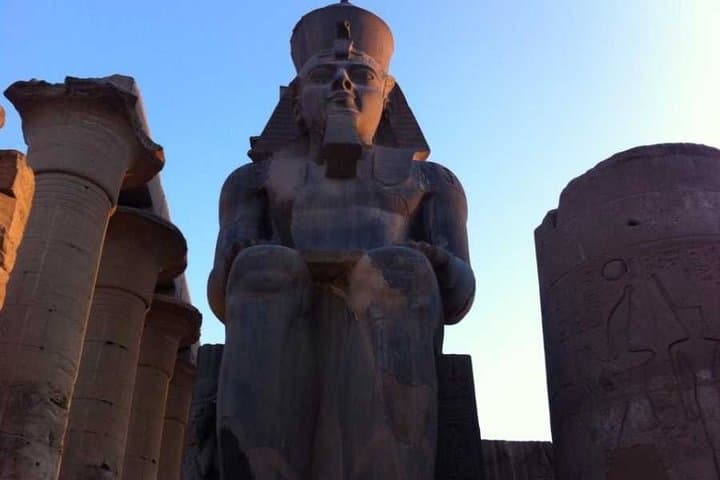
This route threads Egypt’s long human story: pharaonic sites like Abu Simbel and the Valley of the Kings that celebrate imperial ritual, Greco-Roman and Coptic layers in Luxor, and modern interventions such as the Aswan High Dam that reshaped the Nile’s flow and local ecology. Geologically the river has cut a fertile corridor through desert, leaving sandstone outcrops and alluvial flats that cradle settlements.
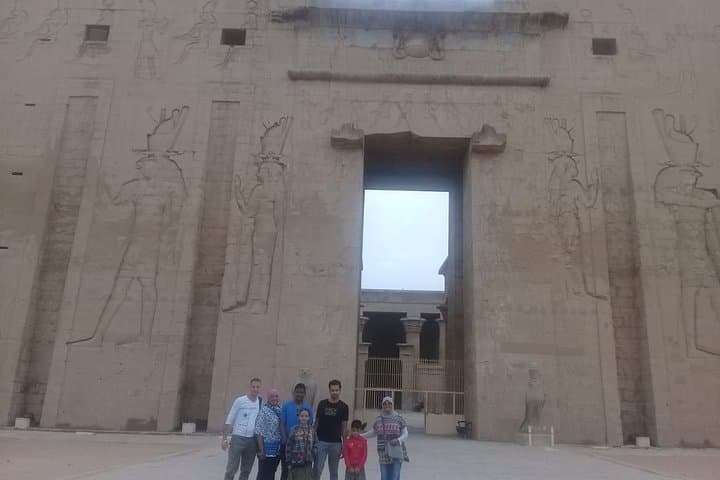
On deck you’ll meet Egyptology guides who explain hieroglyphics, temple orientation, and the double dedication of Kom Ombo to Sobek and Horus. Cultural pockets appear in Nubian villages — colorful houses and boat-builders working at water’s edge.
Practically, expect gentle daily rhythms: early temple starts to beat the heat, afternoons for sailing and tea on the sun deck, and nights in a cabin with full board. Stairs and uneven temple steps require steady footwear; daytime highs can be intense, so hydrate and pace walking tours. Transfers from Cairo by sleeping train add logistic convenience but bring travel fatigue — plan a buffer day after arrival or before departing. With planning, this is a compact way to experience Egypt’s monumental past and the Nile’s quiet present.
moderate.
5–6 days.
Suitable for travelers in average fitness who can handle repeated short walks, stairs, and boarding small boats; not strenuous but requires stamina for long days.
Yes — door-to-door pickup from hotels in Cairo or Giza is included; confirm your preferred pickup point during booking.
Abu Simbel is reached by a road transfer early in the morning; many operators offer a guided visit timed to beat heat and crowds.
The itinerary notes full board (breakfast, lunch, dinner) on the cruise; check whether soft drinks or specialty items are extra.
Visits involve walking on uneven surfaces and climbing steps; most travelers manage with comfortable shoes and moderate fitness.
This corridor of the Nile concentrates pharaonic power: Luxor was the heart of Thebes, while Abu Simbel symbolizes New Kingdom monumentalism and twentieth-century resettlement efforts tied to the Aswan High Dam.
Rising tourism and changes in Nile hydrology from the High Dam affect local fisheries and archaeological site management; choose operators that support responsible guiding and respect fragile sites.
Special trips operates guided outdoor trips and adventures with an emphasis on safety, stewardship, and memorable experiences.
You wake before dawn as the sleeping train slides into Aswan, citrus light cutting across the Nile and low boats bobbing at the quay. The ship waits — a compact floating hotel — and as you climb aboard the river takes over, pushing the day forward past reed-lined banks, Nubian villages, and temples carved out of living rock.
You wake before dawn as the sleeping train slides into Aswan, citrus light cutting across the Nile and low boats bobbing at the quay. The ship waits — a compact floating hotel — and as you climb aboard the river takes over, pushing the day forward past reed-lined banks, Nubian villages, and temples carved out of living rock.
This route threads Egypt’s long human story: pharaonic sites like Abu Simbel and the Valley of the Kings that celebrate imperial ritual, Greco-Roman and Coptic layers in Luxor, and modern interventions such as the Aswan High Dam that reshaped the Nile’s flow and local ecology. Geologically the river has cut a fertile corridor through desert, leaving sandstone outcrops and alluvial flats that cradle settlements.
On deck you’ll meet Egyptology guides who explain hieroglyphics, temple orientation, and the double dedication of Kom Ombo to Sobek and Horus. Cultural pockets appear in Nubian villages — colorful houses and boat-builders working at water’s edge.
Practically, expect gentle daily rhythms: early temple starts to beat the heat, afternoons for sailing and tea on the sun deck, and nights in a cabin with full board. Stairs and uneven temple steps require steady footwear; daytime highs can be intense, so hydrate and pace walking tours. Transfers from Cairo by sleeping train add logistic convenience but bring travel fatigue — plan a buffer day after arrival or before departing. With planning, this is a compact way to experience Egypt’s monumental past and the Nile’s quiet present.