THE ADVENTURE COLLECTIVE® · Independent discovery and booking for outdoor travel

Float between two ancient cities on a three-night Nile cruise that pairs hot-air balloon sunrise over Luxor with guided visits to Karnak, Edfu, Kom Ombo and the relocated Abu Simbel temples. Early starts, shaded decks and a steady river pace make this a practical way to see Upper Egypt’s highlights.
Float between two ancient cities on a three-night Nile cruise that pairs hot-air balloon sunrise over Luxor with guided visits to Karnak, Edfu, Kom Ombo and the relocated Abu Simbel temples. Early starts, shaded decks and a steady river pace make this a practical way to see Upper Egypt’s highlights.
Morning light slices across the Nile and your cabin rocks with a gentle, ancient rhythm as the cruise slips away from Luxor’s quay. From the deck the river pushes the city’s ruins toward you — towering colossi, pylons and the linear silhouette of palm groves — while the boat’s wake writes a temporary line through a landscape that has steered civilizations for millennia.
Verified experiences and guided adventures in the surrounding area.
Operated by Book Your Tours · Luxor, Luxor Governorate
Morning light slices across the Nile and your cabin rocks with a gentle, ancient rhythm as the cruise slips away from Luxor’s quay. From the deck the river pushes the city’s ruins toward you — towering colossi, pylons and the linear silhouette of palm groves — while the boat’s wake writes a temporary line through a landscape that has steered civilizations for millennia.
This four-day itinerary threads New Kingdom tombs, Ptolemaic temples and modern engineering: the Valley of the Kings and Hatshepsut’s mortuary temple on Luxor’s west bank; Karnak’s forest of columns and Luxor Temple on the east; the finely preserved Ptolemaic sanctuaries at Edfu and Kom Ombo; and the monumental Abu Simbel, relocated to save it from Lake Nasser. Geology here is simple and stark — river-cut alluvium against sandstone scarps — but it underpins 4,000 years of settlement and the temple-building economies that shaped Egyptian culture.
Expect guided shore excursions, a pre-dawn hot-air balloon over Luxor’s monuments, motorboat rides to Philae, and a visit to the High Dam in Aswan. Days balance early starts with shaded afternoons aboard a five-star vessel and evenings with optional lectures or local music.
Practical notes: carry cash for entrance tickets and tips, bring strong sun protection and a light layer for cool mornings, and plan for multiple short walks on step-heavy temple terrain. Balloon flights and Abu Simbel transfers run early; punctuality is essential. The trip is immersive and logistical — history and the river demand both curiosity and preparedness.
moderate.
4 days.
Suitable for travelers who can manage multiple short walks, stairs and early mornings; minimal sustained exertion required.
Some entry fees may be included in shore tours, but many archaeological site tickets and special-camera fees are paid locally—bring cash.
Balloon flights are weather-dependent and subject to weight limits; operators attempt to reschedule if possible but there is no absolute guarantee.
The operator lists wheelchair-accessible transport and some ship areas, but many temple sites include stairs and uneven ground—contact the supplier ahead to confirm specific accessibility needs.
Many nationalities require a tourist visa; check Egypt’s visa rules before travel and carry passport details for booking and airport transfers.
This route follows the Nile corridor that powered the New Kingdom and later Ptolemaic temple-building; Abu Simbel was dismantled and rebuilt in the 1960s to avoid inundation from the High Dam.
UNESCO-led relocation projects saved key monuments, and low-impact practices like staying on marked paths and avoiding flash photography at fragile reliefs help protect sites and riverbank habitats.
Book Your Tours operates guided outdoor trips and adventures with an emphasis on safety, stewardship, and memorable experiences.

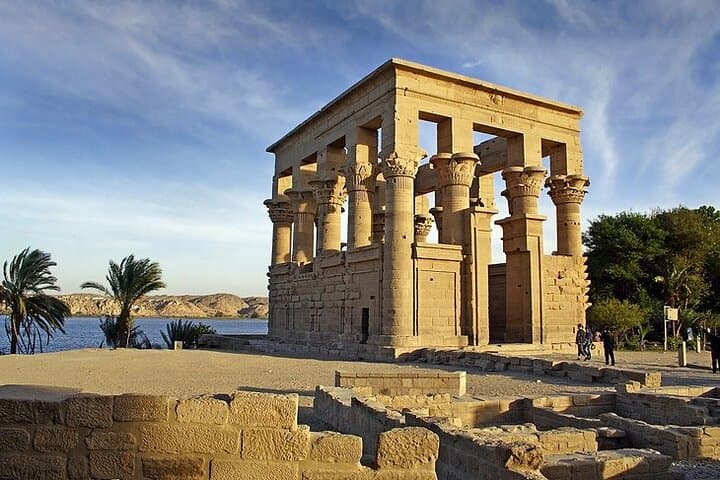
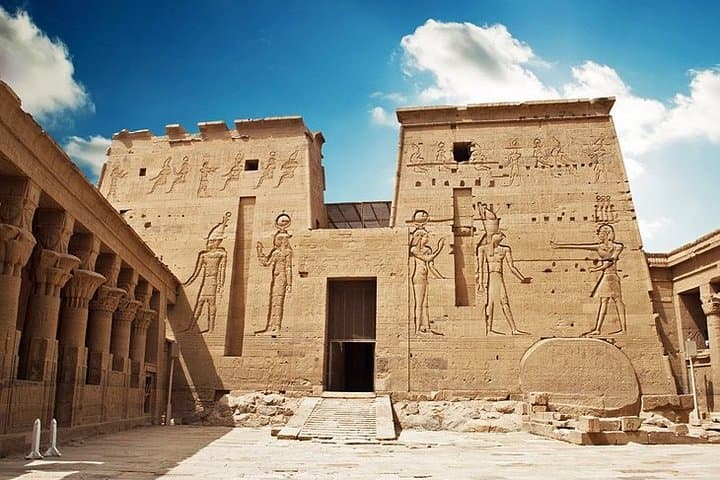
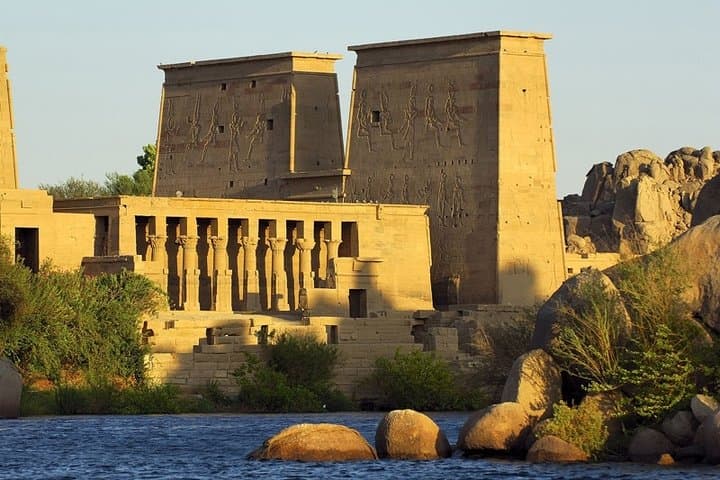
Morning light slices across the Nile and your cabin rocks with a gentle, ancient rhythm as the cruise slips away from Luxor’s quay. From the deck the river pushes the city’s ruins toward you — towering colossi, pylons and the linear silhouette of palm groves — while the boat’s wake writes a temporary line through a landscape that has steered civilizations for millennia.
Morning light slices across the Nile and your cabin rocks with a gentle, ancient rhythm as the cruise slips away from Luxor’s quay. From the deck the river pushes the city’s ruins toward you — towering colossi, pylons and the linear silhouette of palm groves — while the boat’s wake writes a temporary line through a landscape that has steered civilizations for millennia.
This four-day itinerary threads New Kingdom tombs, Ptolemaic temples and modern engineering: the Valley of the Kings and Hatshepsut’s mortuary temple on Luxor’s west bank; Karnak’s forest of columns and Luxor Temple on the east; the finely preserved Ptolemaic sanctuaries at Edfu and Kom Ombo; and the monumental Abu Simbel, relocated to save it from Lake Nasser. Geology here is simple and stark — river-cut alluvium against sandstone scarps — but it underpins 4,000 years of settlement and the temple-building economies that shaped Egyptian culture.
Expect guided shore excursions, a pre-dawn hot-air balloon over Luxor’s monuments, motorboat rides to Philae, and a visit to the High Dam in Aswan. Days balance early starts with shaded afternoons aboard a five-star vessel and evenings with optional lectures or local music.
Practical notes: carry cash for entrance tickets and tips, bring strong sun protection and a light layer for cool mornings, and plan for multiple short walks on step-heavy temple terrain. Balloon flights and Abu Simbel transfers run early; punctuality is essential. The trip is immersive and logistical — history and the river demand both curiosity and preparedness.