THE ADVENTURE COLLECTIVE® · Independent discovery and booking for outdoor travel

Float the Nile between Luxor and Aswan on a seven-night cruise that pairs comfortable full-board accommodations with daily guided visits to the Valley of the Kings, Edfu, Kom Ombo, Philae and Aswan’s High Dam. Ideal for travelers who want concentrated access to Egypt’s major temple complexes with the convenience of one base.
Float the Nile between Luxor and Aswan on a seven-night cruise that pairs comfortable full-board accommodations with daily guided visits to the Valley of the Kings, Edfu, Kom Ombo, Philae and Aswan’s High Dam. Ideal for travelers who want concentrated access to Egypt’s major temple complexes with the convenience of one base.
You step onto the teak sundeck as the Nile pulls the ship away from Luxor’s docks — the river narrowing, mud-brick villages sliding past, and a long line of palms keeping pace. Morning light scratches the desert ridges while the ship hums south toward Aswan, a rolling parade of temples, locks, and low cliffs.
Verified experiences and guided adventures in the surrounding area.
Operated by Get Egypt Vacation · Luxor, Luxor Governorate
You step onto the teak sundeck as the Nile pulls the ship away from Luxor’s docks — the river narrowing, mud-brick villages sliding past, and a long line of palms keeping pace. Morning light scratches the desert ridges while the ship hums south toward Aswan, a rolling parade of temples, locks, and low cliffs.
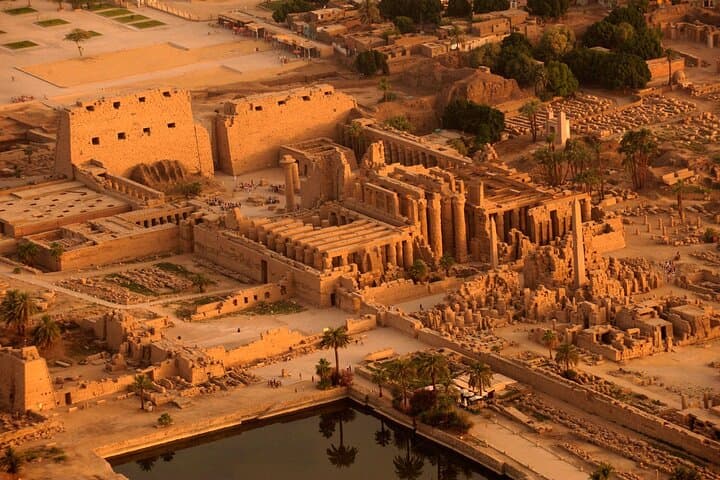
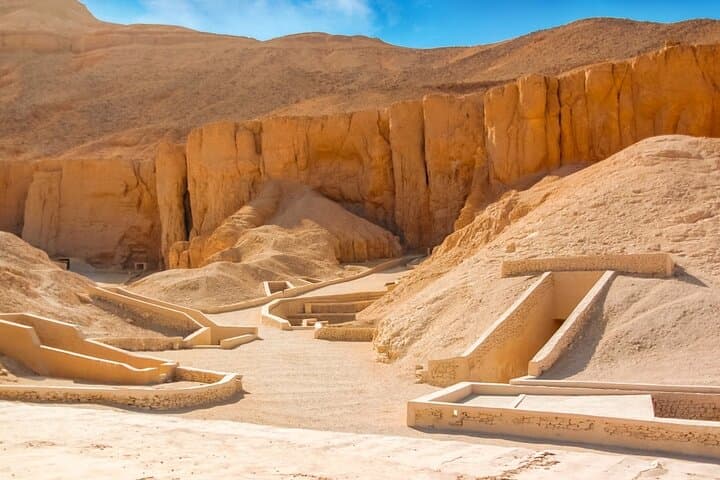
This route threads through the heart of ancient Egypt: the Valley of the Kings’ rock-cut tombs, Hatshepsut’s terraced mortuary, the intact hypostyle halls of Karnak, the skyward façade of Edfu’s Horus temple, Kom Ombo’s twin shrines, and Philae’s island sanctuary accessed by boat. Geologically the Nile valley is a narrow fertile ribbon carved through limestone plateau; Aswan’s High Dam reshaped water levels and agriculture in the 20th century, altering the river’s pace and local life. Expect Nubian culture in Aswan — bright-painted houses, market stalls, and boatmen on feluccas.
Practically, the cruise covers roughly 220 km (135 miles) of river over seven nights with daily guided land visits and included entrance fees. Days begin early to beat heat and to queue for tombs; evenings are for tea on deck. Pack light layers, closed walking shoes for temple steps, sun protection, and modest clothes for religious sites. Bring small notes for tips, a photocopy of your passport, and a rechargeable water bottle — hydration is nonnegotiable. Optional early-morning excursions to Abu Simbel require an extra day and an alarm clock. With knowledgeable Egyptology guides and comfortable full-board cabins, this itinerary balances slow sailing with concentrated cultural exploration.
easy.
8 days (7 nights).
Suitable for most travelers with basic mobility for boarding boats, walking temple steps, and short guided walks.
Yes — entrance fees to the mentioned sites are included in the cruise price, though optional excursions like Abu Simbel are extra.
Generally yes; the itinerary is rated easy but requires mobility for boarding, temple steps, and occasional short walks—notify operators of special requirements.
Most nationalities require an entry visa; check visa rules before travel and have passport details ready for booking and pickup transfers.
Yes — an optional early-morning excursion to Abu Simbel is available from Aswan and usually starts very early (around 4:00 AM) and is an extra cost.
This corridor of the Nile hosted pharaonic capitals for millennia; many temples were built to align with celestial events and riverine trade routes.
Tourism strains fragile sites and local water resources; support certified local guides, avoid touching reliefs, and limit single-use plastics to help preserve monuments and habitats.
Get Egypt Vacation operates guided outdoor trips and adventures with an emphasis on safety, stewardship, and memorable experiences.


You step onto the teak sundeck as the Nile pulls the ship away from Luxor’s docks — the river narrowing, mud-brick villages sliding past, and a long line of palms keeping pace. Morning light scratches the desert ridges while the ship hums south toward Aswan, a rolling parade of temples, locks, and low cliffs.
You step onto the teak sundeck as the Nile pulls the ship away from Luxor’s docks — the river narrowing, mud-brick villages sliding past, and a long line of palms keeping pace. Morning light scratches the desert ridges while the ship hums south toward Aswan, a rolling parade of temples, locks, and low cliffs.
This route threads through the heart of ancient Egypt: the Valley of the Kings’ rock-cut tombs, Hatshepsut’s terraced mortuary, the intact hypostyle halls of Karnak, the skyward façade of Edfu’s Horus temple, Kom Ombo’s twin shrines, and Philae’s island sanctuary accessed by boat. Geologically the Nile valley is a narrow fertile ribbon carved through limestone plateau; Aswan’s High Dam reshaped water levels and agriculture in the 20th century, altering the river’s pace and local life. Expect Nubian culture in Aswan — bright-painted houses, market stalls, and boatmen on feluccas.
Practically, the cruise covers roughly 220 km (135 miles) of river over seven nights with daily guided land visits and included entrance fees. Days begin early to beat heat and to queue for tombs; evenings are for tea on deck. Pack light layers, closed walking shoes for temple steps, sun protection, and modest clothes for religious sites. Bring small notes for tips, a photocopy of your passport, and a rechargeable water bottle — hydration is nonnegotiable. Optional early-morning excursions to Abu Simbel require an extra day and an alarm clock. With knowledgeable Egyptology guides and comfortable full-board cabins, this itinerary balances slow sailing with concentrated cultural exploration.