THE ADVENTURE COLLECTIVE® · Independent discovery and booking for outdoor travel

Float between Luxor and Aswan on a five‑day Nile cruise that pairs relaxed river time with sunrise ballooning and shore visits to Karnak, the Valley of the Kings, Philae and Abu Simbel. Expect early mornings, hot dry days, and short guided walks across uneven temple stone.
Float between Luxor and Aswan on a five‑day Nile cruise that pairs relaxed river time with sunrise ballooning and shore visits to Karnak, the Valley of the Kings, Philae and Abu Simbel. Expect early mornings, hot dry days, and short guided walks across uneven temple stone.
Dawn finds the Nile a glossy ribbon as you step aboard a five‑star cruiser in Luxor. The ship nudges off, palms and small islands sliding past while guides brief you on temples you’ll reach by land: Karnak’s avenue of columns, the hush of the Valley of the Kings, and the sculpted faces of Abu Simbel far downriver.
Verified experiences and guided adventures in the surrounding area.
Operated by Book Your Tours · Luxor, Luxor Governorate
Dawn finds the Nile a glossy ribbon as you step aboard a five‑star cruiser in Luxor. The ship nudges off, palms and small islands sliding past while guides brief you on temples you’ll reach by land: Karnak’s avenue of columns, the hush of the Valley of the Kings, and the sculpted faces of Abu Simbel far downriver.
This route follows the Nile’s long human story — pharaonic capital Thebes, Ptolemaic temple-building in Edfu and Kom Ombo, and 20th‑century feats like the Aswan High Dam that reshaped Lake Nasser and modern Egypt. Geologically the valley is a corridor of alluvial soil against sandstone escarpments; ancient builders quarried and sited their temples to face the river and the sun.
You’ll encounter Nubian culture in Aswan: painted houses, feluccas slipping by, and captains in traditional galabeya navigating narrow channels. The experience mixes relaxed river time with short, focused shore excursions — often on hot, dusty surfaces and stone steps.
Practical guidance: pack breathable sun protection, sturdy walking shoes for uneven temple floors and steps, and a small daypack for water and documents. Hot‑air balloon flights leave before sunrise; bring a light layer for the chilly lift-off. Expect guided transfers between ship and sites, bottled water during tours, and early starts to avoid midday heat. If you plan visits to Abu Simbel, allow the long early‑morning transfer or included internal flight options. Carry small local notes for tipping and market purchases. With basic planning — sun care, hydration, and comfortable shoes — the cruise is a compact, efficient way to experience Upper Egypt’s archaeology and living river culture.
easy.
5 days.
Suitable for general travelers with basic mobility; expect short walks on uneven stone and occasional steps.
The balloon ride is included in this itinerary; operators use experienced pilots and pre‑flight safety briefings — expect an early morning launch and gentle landing, though exact procedures vary by provider.
Some itineraries include an early transfer by road; others offer an additional internal flight — check the trip details and be prepared for a long round‑trip if traveling by road.
Many vessels and some sites offer accessible options, but temple floors and tombs include uneven steps and narrow passages; check accessibility specifics before booking.
Carry Egyptian pounds for small purchases and tipping; ports and larger vendors may accept cards, but guides and service staff expect modest cash tips.
This corridor of the Nile hosted Thebes, the pharaonic capital; major temple complexes grew along the river from the New Kingdom through Ptolemaic times, while the Aswan High Dam and the creation of Lake Nasser reshaped the region in the 20th century.
Tour operators are increasingly emphasizing responsible visits to fragile sites and minimizing plastic use; follow local guidance, stay on marked paths, and avoid touching reliefs to help preserve ancient stonework.
Book Your Tours operates guided outdoor trips and adventures with an emphasis on safety, stewardship, and memorable experiences.
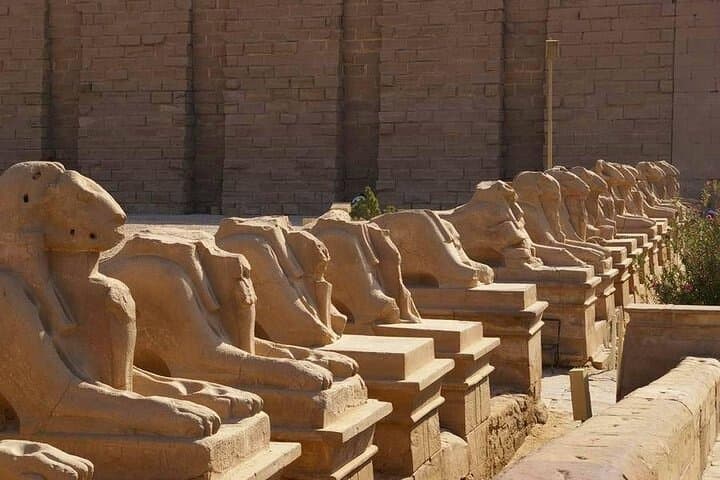
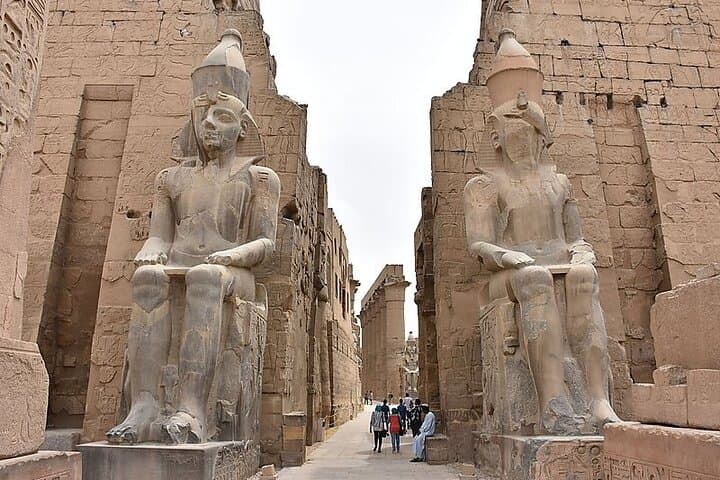
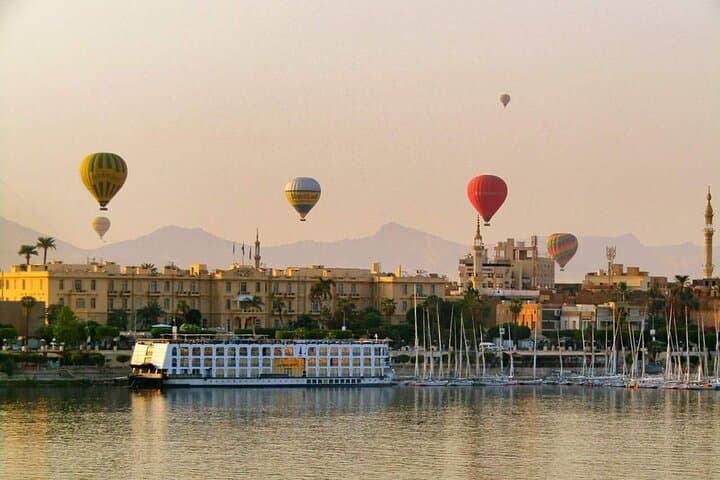
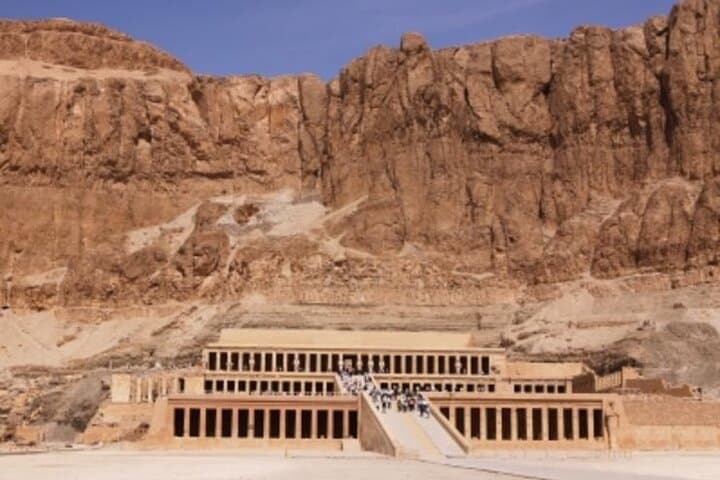
Dawn finds the Nile a glossy ribbon as you step aboard a five‑star cruiser in Luxor. The ship nudges off, palms and small islands sliding past while guides brief you on temples you’ll reach by land: Karnak’s avenue of columns, the hush of the Valley of the Kings, and the sculpted faces of Abu Simbel far downriver.
Dawn finds the Nile a glossy ribbon as you step aboard a five‑star cruiser in Luxor. The ship nudges off, palms and small islands sliding past while guides brief you on temples you’ll reach by land: Karnak’s avenue of columns, the hush of the Valley of the Kings, and the sculpted faces of Abu Simbel far downriver.
This route follows the Nile’s long human story — pharaonic capital Thebes, Ptolemaic temple-building in Edfu and Kom Ombo, and 20th‑century feats like the Aswan High Dam that reshaped Lake Nasser and modern Egypt. Geologically the valley is a corridor of alluvial soil against sandstone escarpments; ancient builders quarried and sited their temples to face the river and the sun.
You’ll encounter Nubian culture in Aswan: painted houses, feluccas slipping by, and captains in traditional galabeya navigating narrow channels. The experience mixes relaxed river time with short, focused shore excursions — often on hot, dusty surfaces and stone steps.
Practical guidance: pack breathable sun protection, sturdy walking shoes for uneven temple floors and steps, and a small daypack for water and documents. Hot‑air balloon flights leave before sunrise; bring a light layer for the chilly lift-off. Expect guided transfers between ship and sites, bottled water during tours, and early starts to avoid midday heat. If you plan visits to Abu Simbel, allow the long early‑morning transfer or included internal flight options. Carry small local notes for tipping and market purchases. With basic planning — sun care, hydration, and comfortable shoes — the cruise is a compact, efficient way to experience Upper Egypt’s archaeology and living river culture.