THE ADVENTURE COLLECTIVE® · Independent discovery and booking for outdoor travel

Sail the Nile between Luxor and Aswan on a five-day private cruise that pairs relaxed river travel with guided visits to Karnak, the Valley of the Kings, Edfu, Kom Ombo and Philae. Expect short walks, early mornings and vivid history explained by an Egyptologist.
Sail the Nile between Luxor and Aswan on a five-day private cruise that pairs relaxed river travel with guided visits to Karnak, the Valley of the Kings, Edfu, Kom Ombo and Philae. Expect short walks, early mornings and vivid history explained by an Egyptologist.
Boarding at dawn, the Nile slips past in slow procession: palm groves press their shadows to the water, village feluccas cut white arcs, and the cruise’s teak deck catches the first heat of the sun. Onboard, the river becomes a moving viewpoint—temples and quarries unfurl like chapters, and the current seems to guide the boat as surely as the Egyptologist guides the group.
Verified experiences and guided adventures in the surrounding area.
Operated by Egypt Lovely Tours · Luxor, Luxor Governorate
Boarding at dawn, the Nile slips past in slow procession: palm groves press their shadows to the water, village feluccas cut white arcs, and the cruise’s teak deck catches the first heat of the sun. Onboard, the river becomes a moving viewpoint—temples and quarries unfurl like chapters, and the current seems to guide the boat as surely as the Egyptologist guides the group.
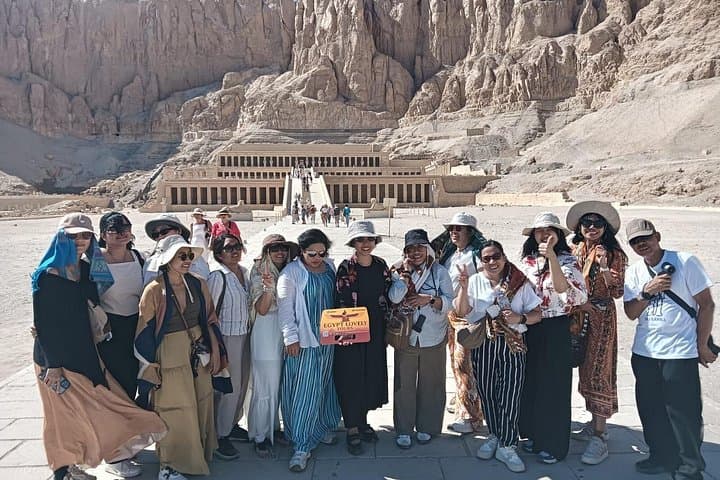
This route threads core chapters of pharaonic history. Luxor and Karnak show the scale of New Kingdom statecraft; the Valley of the Kings hides painted tombs carved into limestone slopes; Hatshepsut’s mortuary temple rises from the desert like deliberate architecture. Edfu and Kom Ombo reveal Ptolemaic ritual blends, while Aswan’s granite quarries and the High Dam tell a more recent story of geology meeting modern engineering. Local Nubian culture in Aswan offers a different, colorful note—island gardens, markets, and crafts.
Practicalities are straightforward: expect daily shore excursions and short walks on uneven surfaces, often in strong sun. Dress modestly for temple visits (shoulders and knees covered), bring a refillable water bottle, and use breathable layers for cool mornings and hot afternoons. Early starts avoid heat and crowds; carry local cash for small purchases and tips. If you extend to Abu Simbel, factor in an extra day or a short flight.
This cruise balances slow travel with intense encounters: the Nile will reward patience, nudging you from one stone-carved story to the next while the ship keeps time with the river’s steady pulse.
easy.
5 days.
Suitable for travelers in average fitness who can manage short, uneven walks and laddered tomb entries.
Most nationalities require a valid passport; many visitors obtain an Egyptian tourist visa in advance or on arrival—check current entry rules before travel.
Yes; the itinerary is rated easy with short walks, though some tombs require navigating steps; notify the operator of mobility concerns for assistance.
The tour lists many admissions as included, but confirm which sites and whether optional extras (like Abu Simbel) require separate payment.
Tipping is customary in Egypt; budget small amounts for guides, drivers and boat crew—your tour operator can provide guidance on local practices.
The Nile corridor was the lifeblood of ancient Egypt; temples and tombs along this stretch record centuries of pharaonic, Ptolemaic and Roman presence.
The High Dam changed sediment flow and ecology downstream; practice low-impact travel—avoid litter, support local guides and respect protected sites.
Egypt Lovely Tours operates guided outdoor trips and adventures with an emphasis on safety, stewardship, and memorable experiences.
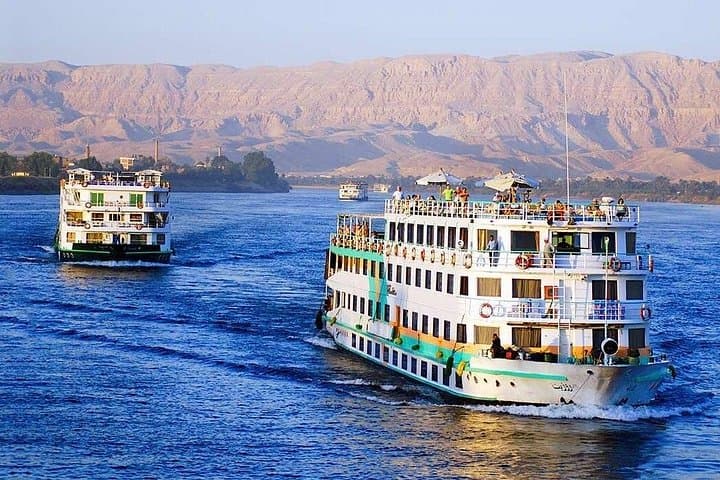
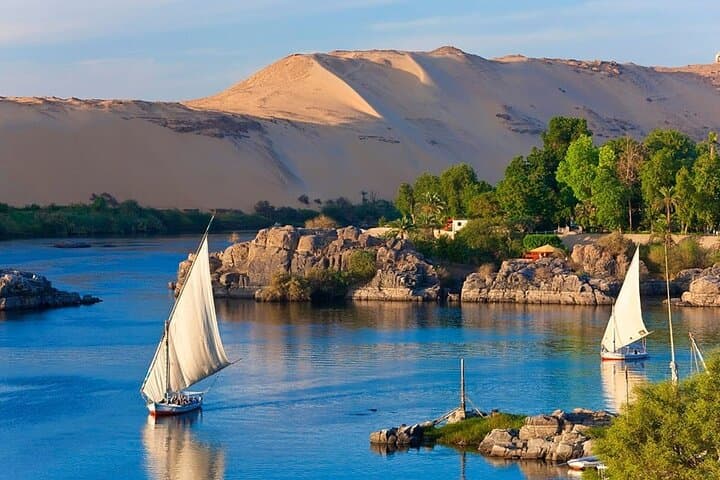
Boarding at dawn, the Nile slips past in slow procession: palm groves press their shadows to the water, village feluccas cut white arcs, and the cruise’s teak deck catches the first heat of the sun. Onboard, the river becomes a moving viewpoint—temples and quarries unfurl like chapters, and the current seems to guide the boat as surely as the Egyptologist guides the group.
Boarding at dawn, the Nile slips past in slow procession: palm groves press their shadows to the water, village feluccas cut white arcs, and the cruise’s teak deck catches the first heat of the sun. Onboard, the river becomes a moving viewpoint—temples and quarries unfurl like chapters, and the current seems to guide the boat as surely as the Egyptologist guides the group.
This route threads core chapters of pharaonic history. Luxor and Karnak show the scale of New Kingdom statecraft; the Valley of the Kings hides painted tombs carved into limestone slopes; Hatshepsut’s mortuary temple rises from the desert like deliberate architecture. Edfu and Kom Ombo reveal Ptolemaic ritual blends, while Aswan’s granite quarries and the High Dam tell a more recent story of geology meeting modern engineering. Local Nubian culture in Aswan offers a different, colorful note—island gardens, markets, and crafts.
Practicalities are straightforward: expect daily shore excursions and short walks on uneven surfaces, often in strong sun. Dress modestly for temple visits (shoulders and knees covered), bring a refillable water bottle, and use breathable layers for cool mornings and hot afternoons. Early starts avoid heat and crowds; carry local cash for small purchases and tips. If you extend to Abu Simbel, factor in an extra day or a short flight.
This cruise balances slow travel with intense encounters: the Nile will reward patience, nudging you from one stone-carved story to the next while the ship keeps time with the river’s steady pulse.