THE ADVENTURE COLLECTIVE® · Independent discovery and booking for outdoor travel

Glide between Luxor and Aswan on a 5‑day Nile cruise that pairs rivertime with guided visits to Karnak, the Valley of the Kings, Edfu, Kom Ombo and Philae. Full‑board on the boat makes the trip easy; the shoreline sites demand sturdy shoes and sun protection.
Glide between Luxor and Aswan on a 5‑day Nile cruise that pairs rivertime with guided visits to Karnak, the Valley of the Kings, Edfu, Kom Ombo and Philae. Full‑board on the boat makes the trip easy; the shoreline sites demand sturdy shoes and sun protection.
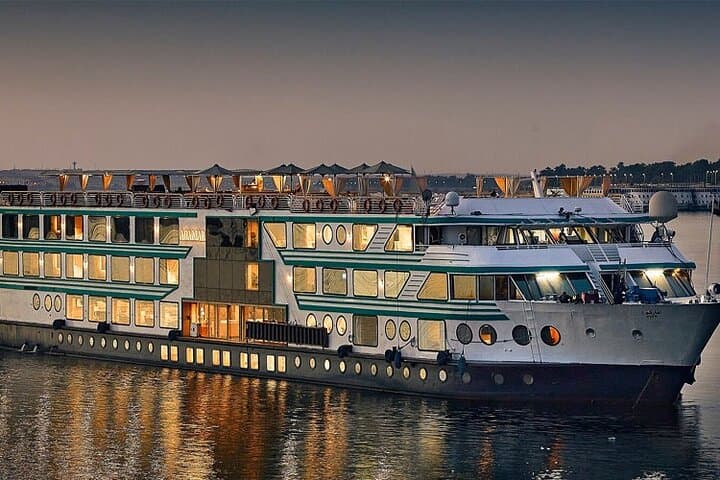
The boat eases away from Luxor at dawn and the Nile opens like a long, golden road. Date palms give way to mudbrick villages, birds lift off the water’s edge, and the river itself seems to push you forward toward stone that has watched empires rise and fall.
Verified experiences and guided adventures in the surrounding area.
Operated by Goto Egypt Tours · Luxor, Luxor Governorate
The boat eases away from Luxor at dawn and the Nile opens like a long, golden road. Date palms give way to mudbrick villages, birds lift off the water’s edge, and the river itself seems to push you forward toward stone that has watched empires rise and fall.
This 5-day, 4-night classical Nile cruise stitches together pharaonic sites between Luxor and Aswan — Karnak and Luxor Temples on the east bank, the Valley of the Kings and Hatshepsut on the west, the Ptolemaic precision of Edfu and Kom Ombo, and Aswan’s High Dam and Philae. Geologically the Nile valley is a narrow ribbon of alluvial soil carved through Nubian sandstone; its banks concentrate civilization and antiquities where floods once left fertile layers.
Culturally, you’ll move through layers of Egyptian history: New Kingdom mortuary complexes, Ptolemaic temple inscriptions, and the modern engineering of the Aswan Dam. Local insights: temple reliefs often record religious drama and royal propaganda; boatmen and Nubian guides provide oral perspectives that aren’t in guidebooks.
Practical guidance: expect short guided walks at each stop across uneven stone and sand, routine embarkation and disembarkation, and multi-course full-board meals on the cruise. Carry sun protection, a light daypack, comfortable closed shoes for temple floors, and photocopies of travel documents for checkpoints. If you plan Abu Simbel from Aswan, allow an early start — it’s 285 km south and requires a long road or air transfer.
Pace the days: mornings and late afternoons are best for photos and cooler touring; mid-day on board is ideal for rest and reading the inscriptions you saw earlier.
easy.
4–5 days.
Suitable for most travelers; be prepared for several short, sometimes steep or uneven walks at archaeological sites.
Abu Simbel is usually offered as an optional extension from Aswan; it requires a long road or short flight and is not always included in the base cruise price.
Excursions are generally short walks across archaeological sites with steps and uneven floors — not highly strenuous but they require stable footing and moderate mobility.
Most cruises provide English‑speaking guides and some offer French; check ahead if you need another language to ensure availability.
The cruise is full board with breakfast, lunch and dinner included; bottled water is supplied but specialty drinks and some shore refreshments may cost extra.
The route follows the Upper Egyptian Nile corridor where pharaonic capitals and mortuary complexes concentrated resources and ritual; many surviving temples were expanded across dynasties from New Kingdom through Ptolemaic times.
Rising tourist numbers and river traffic affect shoreline erosion and waste; choose operators who follow local waste disposal practices and limit single‑use plastics.
Goto Egypt Tours operates guided outdoor trips and adventures with an emphasis on safety, stewardship, and memorable experiences.

The boat eases away from Luxor at dawn and the Nile opens like a long, golden road. Date palms give way to mudbrick villages, birds lift off the water’s edge, and the river itself seems to push you forward toward stone that has watched empires rise and fall.
The boat eases away from Luxor at dawn and the Nile opens like a long, golden road. Date palms give way to mudbrick villages, birds lift off the water’s edge, and the river itself seems to push you forward toward stone that has watched empires rise and fall.
This 5-day, 4-night classical Nile cruise stitches together pharaonic sites between Luxor and Aswan — Karnak and Luxor Temples on the east bank, the Valley of the Kings and Hatshepsut on the west, the Ptolemaic precision of Edfu and Kom Ombo, and Aswan’s High Dam and Philae. Geologically the Nile valley is a narrow ribbon of alluvial soil carved through Nubian sandstone; its banks concentrate civilization and antiquities where floods once left fertile layers.
Culturally, you’ll move through layers of Egyptian history: New Kingdom mortuary complexes, Ptolemaic temple inscriptions, and the modern engineering of the Aswan Dam. Local insights: temple reliefs often record religious drama and royal propaganda; boatmen and Nubian guides provide oral perspectives that aren’t in guidebooks.
Practical guidance: expect short guided walks at each stop across uneven stone and sand, routine embarkation and disembarkation, and multi-course full-board meals on the cruise. Carry sun protection, a light daypack, comfortable closed shoes for temple floors, and photocopies of travel documents for checkpoints. If you plan Abu Simbel from Aswan, allow an early start — it’s 285 km south and requires a long road or air transfer.
Pace the days: mornings and late afternoons are best for photos and cooler touring; mid-day on board is ideal for rest and reading the inscriptions you saw earlier.