THE ADVENTURE COLLECTIVE® · Independent discovery and booking for outdoor travel

Trade Hurghada's highway for Nile time on a 4-night cruise between Luxor and Aswan. Visit Karnak, the Valley of the Kings, Kom Ombo and the relocated Abu Simbel, with a hot-air balloon option and Egyptology guides to illuminate the sites.
Trade Hurghada's highway for Nile time on a 4-night cruise between Luxor and Aswan. Visit Karnak, the Valley of the Kings, Kom Ombo and the relocated Abu Simbel, with a hot-air balloon option and Egyptology guides to illuminate the sites.
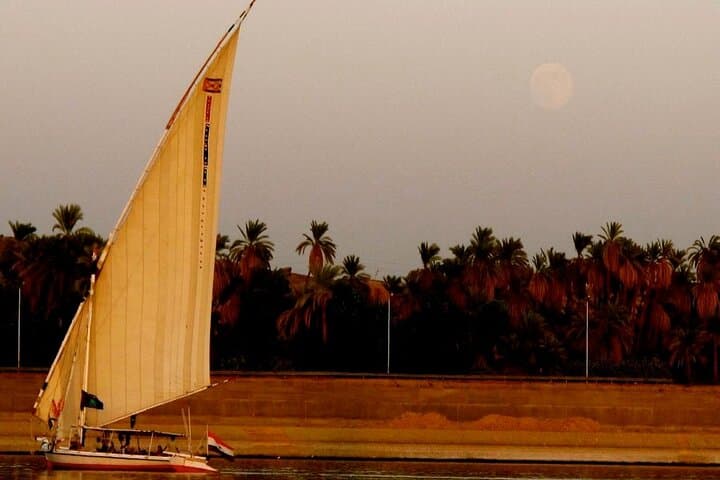
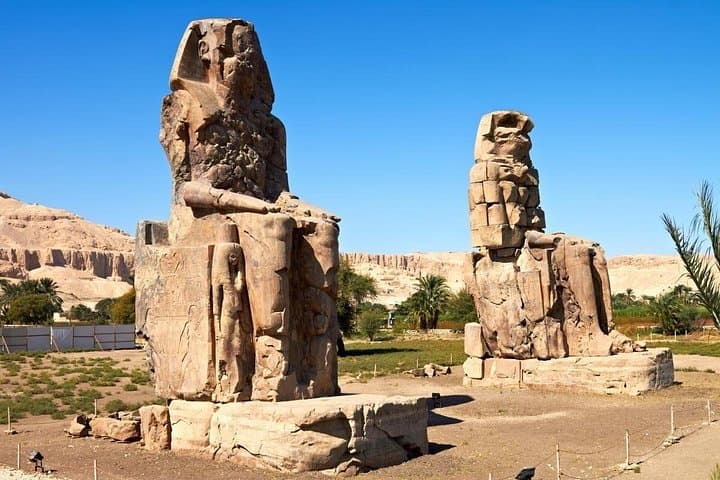
Dawn spills gold across the Nile as the cruise slips away from Luxor — a low breeze coming off the water, the ship's pool reflecting columns and palm silhouettes. You'll trade the steady road from Hurghada for slow river time: mornings on shore among stone colossi, afternoons on deck watching farmland and date palms slide by.
Verified experiences and guided adventures in the surrounding area.
Operated by Book Your Tours · Luxor, Luxor Governorate
Dawn spills gold across the Nile as the cruise slips away from Luxor — a low breeze coming off the water, the ship's pool reflecting columns and palm silhouettes. You'll trade the steady road from Hurghada for slow river time: mornings on shore among stone colossi, afternoons on deck watching farmland and date palms slide by.
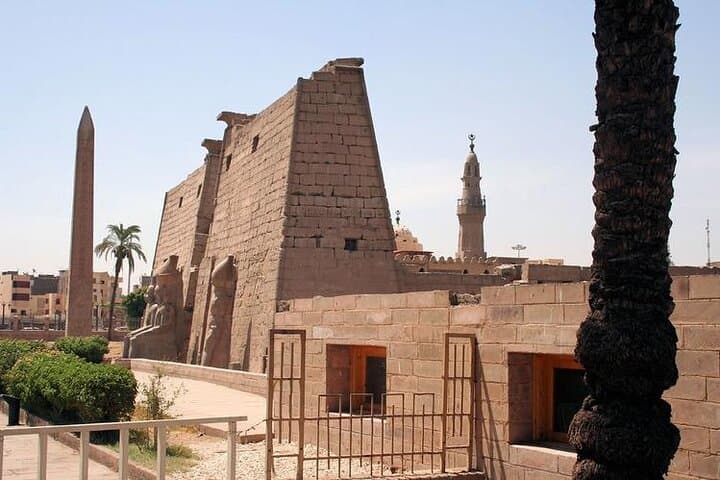
This route threads key chapters of ancient Egypt — Karnak's avenue of ram-headed sphinxes, the tomb-lined slopes of the Valley of the Kings, Hatshepsut's tiered mortuary temple, and the monumental twin temples of Abu Simbel relocated when Lake Nasser rose. Geologically the river has carved a narrow floodplain into limestone and sandstone, concentrating human settlement and the temples' quarried stone along its banks.
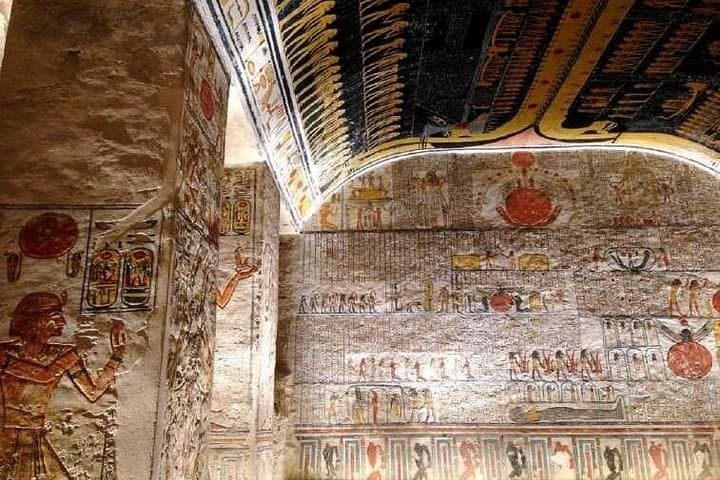
Local life mixes Nubian markets and the sleepy rhythm of feluccas; guides with Egyptology backgrounds interpret hieroglyphs and funerary rites rather than just supplying sound bites. Expect long early starts (Abu Simbel runs pre-dawn), warm to hot sun, and uneven temple floors.
Practical guidance: pack breathable, modest clothing for temple visits, a wide-brim hat, and sturdy closed shoes for walking on carved stone. Carry small bills for entrance fees, boat transfers, and tips; bottled water or a reliable refill system is essential. The included full board covers meals, but bring electrolyte tablets for long days in the sun. If you add the hot-air balloon, book early-morning slots and confirm weight limits. Finally, move deliberately through sites — photographing is allowed in many places but avoid touching reliefs and respect restricted areas to help preserve the stones that have stood here for millennia.
moderate.
5 days.
Moderate — suitable for travelers who can handle multiple long touring days, short hikes over ruins, and stairs in tombs
Pickup from Hurghada hotels and bus transfers to Luxor are included; expect a multi-hour drive in the morning before boarding.
A hot-air balloon ride is listed among inclusions/options but confirm booking specifics and any weight or age restrictions when reserving.
The itinerary notes visits to listed sites; verify with the operator which specific entrance fees and permits are covered in your booking.
The operator lists wheelchair accessibility for parts of the cruise, but many temple sites involve steps and uneven ground—check accessibility details and request assistance in advance.
The Nile corridor concentrated pharaonic power for millennia; many temples align with the river's east-west cosmology and were quarried from nearby sandstone and quartzite.
Tourism affects fragile stone and local water resources — follow site rules, avoid touching carvings, use refillable bottles, and hire licensed local guides to support sustainable stewardship.
Book Your Tours operates guided outdoor trips and adventures with an emphasis on safety, stewardship, and memorable experiences.
Dawn spills gold across the Nile as the cruise slips away from Luxor — a low breeze coming off the water, the ship's pool reflecting columns and palm silhouettes. You'll trade the steady road from Hurghada for slow river time: mornings on shore among stone colossi, afternoons on deck watching farmland and date palms slide by.
Dawn spills gold across the Nile as the cruise slips away from Luxor — a low breeze coming off the water, the ship's pool reflecting columns and palm silhouettes. You'll trade the steady road from Hurghada for slow river time: mornings on shore among stone colossi, afternoons on deck watching farmland and date palms slide by.
This route threads key chapters of ancient Egypt — Karnak's avenue of ram-headed sphinxes, the tomb-lined slopes of the Valley of the Kings, Hatshepsut's tiered mortuary temple, and the monumental twin temples of Abu Simbel relocated when Lake Nasser rose. Geologically the river has carved a narrow floodplain into limestone and sandstone, concentrating human settlement and the temples' quarried stone along its banks.
Local life mixes Nubian markets and the sleepy rhythm of feluccas; guides with Egyptology backgrounds interpret hieroglyphs and funerary rites rather than just supplying sound bites. Expect long early starts (Abu Simbel runs pre-dawn), warm to hot sun, and uneven temple floors.
Practical guidance: pack breathable, modest clothing for temple visits, a wide-brim hat, and sturdy closed shoes for walking on carved stone. Carry small bills for entrance fees, boat transfers, and tips; bottled water or a reliable refill system is essential. The included full board covers meals, but bring electrolyte tablets for long days in the sun. If you add the hot-air balloon, book early-morning slots and confirm weight limits. Finally, move deliberately through sites — photographing is allowed in many places but avoid touching reliefs and respect restricted areas to help preserve the stones that have stood here for millennia.